Sunday, April 24, 2022

3DPrint.com | The Voice of 3D Printing / Additive Manufacturing

3DPrint.com | The Voice of 3D Printing / Additive Manufacturing


3D Printing Webinar and Event Roundup: April 24, 2022

Posted: 24 Apr 2022 05:30 AM PDT

The last few weeks have been a little slow in terms of 3D printing webinars and events, but this week is more than making up for it! Topics run the gamut from lasers, SLA 3D printing, SOLIDWORKS, and 3D printed medical devices to quality assurance and inspection, developing alloys, 3D printing in the aerospace industry, 3D printed drill guides, and more. Read on for all the details!

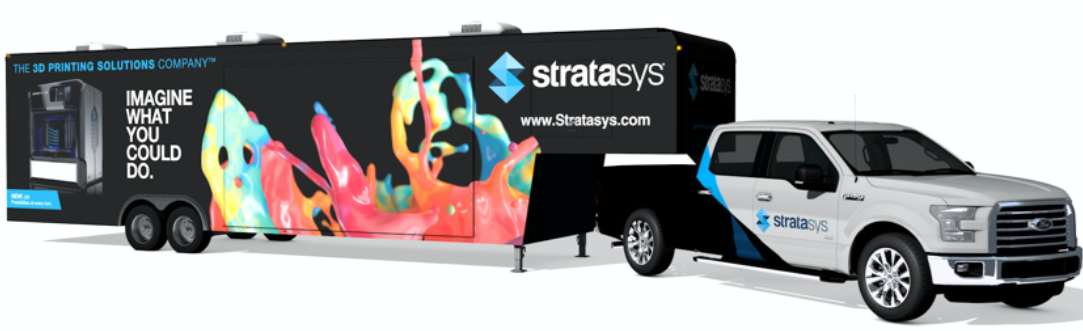
The Experience Stratasys Tour Continues

Stratasys continues its Experience Tour this week in California, with the Mobile Showroom first making a stop in San Diego on Monday, April 25th at Ballast Point Miramar, hosted by GoEngineer. On the 26th, GoEngineer is hosting again at the Carlsbad Brewery. The tour is back in San Diego on the 27th, with Purple Platypus hosting at Park Commons. Finally, on the 28th, the tour will come to the Purple Platypus office in Irvine.

"Our mobile showroom offers a local, convenient way for you to talk with 3D printing experts and see the latest 3D printers, materials and solutions from Stratasys. Learn about additive manufacturing services from Stratasys Direct and discover how your organization can benefit from 3D printing applications."

You can register for the Stratasys Experience Tour here. Stay tuned for more dates and locations in the future!

SOLIDWORKS CAM & CAMWorks Webinar Series

This week, HCL Technologies is holding a free webinar series on “SOLIDWORKS CAM and CAMWorks.” Attendees will have the chance to sharpen their CAM skills, as well as learn about more advanced features and functionalities that could be useful. The first session will be on Tuesday, April 26th, at 11 am EST, on “SOLIDWORKS® CAM and CAMWorks – Getting Started.” This training session will show attendees how to use SOLIDWORKS CAM Standard, and topics will include 2 ½ axis and 3 axis milling. The second class, “SOLIDWORKS® CAM and CAMWorks – Getting Started with the TechDB,” will be held later that same day at 2 pm EST.

On Thursday, April 28th, at 11 am EST, “Technologies to Reduce Machining Cycle Time and Increase Tool Life” will take place, with a focus on the technologies and toolpath generation that can help machine shops reduce machining cycle time and increase tool life. The final session, “SOLIDWORKS® CAM for Designers – A Path to Better Designs,” will be held at 2 pm EST on Thursday the 28th. Attendees will learn how SOLIDWORKS automation tools and SOLIDWORKS CAM can help automate and improve designs, reduce costs, and make parts easier to manufacture.

LASER World of Photonics 2022

From April 26-28 in Munich, Germany, the LASER World of Photonics 2022 will be held at Messe München. This is the leading trade fair for components, systems, and applications of photonics, and it will feature five tracks: BMBF-Network Quantum Computing, Forum World of QUANTUM, Laser systems for industrial production engineering, Forum Lasers and Optics, and Forum Biophotonics and Medical Applications/ Optical Metrology and Imaging. Nanoscribe, a BICO Company, will be exhibiting at the trade fair, along with ULT AG, which will present its latest solutions for air purification during laser processes.

“At LASER World of PHOTONICS 2022, our supporting program will offer an exciting and application-oriented program of presentations on the current areas of application for lasers and photonics. In addition, other program highlights such as the opening of LASER World of PHOTONICS together with the new World of QUANTUM, discussion rounds and award ceremonies will take place here.”

You can purchase tickets for the event here.

3D Systems: Increasing SLA Performance & Productivity

At 5 am EST (11 am CET) on the 26th, 3D Systems will hold its first webinar of the week, “Multiplying SLA Performance & Productivity for the Factory of Tomorrow.” David Leigh, the company’s Executive Vice President and Chief Technology Officer for Additive Manufacturing, will introduce attendees to the company’s new SLA 750 full workflow solution, which features automation compatibility, AI-based integration with factory floor equipment, and production-grade materials. The large SLA printer is said to offer improved cost efficiency, material performance, speed, and throughput for factory floor production, whether your needs are prototyping or production.

“Recognized over the years for its exceptional prototyping quality and part accuracy, SLA-based additive manufacturing is changing in a big way, with an automation-ready solution that offers up to twice the print speed and up to three times the throughput of existing SLA systems.”

You can register for the webinar here.

3D Printing with Materialise & Bath Hospital

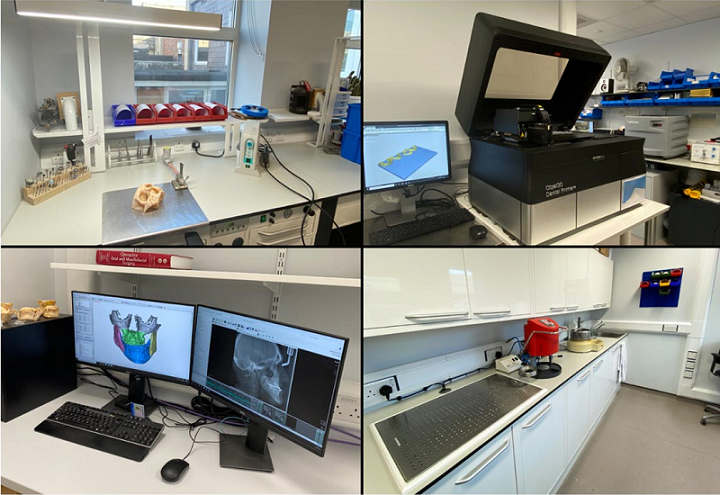
Materialise is holding a webinar with Bath Hospital at 9 am EST on the 26th, “3D Printing for All with the Royal United Hospitals Bath NHS Foundation Trust.” The hospital’s Chris Keating, Advanced Digital OMFS & Dental Technologist, and Andrew M Felstead, Consultant Oral & Maxillofacial Surgeon & OMFS Clinical Lead, will discuss how to successfully implement a 3D printing lab within a district hospital, introduce attendees to a live segmentation based on a CMF case, and more.

“A growing number of interventionists and surgeons are using 3D printing in their practice to prepare for procedures with more confidence. Did you know that this technology is not only used by renowned hospitals but can also be used in small district hospitals?”

You can register for the webinar here.

Using a High-Temperature ESD-Safe Photopolymer with Fortify

While Electrostatic Discharge seems fairly mild to most of us, engineers have to worry about it a lot more. Just one static discharge can ignite flammable vapors or ruin a whole PCB, and buildup of static can mess up powder handling applications. That’s why Fortify developed what it says is the AM industry’s first High-Temperature ESD-safe photopolymer. To learn more about the ESD space and Fortify’s ESD-HT material, join their “When and Why to use a 3D Printable High Temperature ESD Safe Photopolymer” webinar at 11 am EST on Tuesday, April 26th.

“Here at Fortify, we have many of these same fears which have led us to develop the industry’s first High-Temperature ESD-safe photopolymer. Able to withstand temperatures of up to 284C, the ESD-HT resin is uniquely positioned to be a "one-stop shop" for all static dissipative needs. From basic jigs and fixtures to customized reflow pallets and everything in between, Fortify's ESD-HT can deliver safe static dissipation. In this upcoming webinar, we will talk about all things at the intersection of additive and ESD. Items like materials development, why ESD-safe materials are extremely important, and when to use them.”

You can register for the webinar here.

Markforged & Hangar One Avionics Talk Strong Parts

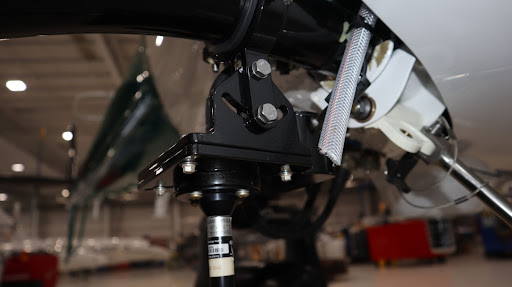
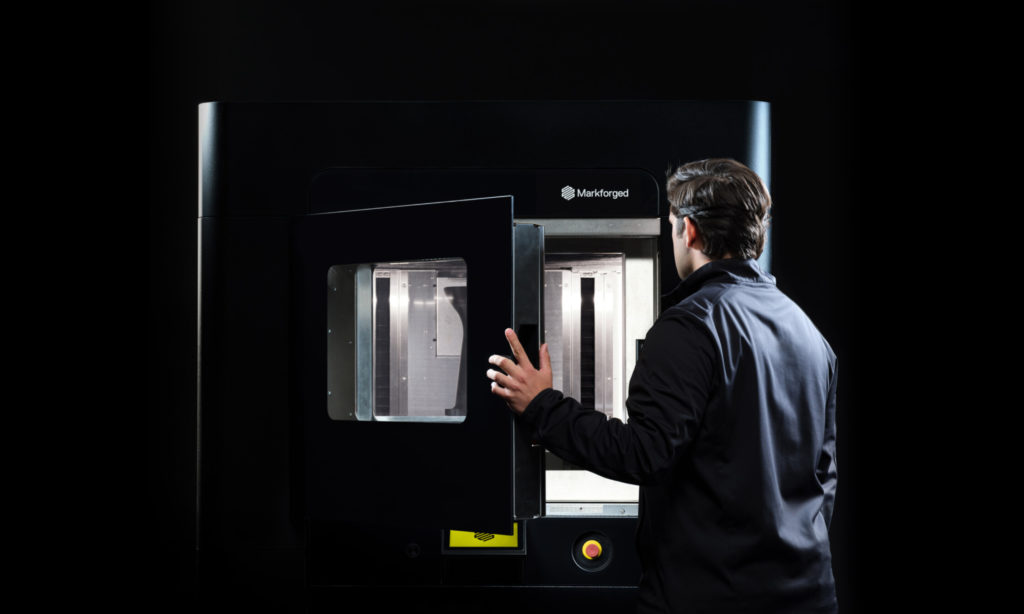
Also at 11 am EST on the 26th, Markforged will join San Diego-based avionics, maintenance, repair and installation services provider Hangar One Avionics for “Onward and Upward: Strong Parts Take Off With Help from CFR and Blacksmith at Hangar One Avionics.” Matthew Roth, Head of Machining for Hangar One Avionics, will discuss why the company relies on Markforged technology to print lightweight, strong, fiber-reinforced parts for aerospace application. Joining him for the live demonstration, discussion, and Q&A session will be Markforged team members Charles Lu and Mark Levitt, Product Marketing Managers, and Chloe McGuffin, Strategic Application Engineering.

“Additive manufacturing produces strong lightweight 3D printed parts for use on land, sea and in the air.”

You can register for the webinar here.

HP Offering Virtual Tour

Later in the day on the 26th, at 12 pm EST, HP will hold a live, virtual tour of its 3D Printing Demo Center. Attendees will learn how HP’s 3D printing technology works, see an overview of the 3D printing E2E workflow and a 3D printing applications showcase, and more. Speakers will be HP’s Carolina Rubio, 3D Printing Customer Program Manager, and Wes Kramer, Application Engineer, along with Eric Folsom, Director of Technology for HILOS. The company recently competed against 45 startup finalists from around the world in the SXSW Pitch competition, and won the World Innovative Technologies category and Best in Show. During the webinar, Folsom will discuss the unique application of AM for shoe manufacturing.

“Learn about HP Multi Jet Fusion Technology and how the HP 3D Printing End-to-End Process works, from file preparation to post-processing.”

You can register for the tour here.

Designing Medical Devices for AM

Also on the 26th, at 2 pm EST, HP is sponsoring a webinar on “Designing Medical Devices for Additive Manufacturing.” Topics covered will include how to identify which parts can be 3D printed, tips and tricks for getting started, design and functionality capabilities only possible with 3D printing, how to modify an existing design to get a more cost-effective and efficient part, and more. Speakers will be David Johnson, HP Application Engineer; Drew Baggen, Sales & Marketing Manger, Avid Product Development; Pete Temple, Operations Manager, E.I. Medical Imaging; and Tom Salemi, Editorial Director, DeviceTalks, WTWH Media LLC.

“The medical device industry has always pushed the boundaries and innovated beyond expectations. Now, with 3D printing, you can take it a step further and unlock brand new design potential like never before and get to market faster. Join us as we share how to get started with designing for 3D printed medical devices and how you can reimagine designing and producing end-use parts.”

You can register for the webinar here.

QA & Inspection for AM

America Makes, Castheon Inc., and ASTM International‘s AM Center of Excellence (AMCOE) will hold a virtual certificate course, “Intro to Quality Assurance and Inspection for AM,” from 10 am to 3 pm EST, April 27-28. Meant for individuals looking to increase their basic experience in QA and inspection, or those experienced with other manufacturing technologies and wanting to learn how AM is different, this course includes a Certificate of Attendance given by ASTM International. Instructors will be Shane Collins, a senior associate consultant at ASTM International; Castheon founder Dr. Youping Gao; Steve James, who has over 40 years' experience in aerospace nondestructive testing; and Dr. Martin White, the Head of Additive Manufacturing Programs – Europe Region at ASTM International.

“The Intro to Quality Assurance and Inspection for Additive Manufacturing (AM) course will provide attendees with a strong baseline knowledge of what Quality Assurance means for AM, and what inspection methods can be applied to the process. There is a practical aspect to the course, using the America Makes Educational Sample (AMES) which contains examples of flaws that can potentially be found in AM products.”

You can register for the course here.

3D Printing Aluminum with 3D Systems & Elementum 3D

3D Systems will hold its second webinar of the week, together with Elementum 3D, at 11 am EST on Wednesday, April 27th. “Bridging the Gap Between 3D Printing & Aluminum” will focus on why aluminum is now one of the most desired metals for AM, how engineers are applying its properties to real-world 3D printed applications, and what materials development advances have made it possible to print high-strength aluminum alloys using laser powder bed fusion (LPBF) technology. The expert speakers are Dustin Crouse, Senior Application Development Engineer with 3D Systems’ Application Innovation Group; Dr. Jeremy Iten, Materials Scientist & CTO, Elementum 3D; Dr. Chloe Johnson, Elementum 3D Materials Engineer; and Aaron Schmitz, 3D Systems Process & Validation Engineer.

“Technical experts from 3D Systems and Elementum 3D will share exciting new applications and explain how high-strength aluminum alloys and reliable AM processes are meeting the requirements of industry today. An interactive Q&A session will follow.

“Expect to walk away with valuable insights into the capabilities of high-strength aluminum alloys for AM in critical industrial applications.”

You can register for the webinar here.

Manufacturing a Sustainable Future with 3DEO

3DEO continues its Webinar Series with “Manufacturing a Sustainable Future” at 1 pm EST on the 27th. With a subhead of “The Promise of Production 3D Printing,” the webinar will focus on how sustainability applies to subtractive and additive manufacturing, as well as the increased relevance of sustainable manufacturing in today’s climate.

“3DEO President, Matt Sand, will be leading the discussion on sustainability in manufacturing and its increased relevance in today’s climate.”

You can register for the webinar here.

ASME on Accelerating AM Alloy Development

At 2 pm EST on Wednesday the 27th, the latest webinar in the ASME series, “Accelerating Alloy Development for AM,” will take place. Presenter Jeff Williams, the CEO and Co-Founder of Exum Instruments, will discuss how a better understanding of material chemistry at the micron level can help speed up the AM process and its applications. Topics will include how first adopters are using mass spectrometry to develop improved metals for AM, new alloys you can expect when using a manufacturing floor mass spectrometer, and more.

“Now you can analyze your powder on the manufacturing floor with mass spectrometry. Deploying a mass spectrometer on the manufacturing floor takes powder assessment beyond R&D. The ability to analyze materials during production supports quality assurance and can enable reverse engineering of your alloy. By understanding material chemistry at the resolution of printing, the additive manufacturing process and application can be accelerated.”

You can register for the webinar here.

AM Transforming Aeronautical & Space Industries

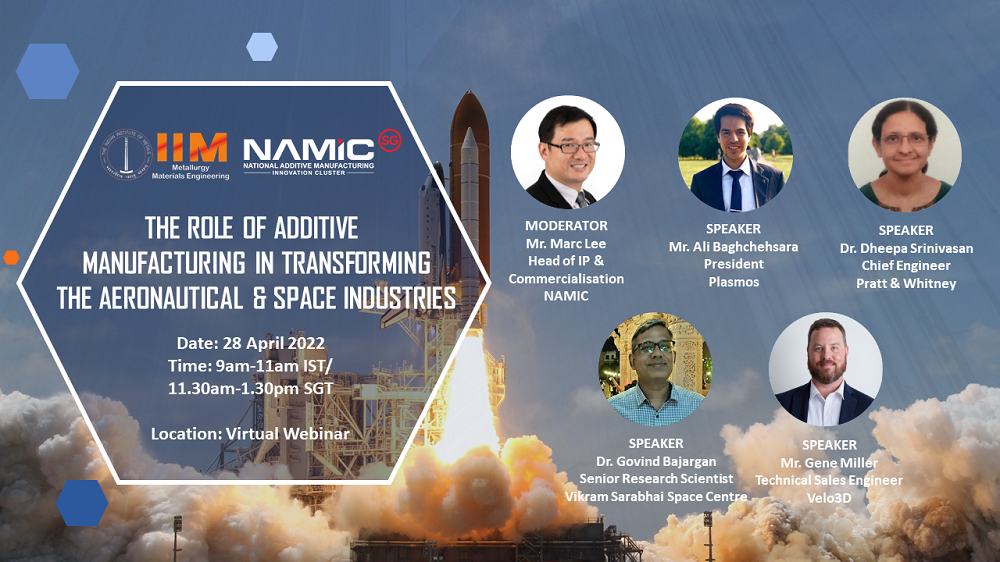
NAMIC Singapore and the Indian Institute of Metals are holding a free webinar on “The Role of Additive Manufacturing in Transforming the Aeronautical & Space Industries” at 11:30 pm EST on the 27th, which is 11:30 am SGT on the 28th. Marc Lee, Head of IP & Commercialisation for NAMIC, will moderate the event, featuring topics like the role of 3D printing in advanced space propulsion, successfully qualified AM applications for gas turbines, and more. Speakers will be Ali Baghchehsara, the President of Plasmos; Dr. Dheepa Srinivasan, Chief Engineer at Pratt & Whitney; Dr. Govind Bajargan, Senior Research Scientist, Vikram Sarabhai Space Centre; and Gene Miller, Velo3D Technical Sales Engineer.

“In recent years, we have witnessed disruption in the space industry brought about new technologies including non-traditional hybrid propulsion engines and 3D printed rockets. Meanwhile, the aviation industry has seen an increasing number of qualifications for 3D printed materials and components.

“With growth in these industries, this webinar will see 3D printing experts coming together to dive into the transformative role of additive manufacturing in Aerospace including benefits, successful use cases with increasing adoption in critical aerospace components, and addressing challenges faced in adopting the technology.”

You can register for the webinar here.

Mass Personalization Summit by Materialise

Materialise is holding a free “Mass Personalization Summit” starting at 9 am EST on Thursday, April 28th. The summit will feature discussions on the five key drivers of mass personalization: predictive planning, personalization at the point of care, scalable and cost-effective operations, regulation and health economics, and the next generation of 3D printed medical devices. Speakers are Masha Dumanis, Senior Director, Health Advances; Pras Pathmanathan, Senior Research Scientist, FDA; Rajit Kamal, Worldwide President, Sports Medicine and Shoulder Reconstruction, DePuy Synthes; René van Dormolen, Mixed Reality Lead, Microsoft HoloLens; Saravana Kumar, CEO, 4C Medical; Mohit Chhaya, Co-Founder & CEO, BellaSeno; and Mickey Librus, Synergy3DMed.

“One size fits no one. That's why mass personalization is crucial to ensure predictable and efficient patient care.

“Join other medical device industry leaders during our virtual event to discuss how together we can make personalization scalable for a more sustainable future in healthcare.”

You can register for the summit here.

Metal 3D Printing Live with Cimquest

A few weeks ago, Cimquest finished its four-part webinar series on the World of Metal 3D Printing. This Thursday the 28th, from 9 am to 5 pm EST, “The Acceleration of Metal 3D Printing at Cimquest Headquarters” will be held live in Branchburg, New Jersey to complete the series. AM technologies from Desktop Metal, Xact Metal, Formlabs, HP, Ultimaker, MakerBot, XYZprinting, and 3DGence will be on display, and FreeFORM co-founder Nate Higgins will share his journey in developing a path for a concept, all the way from prototyping to mass commercialization. The event is free, but registration is required.

“Metal Additive Manufacturing has become the hottest growth engine in the 3D printing Space. Come and visit our 20,000 square foot facility in New Jersey. Attendees will be able to tour our new Metal 3D Printing showroom, interact with parts, and participate in the live panel discussion.”

You can register for the informational in-person event here. The last one will be held at ABCorp in Boston on May 4th.

Roboze ARGO 500 Experience

At 11 am EST on the 28th, Roboze will hold the “ARGO 500 Experience,” a webinar all about its industrial-scale ARGO 500 system. The printer features a beltless system, automatic X axis calibration, a heated chamber, vacuum system, self-leveling, a print log system, and more. During the webinar, Roboze experts Giancarlo Scianatico, EMEA Business Development Director, and Enea Sacco, Application Engineer & Customer Success, will guide attendees through an interactive path so they can get to know the ARGO 500 and all its features.

“Designed to produce finished parts using the highest performing super polymers and composites of the entire sector, ARGO 500 is an advanced additive manufacturing system developed to streamline and make production processes flexible, with a reduction of time and costs up to 90% compared to traditional methods.”

You can register for the webinar here.

3D Printing & Electric Vehicles

The last webinar HP is sponsoring, “Innovation in the Electric Vehicle Ecosystem with Polymer Additive Manufacturing,” will be at 11:30 am EST on the 28th. Attendees will learn about the EV Ecosystem, how AM can accelerate product cycles in EVs, opportunities with polymers for EV component optimization, post-processing options to enhance part functionality and surface quality, sustainability in polymer AM, and more. The speakers are HP’s Aaron DeLong, Solutions Architect, and Wes Kramer, 3D Application Engineer, and WTWH Media’s Aimee Kalnoskas, Senior Editor at EE World Online.

“Major automakers are focusing on electric vehicle (EV) production as they incorporate selling only zero-emission vehicles in their future plans. In parallel, EVs have grown in popularity with recent research predicting explosive global growth in EV demand.”

You can register for the webinar here.

Stratasys & 3D Printed Drill Guides

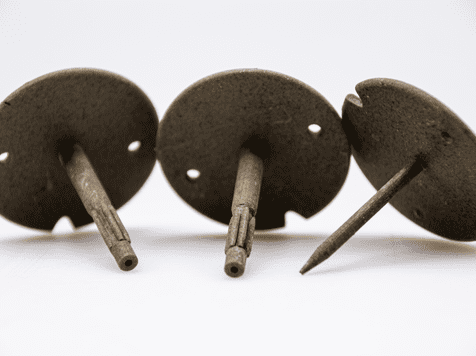
At 12 pm EST on Thursday the 28th, Stratasys will hold a webinar on “How to Meet Production Schedules While Reducing Cost With 3D Printed Drill Guides.” Speakers Patrick Price, Sr. Applications Engineer at Stratasys, and Ruslan Pshichenko, Manufacturing Engineer at Boom Supersonic, will discuss why you should consider 3D printing as a way to manufacture drill guides. Price will talk about designing drill guides and material property considerations, while Pshichenko will focus on why the company chose 3D printing to fabricate over 700 drill guides for its XB-1 supersonic demonstrator.

“Explore why 3d printing should be considered when manufacturing drill guides.”

You can register for the webinar here.

SprintRay Showcasing Solutions in Arizona & Louisiana

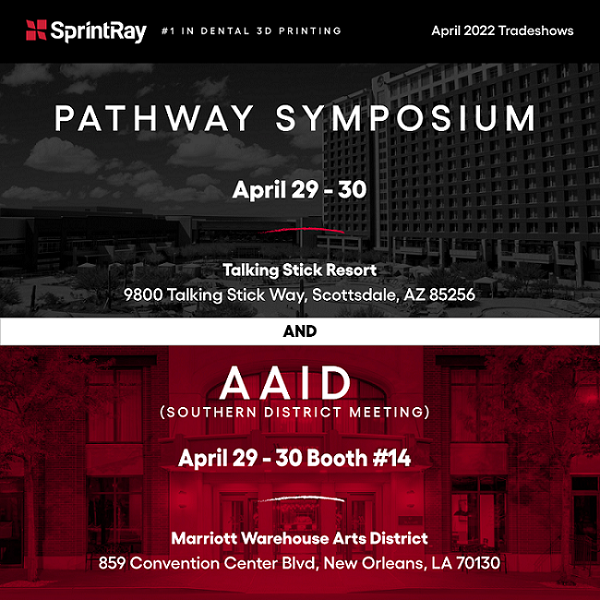
Finally, SprintRay will bring its professional dental 3D printing solutions on the road this week! From April 29-30, the company is heading to Pathway Symposium at the Talking Stick Resort in Scottsdale, Arizona, and also to the Southern District Meeting of American Academy of Implant Dentistry (AAID) in the Marriot Warehouse Arts District of New Orleans, Louisiana.

“Learn what you need to know to start 3D printing in-office with the fastest 3D printing workflow by SprintRay.”

Do you have news to share about any future webinars or virtual and live events? Please let us know!

The post 3D Printing Webinar and Event Roundup: April 24, 2022 appeared first on 3DPrint.com | The Voice of 3D Printing / Additive Manufacturing.

3D Printing News Briefs, April 23, 2022: Business, Bioprinting, & More

Posted: 23 Apr 2022 05:30 AM PDT

We’re starting with plenty of business in today’s 3D Printing News Briefs, as Xaar, AddUp, and Sigma Labs all have new executives to announce. Moving on, polySpectra is offering a free massless prototyping tool for 3D printing users. We’ll finish with bioprinting, as the VA Ventures project is working on 3D printed living bone replacements, and researchers at the University of Illinois Chicago are bioprinting tissue-like constructs that can change shape in a controlled fashion.

Xaar Names Chief Operating Officer

First up, inkjet printing technology group Xaar has appointed one of its own as the company’s new Chief Operating Officer. Graham Tweedale joined Xaar as a technician on the R&D team back in 1997, helping to develop the company’s first generation of inkjet printhead products. He worked at Xaar’s first manufacturing facility in Sweden for five years, opened the Huntingdon factory in the UK in 2007, and has held several other senior management positions, leading many product launches and business-critical programs. Tweedale was most recently General Manager for the Printhead Business, and helped launch the company’s ImagineX platform. As COO, he will now report to John Mills, the CEO of Xaar.

“I am proud and excited to have been appointed as Xaar's COO, especially at such an important point in the evolution of inkjet technology. The extraordinary speed of innovation I have seen in the first 25 years at Xaar, looks set to be matched and even surpassed in the next 25,” Tweedale said.

“Our creativity, passion and collaborative development with clients will ensure Xaar plays a leading role in unleashing the power of inkjet.”

AddUp Appoints CEO of North America

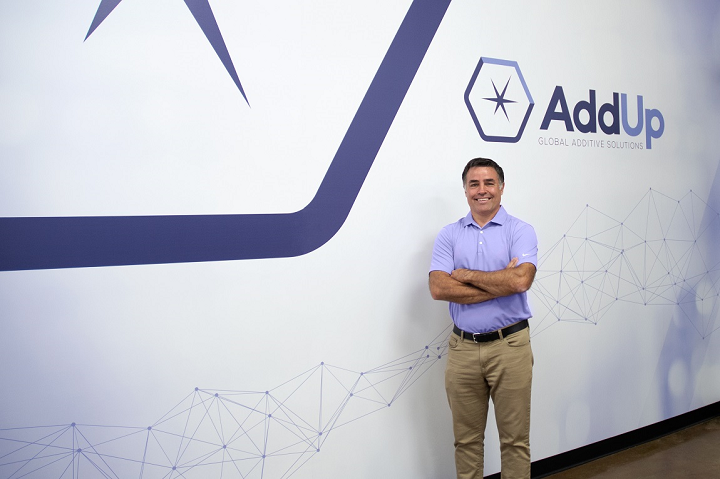
Metal additive manufacturing OEM and PBF/DED technology service provider AddUp, a joint venture created by Michelin and Fives, has named former Jabil executive Rush LaSelle the CEO of AddUp Inc., the group’s North American subsidiary. LaSelle has more than 25 years worth of experience with advanced manufacturing systems, with leadership roles in companies including Adept Technology, Fanuc, and Jabil. AddUp Inc. recently renovated its 20,000 sq. ft. facility in Cincinnati, Ohio, adding a dedicated AM workspace, applications training facility, metallurgical lab, post-process machining department, and more. LaSelle will help facilitate the growth of AddUp—headquartered in France—in North America, and help its clients meet their objectives by using the company’s array of metal additive manufacturing solutions.

“AddUp's commitment to safer, cleaner and more efficient manufacturing provides a foundation from which its customers can achieve the promise of digital manufacturing. By delivering positive manufacturing outcomes using factory proven systems, AddUp is positioned to assist OEMs, especially those in regulated markets, to participate in the billion-dollar metal additive manufacturing industry,” LaSelle said. “I am tremendously honored to join such a passionate team of professionals who are dedicated to the success of our customers.”

Sigma Labs Promotes COO to CEO

Finally, mere months after promoting Jacob Brunsberg to President and Chief Operating Officer, quality monitoring software developer Sigma Labs (NASDAQ: SGLB) announced that Brunsberg is now the company’s new CEO, effective April 1st. He was previously a P&L leader for GE's Binder Jet Technology unit, and joined Sigma Labs as Senior Vice President in September of 2021. In this role, he was responsible for product direction, sales, marketing and engineering, and strategic relationships, and has continued to strengthen the company’s IPQA product development and commercialization programs. As CEO, Brunsberg will help the company’s business model evolution continue to accelerate to enable distribution at scale. Sigma Labs’ current CEO, Mark Ruport, will transition to Chairman of the Board of Directors, replacing John Rice, who will continue in his role as a Director.

“Mark's tenure and achievements as CEO positioned the company with first mover advantage supported by a strong financial foundation which positions us to deliver on our goals. He and the team have built a company with a portfolio of customers that are the leading 3D metal AM organizations in the world and led our transition to a business model focused on their success, recurring revenue, and profitability,” Brunsberg said about Ruport. “I am thrilled to lead Sigma Labs into its next exciting phase as I believe its aggressive shift to software only for OEMs will allow us to continue to scale and accelerate the adoption of AM by setting the standard for In-situ Quality Monitoring and Analytics. I look forward to working with Sigma Labs' executive team in driving growth for the company and building long-term-shareholder value.”

polySpectra Introduces Free Augmented Reality Prototyping Tool

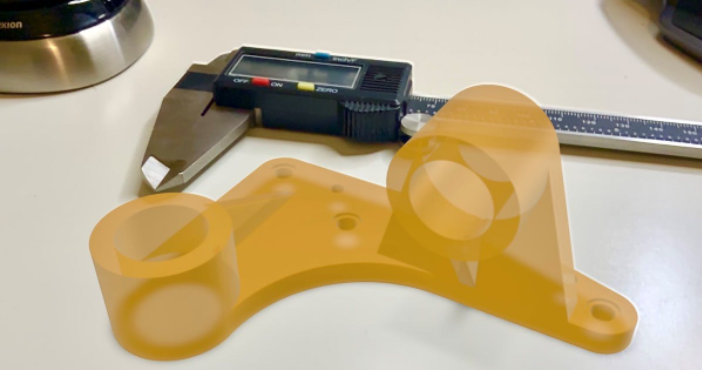
Advanced materials company polySpectra recently introduced a new tool, called polySpectra AR, which offers free massless prototyping for engineers and designers. The tool provides an in-browser augmented reality (AR) preview of users’ .STL files, without having to sign up or download an app. The polySpectra AR tool can be launched from the native browser of most Android and iOS mobile devices and tablets, and a unique QR code can be used to move .STL files on a desktop machine so they can be viewed on a mobile device or tablet. Once the file has been loaded, the user can select the color of the component for their AR preview, and share the results with a unique link. The virtual design iterations enabled by the tool should help designers and engineers speed up their workflows. In addition, polySpectra AR is part of the company’s larger massless mission to use distributed digital manufacturing to reduce global energy usage by 25% by 2050.

“Save your money for when you are sure that you want to make it real. polySpectra AR is completely free,” polySpectra wrote on its website. “Your .STL files are processed privately on your local device and only stored on our encrypted server if you choose to save them or share with others. We can’t wait to see the use cases that you will come up with!”

Living 3D Printed Bone Replacements by VA Ventures

Living BioBone grafts (image: VA Ventures)

On to research, as the VA Ventures project from the Department of Veterans Affairs is working on getting 3D printed bone replacements to VA hospitals as part of the BioBone grafts project. The goal is to enable the onsite 3D printing of artificial bone grafts at VA clinics, in order to use a patient’s own blood cells and decrease the waiting time as well. VA Ventures partnered with Advanced Solutions Life Sciences to use its BioAssembly Bot for 3D printing structures from patients’ cells that can then be vascularized into living bone; this would mean less time in the operating room, which is always good. According to Dr. Beth Ripley, the VA Director of VA Ventures, these 3D bioprinted grafts should be available in VA clinics in the next three to five years, in order to help veterans in need of reconstructive surgery.

“While we are still working on our 3D printed bone tissue recipe, results have been extremely promising,” Dr. Ripley stated. “Now, we are focused on how to accelerate the time it takes to grow the bone, ensure vascularization to support successful implantation and optimize our rigorous quality checks so we are able to bring the recipe successfully through the regulatory process.”

Tissue-Like Constructs Able To Make Controlled Shape Change
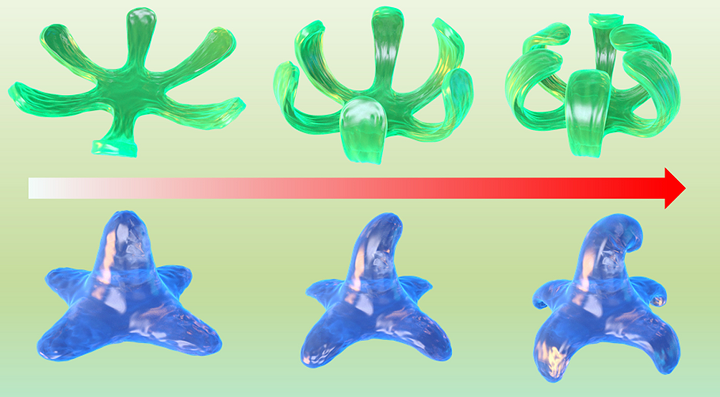
Bioprinted cell-rich bioconstructs showing controlled, complex 4D shape transformations. (Image: Eben Alsberg and Aixiang Ding)

Finally, a team from the University of Illinois Chicago published a study on the new cell-laden bioink they created, which can bioprint 4D tissue-like constructs able to make controlled, complex shape changes under certain physiological conditions. By adding this fourth dimension of shape transformation over time to 3D bioprinted biological parts and tissues, printed constructs can morph several times in either an on-demand or pre-programmed way in response to external signals. Then, they can better mimic the body’s natural development processes, and be more useful in tissue morphogenesis studies. The bioink is made up of tightly packed, flake-shaped living cells and microgels, and the team conducted multiple experiments of prototype hydrogels, which resulted in complex bioconstructs with high cell viability and well-defined configurations.

“The bioinks have what are called shear-thinning and rapid self-healing properties that enable smooth extrusion-based printing with high resolution and high fidelity without a supporting bath. The printed bioconstructs, after further stabilization by light-based crosslinking, remain intact while, for example, bending, twisting or undergoing any number of multiple deformations,” explained study corresponding author Eben Alsberg, Richard and Loan Hill Chair, who has appointments in the departments of biomedical engineering, mechanical and industrial engineering, pharmacology and regenerative medicine, and orthopaedics. “With this system, cartilage-like tissues with complex shapes that evolve over time could be bioengineered. Another key achievement was engineering a system that enables fabrication of bioconstructs capable of undergoing complicated 3D-to-3D shape transformations.”

The post 3D Printing News Briefs, April 23, 2022: Business, Bioprinting, & More appeared first on 3DPrint.com | The Voice of 3D Printing / Additive Manufacturing.

3D Universe

3D Universe


Metal 3D Printing with BASF Ultrafuse® 316L

Posted: 21 Apr 2022 10:24 AM PDT

BASF Ultrafuse® 316L is an innovative filament to produce 316L grade stainless steel parts from existing FDM desktop 3D printers. It is designed for ultimate ease of handling on conventional Fused Filament Fabrication (FFF) 3D [...]

The post Metal 3D Printing with BASF Ultrafuse® 316L appeared first on 3D Universe.

Friday, April 22, 2022

3DPrint.com | The Voice of 3D Printing / Additive Manufacturing

3DPrint.com | The Voice of 3D Printing / Additive Manufacturing


World’s Largest Concrete 3D Printing Facility Opened by GE Renewable Energy

Posted: 22 Apr 2022 06:30 AM PDT

The more that the renewable energy and additive manufacturing (AM) sectors evolve, the clearer it becomes how much the two industries have to offer one another. So far, this has mostly been true regarding wind turbines. Nonetheless, the wind industry's steadily increasing success with AM techniques could, soon enough, lead other renewable sectors to explore more seriously the possibility of adopting AM, as well.

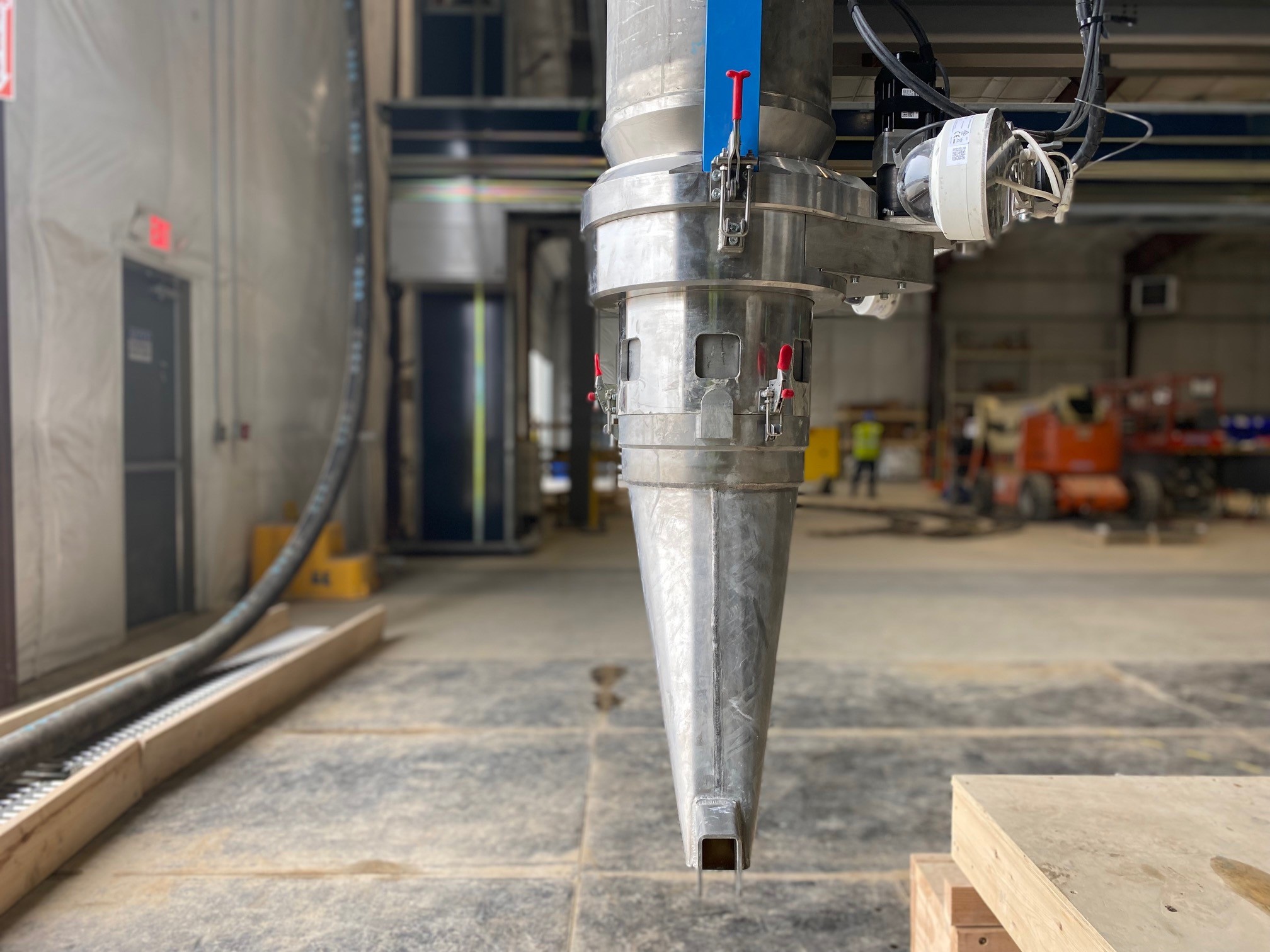
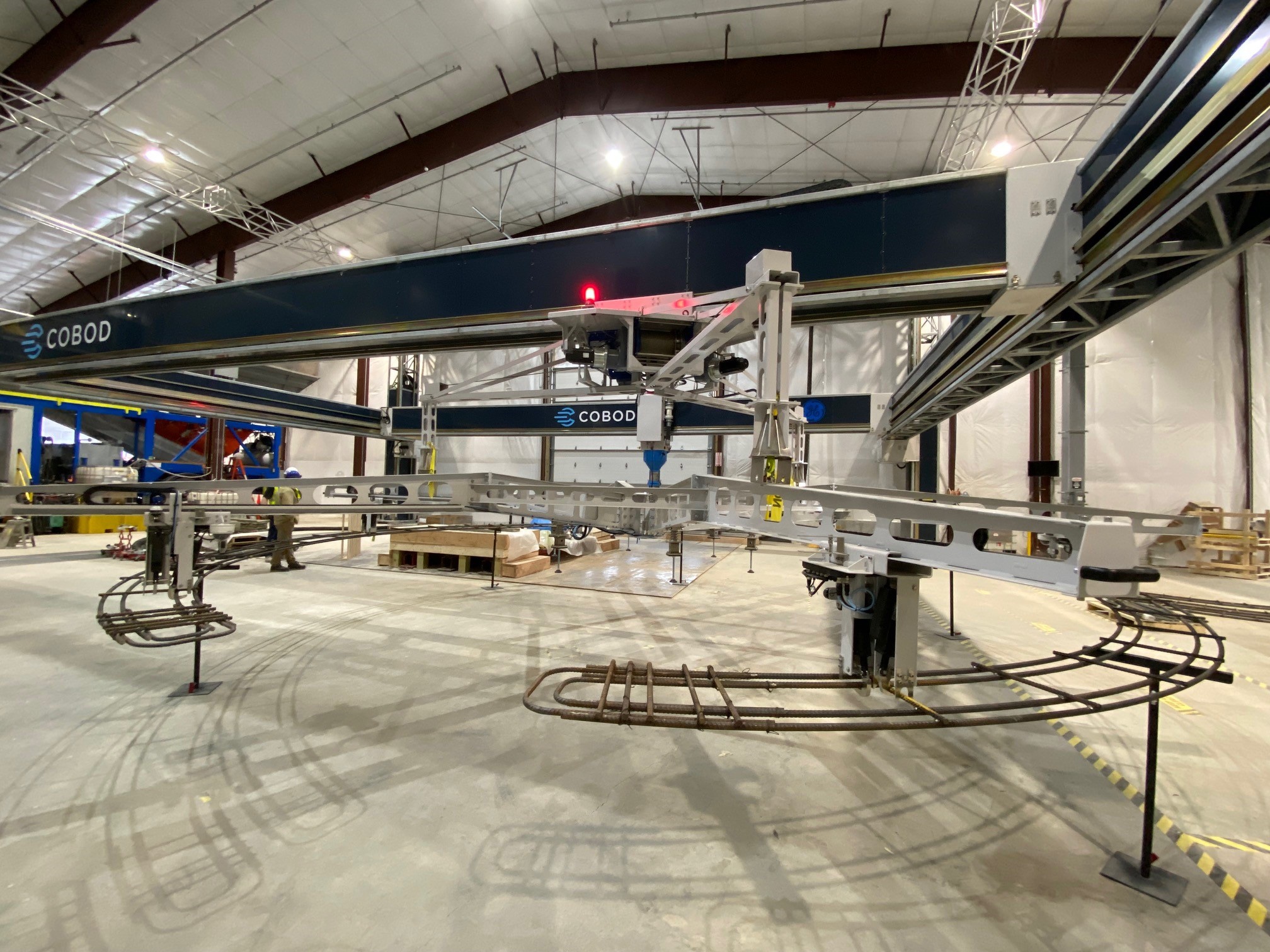
The latest example of companies leveraging AM for wind-power supply primarily involves three firms — GE Renewable, COBOD International, and Holcim — that have already been working together in this area for several years. The present project takes the collaboration to even greater heights: GE's now-operational concrete 3D-printing R&D facility in Bergen, NY, the world’s largest such site. Most notably, the research center is powered by entirely new hardware from COBOD, perhaps the world's most significant additive construction (AC) company.

Image courtesy of GE Renewable Energy

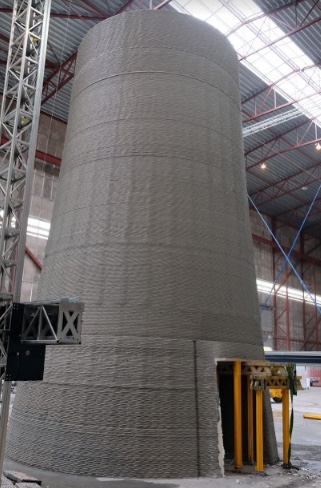
COBOD's latest printing system, designed specifically for GE's research facility, is the size of a three story building, and can print concrete sections up to 60 feet high. The system achieves its hourly output rate of over 10 tons of concrete in part due to its having two X-axes — the only concrete 3D-printer in the world with this feature. As such, COBOD's founder and general manager, Henrik Lund-Nielsen, argues, "…the printer can better be described as a multifunctional construction robot than a printer."

Image courtesy of GE Renewable Energy
Previously, in 2019 and 2020, GE Renewable, COBOD, and Holcim worked together on a similar project to print concrete bases for wind turbines. That the current, follow-up phase of the project will also be focused on printing bases for wind turbines indicates the success of the initial phase. In addition, when the project was originally being reported on, back in the summer of 2020, the companies involved were already mentioning plans to collaborate on the COBOD system currently being rolled out. This suggests that we can take as a fairly useful rough estimate, the timeline of five years which GE projects it will take for the R&D center's work to lead to turbine bases that are operating in the field.

Image courtesy of COBOD.

Most nations appear to have set an initial target of 2030 for reaching the first big threshold of carbon emission reductions, on the way to (what still seems an almost impossibly ambitious) target of net-zero carbon emissions. If GE Renewable is planning on the R&D project paying real-world dividends by about 2027, this is yet another recent sign that bodes well for AM techniques making a major contribution to the next generation of wind-power.

Finally, this entire collaboration is a highly illuminating window into what is, for better or worse, the current state of the renewable energy sector. Aside from the three companies already mentioned, at least two other, more local companies are involved. So is the U.S. Department of Energy, which partially funded the project with a grant. The number of interests necessarily involved in a project of this magnitude illustrates how complex the economic conditions are in the business environment of the renewables sector. On the other hand, a business environment finally does seem to exist, which can realistically get a project like this off the ground. This hints that the idea of a new generation of renewable energy infrastructure may no longer be the mere pipe dream that it once was.

The post World's Largest Concrete 3D Printing Facility Opened by GE Renewable Energy appeared first on 3DPrint.com | The Voice of 3D Printing / Additive Manufacturing.
7 3D Printed Veggie Meats Rebuilding the Meat Industry

Posted: 22 Apr 2022 06:00 AM PDT

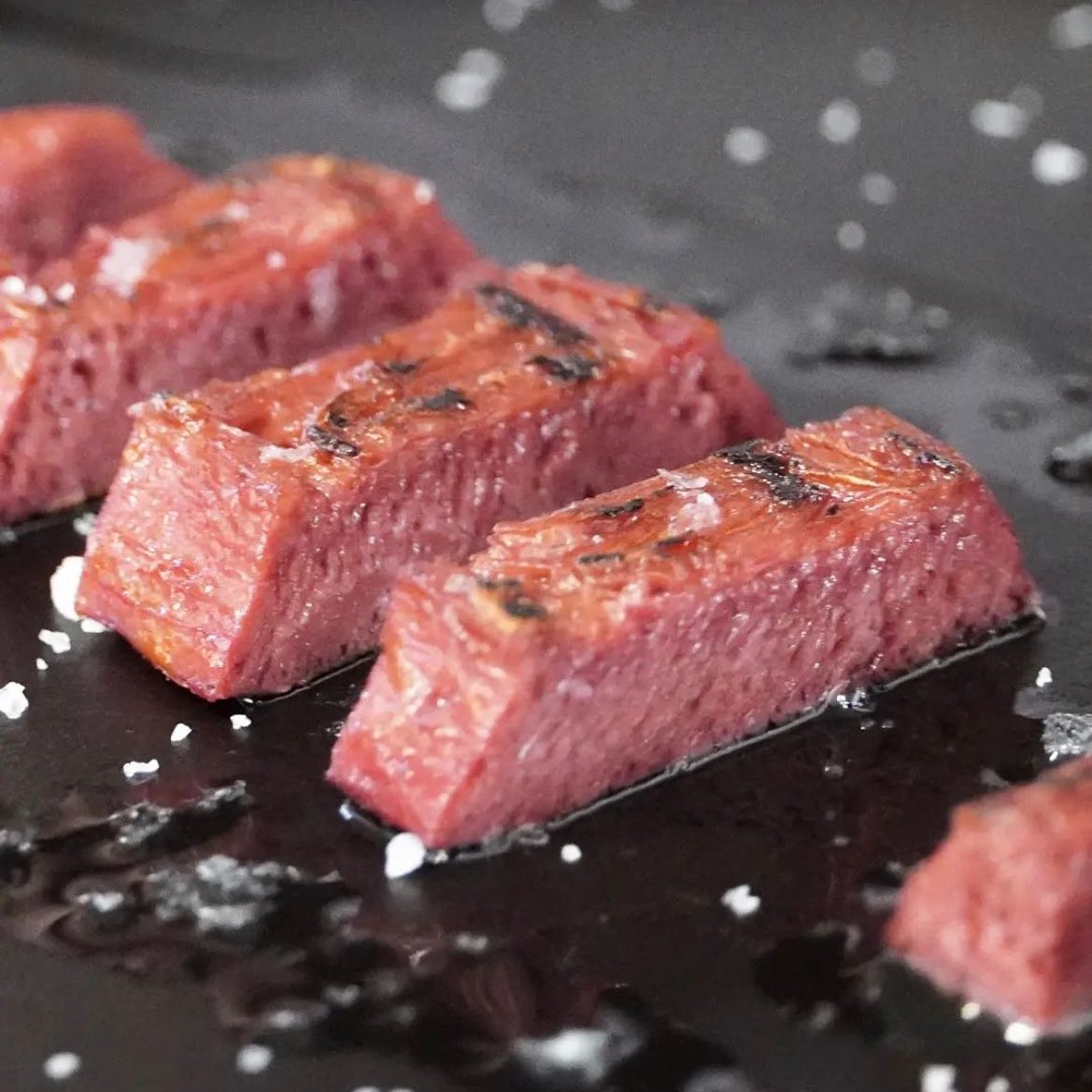
What makes a great meat substitute? Is it the perfect marriage of taste and texture, or the smell and juiciness that reminds people of the original deal? As subjective as that answer may be, one thing is for sure, the need for meat alternatives is pressing, and startups are getting better at recreating original meaty flavors with vegetarian or vegan ingredients thanks to 3D printing.

Not only are red and processed meats associated with health conditions, like heart disease, diabetes, and several types of cancer, but replacing them with other options, mainly plant-based, can avoid harming the environment.

Worldwide, meat consumption requires 30 million square kilometers of land to produce. That's roughly three times the size of Europe and close to 26 percent of the earth’s terrestrial surface used for livestock grazing. Instead, plant-based meat uses 41% less land than fish farming, 77% less land than poultry, 82% less land than pig farming, 89% less than beef from dairy cows, and a whopping 98% less land than beef from beef herds. That is heavily convincing evidence that meat alternatives are a more efficient use of resources.

Successful startups like Impossible Foods and Beyond Burger have prioritized plant-based meats designed to look, cook, and satisfy like beef, spearheading a market that could grow to $23.4 billion by 2024. But newer startups are not just relying on other ingredients to recreate meat or traditional food fabrication. They are also driving the change with 3D printing and bioprinting technologies.

Evidently, the quest to automate and industrialize the process of 3D printing alternative meats is turning into the next evolution in this market. Here, we break down the seven trendsetters that could become the next heavy hitters in 3D printed plant-based meat alternatives.

Alt Farm

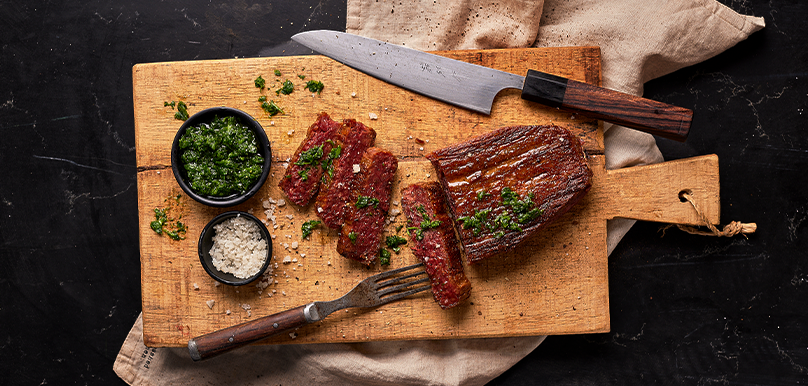
​​​​Hong Kong technology startup Alt Farm has begun 3D printing food from plant proteins thanks to a patented nozzle design that can recreate specific textures in its products, including the appearance of meat. One of the first products created is a 3D printed plant-based A5 Waygu beef (the highest grade for Japan's famous meat, which costs around $250 per pound). The company uses pea, soy, and algae protein to mimic the premium cuts' unique taste and marbling and says China and Australia are key markets where it hopes to launch in 2023.

Created by three Hong Kong University of Science and Technology (HKUST) alumni, the startup began with a proprietary printer design to incorporate 3D food printing. Currently, Alt Farm reports that it can take up to four hours to print one Wagyu steak but believes more research and development will lead to scaling technologies and production capacity.

Novameat

Emulating the taste, feel and look of artificial meat, Novameat is racing to 3D print plant-based whole cuts of beef, pork, and chicken. The Spanish startup employs biomimetic microextrusion technology and custom 3D printing machines to recreate the tissue structure of muscles.

Based on CEO and Founder Giuseppe Scionti's decade-long tissue engineering research, the company's microextrusion platform takes in vegetable fat (3%), water (72%), and plant protein sources (25%) to print a meat fiber matrix that looks and tastes like the real thing.

As part of its growth strategy, Novameat is collaborating with Disfrutar, a spin-off from the famous molecular gastronomy pioneering restaurant El Bulli, to create new "meat" dishes. Getting ready to launch its first products in Spanish restaurants this year, the startup is already planning to expand its retail partnerships in 2023.

Novameat's plant-based whole cuts

Novameat’s 3D printed plant-based whole cuts. Image courtesy of Novameat.

Plantish

Alternative plant-based seafood startup Plantish is raising millions to break into the foodservice industry and accelerate product development, including additive manufacturing (AM) technology used to produce alternative whole-cut fish filets at a low cost and massive scale.

Founded in mid-2021, Plantish's mission is to save the oceans through its original fake fish products. Created using its own versatile, patent-pending 3D printing technology, Plantish's trademarked salmon prototype can be prepared and cooked using the same methods as conventional salmon. The Israeli startup will be launching Plantish salmon in pop-up locations at the end of the year and officially introduce its product in nationwide restaurants by 2024.

Plantish's alternative whole-cut salmon fillet.

Plantish Salmon has the same nutritional value as conventional salmon, and is high in proteins and vitamins. Image courtesy of Asaf Karela/PRNewsfoto/Plantish.

Redefine Meat

One of the most publicized 3D printed artificial meat producers, Redefine Meat, has developed proprietary 3D printing technologies to create a new category of high-quality meat products made from plant-based ingredients that guarantee the flagship plant-based "New Meat" has the same flavor, texture, and versatility as animal meat. Having made considerable strides in developing technology to replace the cuts in the entire cow, in July 2021, the company launched its first range of five products to Israel's demanding and vanguard alt-meat market.

From a juicy steak to a smoky brisket, Redefine's meat can be tasted at restaurants in the UK, Germany, the Netherlands, and Israel, prepared by renowned chefs and ensuring animal-free, no GMOs or antibiotics will end up on your plate. With so many options to choose from, it's hard to resist. Its products have also pulled in over $170 million in funding in just three years. The future looks bright for this plant-based meat producer as it expands operations into other European countries, where it hopes to reach thousands of restaurants by the end of 2022.

Redefine Meat's alternative meat product is 3D printed.

Redefine Meat’s 3D printed alternative meat product. Image courtesy of Redefine Meat.

SavorEat

By now, it’s pretty clear that most 3D printed artificial meat businesses are emerging in Israel, so it’s no surprise that SavorEat would also be a local alternative. Recreating the unique experience, taste, and texture of meat without a single animal in sight, SavorEat uses a combination of a revolutionary chef robot, proprietary 3D printing technology, and unique non-GMO plant-based ingredients.

With SavorEat's solutions, a patent plant-based formula is used to manufacture food that mimics real meat, with the possibility of expanding the solution to other foods, including seafood. SavorEat's meat is manufactured automatically and autonomously by a "robot chef," eliminating the chance of contamination through human touch. In addition, it personalizes or adapts the food to individual personal or health preferences. The customized aspect of the business is probably what sets it apart from the competition.

The fully-automated technology also opens up the possibility of ready-to-eat highly-customized meat at the push of a button at home or in entirely-digital restaurants without humans operating them. The startup is currently pursuing a B2B-only approach initially (targeting restaurant chains) and is looking to test its technology at one of Israel's biggest burger chains, Burgus Burger Bar, with plans to commercialize it in the next two years.

A plant-based burger from SavorEat.

Solar Foods

Finish company Solar Foods has devised an entirely new way to make food. A spinout of the VTT Technical Research Centre of Finland and Lappeenranta-Lahti University of Technology (LUT University), Solar Foods produces a proprietary single-cell protein called Solein using just air and electricity. This revolutionary way to make a natural protein leads to food that is natural, can taste like anything, and unlike any other food, is not limited to the availability of land or the use of animals, agriculture, and aquaculture.

Solein is produced by placing living microbes in liquid and feeding them carbon dioxide and hydrogen bubbles, which have been released from water by means of electricity. Then these microbes create protein, which is dried to make the powder. Finally, using 3D printing, the company gives texture to the powder to make any food product, including meat substitutes.

Relying on a bioprocess that is ten times more efficient than photosynthesis and an estimated 100 to 300 times more sustainable than meat production, Solar Foods could have a powerful impact on the planet.

Solar Foods sustainable protein source

Solar Foods sustainable protein source. Image courtesy of Solar Foods.

Revo Foods

Previously known as Legendary Vish, Revo Foods is an Austrian-based developer of 3D printing technology designed to replicate the eating experience of seafood. Spinning out of a European Union-led research project, Revo was founded upon a 3D printing process initially developed for medicine. Later adapted for 3D printing plant proteins and binders into a realistic, structured form, the researchers behind the undertaking are now attempting to supply a novel option to the growing demand for plant-based seafood alternatives. Their 3D printed sustainable plant-based "fish," primarily salmon and tuna products, have already been tested by hundreds of people.

The first products to hit the market in the summer of 2021 were smoked salmon strips and a creamy smoked salmon spread. However, the team is also focusing efforts on developing salmon and tuna sashimi, which is expected to be available in Austria before expanding to other European markets.

The post 7 3D Printed Veggie Meats Rebuilding the Meat Industry appeared first on 3DPrint.com | The Voice of 3D Printing / Additive Manufacturing.

Metal 3D Printing Powder Process from 6K Emits Less CO2 by up to 92 Percent

Posted: 22 Apr 2022 05:30 AM PDT

Massachusetts-based 6K has promoted the environmentally friendly nature of its metal production process, UniMelt. Now, the startup is backing up its claims with hard data. The results of an independent lifecycle assessment (LCA) by Foresight Management has shown that, when producing nickel powders, UniMelt requires 91 percent less energy and emitted 92 percent less CO2 than traditional powder making processes.

6K Additive is the 3D printing materials wing of 6K, which also develops materials for energy storage. These seem like disparate divisions, but due the potential crossover between additive manufacturing and battery production, they may not be as divided as they might seem. Regardless of any overlap, however, the UniMelt process is described as less energy intensive and, therefore, less carbon intensive for producing metals for both applications. The system uses a microwave production-scale plasma process to generate metal powders in less than two seconds. This includes nickel 718/625, titanium64 grade 5/23, copper 18450/GRCop, stainless steel 316/17-4, and refractories such as tungsten and tantalum.

Now, sustainability and energy firm Foresight Management has validated 6K's technology. The Grand Rapids, Michigan-based company performs LCAs on products to determine their impacts on the global ecosystem. To do so, Foresight relies on primary and secondary data along with GaBi brand LCA software, resulting in data related to the environmental impact of sourcing, refining, and processing. The firm determined that, in its processing of nickel and titanium, UniMelt is significantly less harmful than other methods for producing metal powders, including gas atomization and other forms of plasma atomization.

"This is a cradle-to-end user assessment of the UniMelt technology. We studied all known industrial processes from raw material acquisition and processing up through manufacturing and customer distribution," explained Brad Van Valkenburg, sustainability manager at Foresight. "This assessment focused on nickel and titanium powders, both of which saw significant advantages when made using UniMelt process. The nickel results showed the UniMelt required 91% less energy and reduced carbon emissions by 92% and the titanium results showed the UniMelt required at minimum, 74% less energy and reduced carbon emissions by 78%."

Frank Roberts, 6K Additive president, said, "This assessment goes a long way in revealing how the UniMelt process exceeds traditional metal powder processing in environmentally important ways, while also pointing to the inefficiencies of atomization that currently plague AM material production. Sustainability is at the core of who we are at 6K Additive and providing our customers with quantifiable numbers related to the environment helps them move closer to zero carbon manufacturing with AM."

This is a crucial breakthrough in the world of material processing at a time when resource use most needs to be limited. Numerous sources have concluded that we have less than 10 years to cut greenhouse gas emissions by at least 45 percent, while intensive agriculture and habitat destruction has resulted in biodiversity loss at a rate of 100 to 1,000 times that of the background late. These dual threats would result in total ecosystem collapse for the planet. Meanwhile, humanity has essentially reached peak resource use.

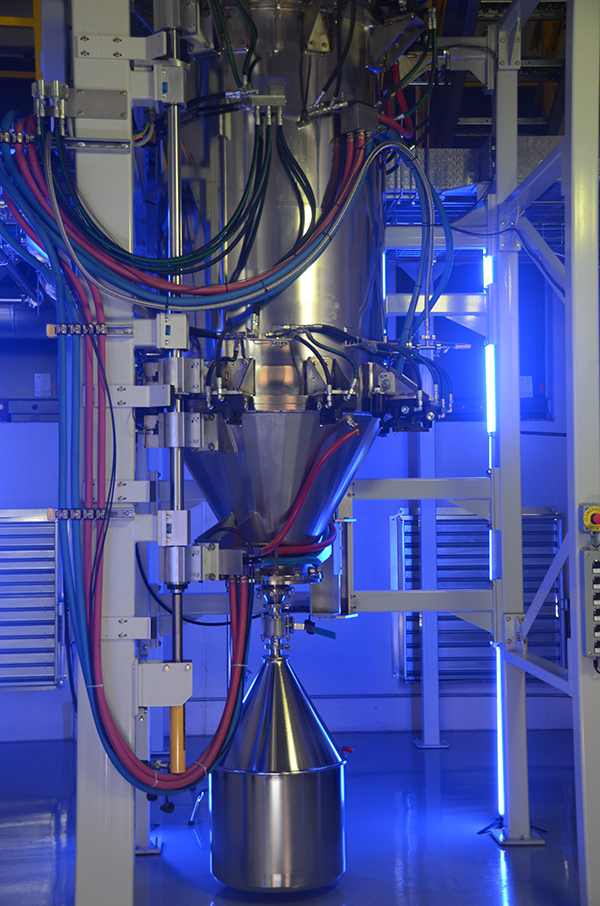
The 6K UniMelt system. Image courtesy of 6K.

It is therefore admirable that 6K has developed such a process, but what makes it all the more exciting is the possibility that UniMelt could be used to recycle existing metal parts. In 2020, the company was awarded a Phase II SBIR grant from the Defense Logistics Agency to recycle scrap metal into quality powders. If such initiatives could be expanded more significantly, it could be possible to reverse some of the damage done to the planet while still maintaining some semblance post-industrial life.

6K will link to the LCA report in the near future. In the meantime, potential partners wishing to learn more about UniMelt can visit the company's website.

The post Metal 3D Printing Powder Process from 6K Emits Less CO2 by up to 92 Percent appeared first on 3DPrint.com | The Voice of 3D Printing / Additive Manufacturing.

Massivit 3D Launches Massivit 10000 3D Printing Tooling System

Posted: 22 Apr 2022 05:00 AM PDT

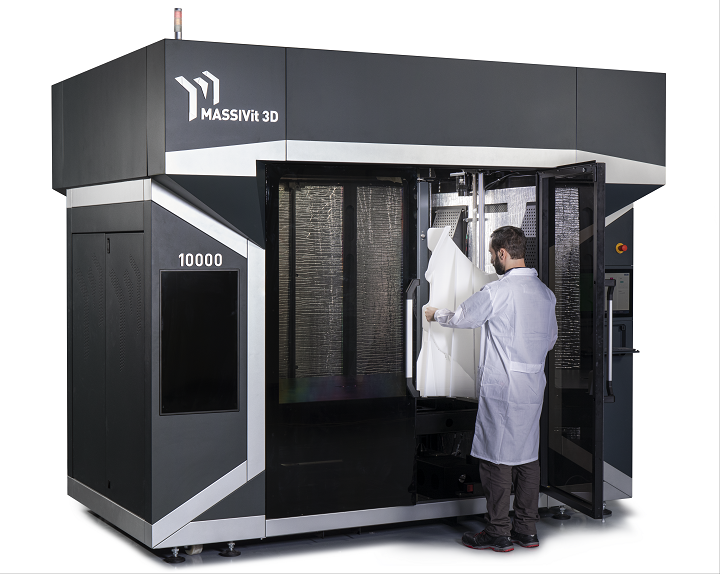
Large-scale 3D printer provider Massivit 3D Printing Technologies Ltd. (Tel Aviv Stock Exchange: MSVT) announced that it will be officially launching its most recent printer, the Massivit 10000 additive manufacturing tooling system, at the Paris-based JEC World 2022 event. The already award-winning system was first introduced last year, and features the company’s Cast-In-Motion technology. It was created to overhaul composite materials manufacturing by using automation to get past the common tooling bottlenecks and speed up the process.

The Massivit 10000 also represents a major company milestone, as it is the start of a new composites product line.

“We eagerly await this momentous occasion, marking a significant company milestone and injecting innovation into the composites manufacturing market,” Massivit 3D’s CEO, Erez Zimerman, said in a press release. “The composites tooling arena has long been held back by antiquated processes and technologies. It's high time to facilitate digital transformation in this market and we are proud to bring the relevant knowhow, expertise, and innovation to the table for that purpose.”

Most traditional composites tooling processes require manual skilled labor, and can also be wasteful, expensive, and slow. The Massivit 10000 makes the process faster by using the company’s second-generation Cast-In-Motion technology, which is based on its high-speed Gel Dispensing Printing for large-scale printing.

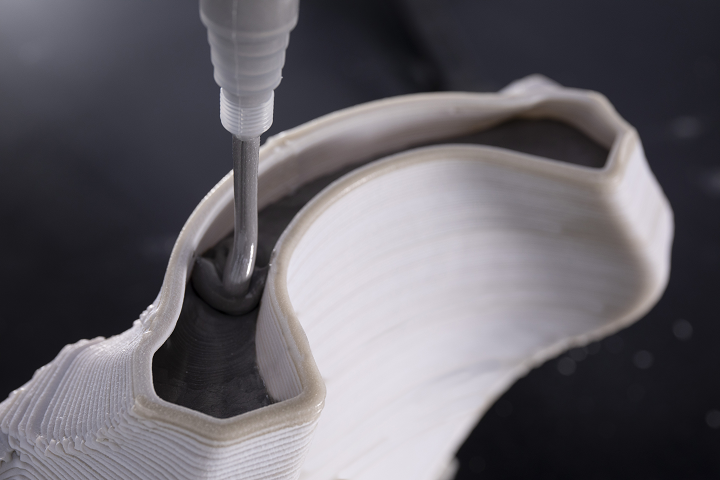
Casting between sacrificial walls

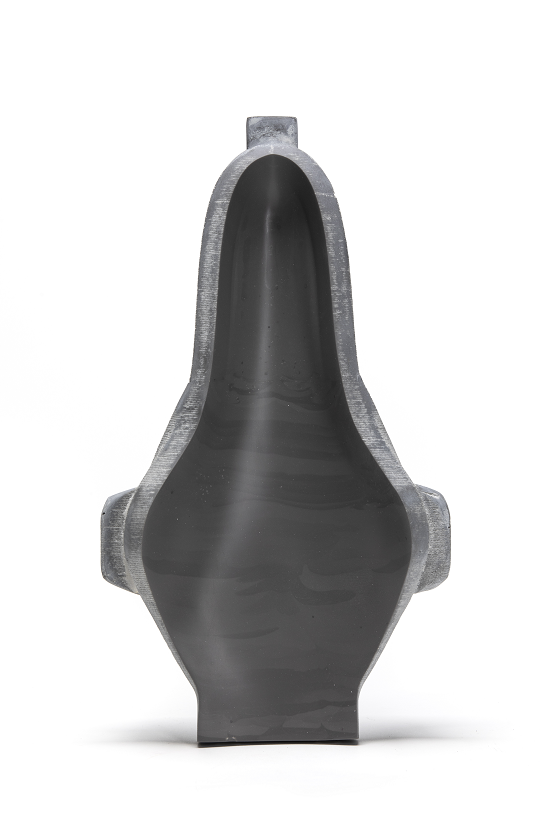
Massivit 3D’s Cast-In-Motion process makes it possible to directly 3D print complicated molds, mandrels, masters, and prototypes. Additionally, users that fabricate composites can use the technology to majorly decrease their tooling workflows from 19 steps to four. That’s because the Massivit 10000 doesn’t require you to manufacture an initial master or plug. Instead, it uses industrial-grade casting materials to directly print and cast the mold at high speeds.

This Cast-In-Motion technology is meant to be used in a wide variety of industries, such as aerospace, automotive, defense, rail, marine, sporting goods, and furniture. Massivit 3D says the process offers digital accuracy and freedom of geometry to create efficient designs, and also offers several other benefits as well. For instance, it’s said to shorten tooling time by 80%, reduce labor-associated costs by 90%, majorly decrease expensive material waste, and reduce manual labor and associated inventory and transportation.

The new Massivit 10000 additive tooling system, according to the company, also brings the “first 3D printed isotropic mold for composites manufacturing” to market. The large-scale machine uses high-performance thermoset-based materials, instead of current thermoplastic additive tooling systems, to fabricate one uniform cast, the result of which is an isotropic mold. Additionally, the casting materials it uses are said to have a low coefficient of thermal expansion, predictable thermal and mechanical properties, and a high heat deflection temperature.

As of now, 17 preorders have already been made for the Massivit 10000, including beta agreements with US-based luxury bath ware specialists Lyons and Israel-based company Kanfit, which manufactures composite material parts for the global aviation market.

At JEC World, from May 3-5, visitors can reserve a live demonstration of the new Massivit 10000 at the company’s stand in Hall 5, M46, and also see a variety of molds and parts printed on the system. Visitors will also have the chance to preorder the Massivit 10000 for a limited time. To learn more, visit the Massivit 3D stand at 3 pm on Tuesday, May 3rd for a press conference. Massivit 3D plans to deliver the systems to customers starting in Q2 of this year.

The post Massivit 3D Launches Massivit 10000 3D Printing Tooling System appeared first on 3DPrint.com | The Voice of 3D Printing / Additive Manufacturing.

Ultimaker’s Latest Cura Update is a Huge Step Forward for User Control

Posted: 21 Apr 2022 07:00 AM PDT

Ultimaker has just announced the release of the beta version for Cura 5.0, the latest edition of its widely-used, open-source slicing software. The company revealed the new upgrade at this year's Ultimaker Showcase, and is touting Cura 5.0 as “the biggest leap forward in print quality that the software has ever seen."

Ultimaker specializes in fused filament fabrication (FFF) technology, and makes some of the world's most popular desktop 3D-printers, including the Ultimaker 2+. The prevalence of its products, combined with an open-source — and free — operating system, attribute a significance to Ultimaker's actions that goes far beyond the scope of just one company. In other words, the changes Ultimaker effects can surely be expected to change the industry, as a whole.

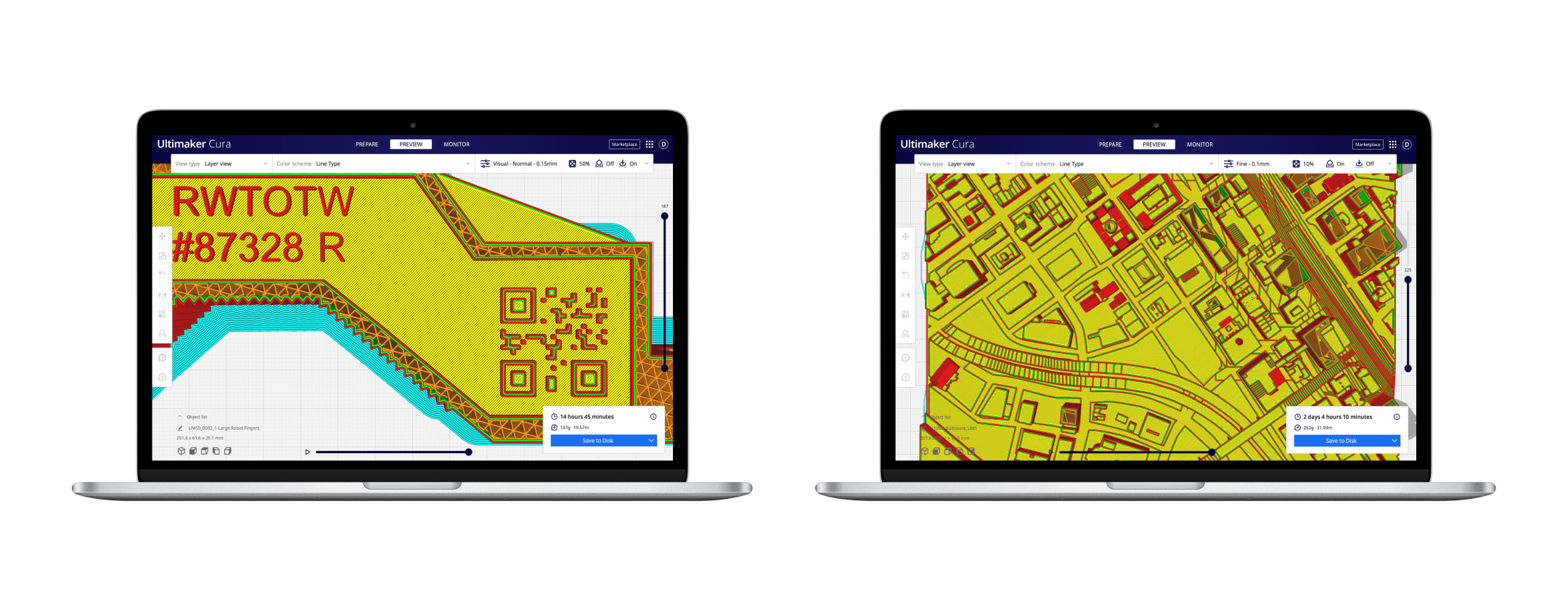
In this vein, the biggest upgrade ushered in by Cura 5.0 involves the user's ability to control the line width of 3D models. On its face this may sound like a minor tweak, but in practice, it in fact addresses a highly significant limitation to FFF 3D-printers. Without this capability, users can only change the line width of FFF prints by changing the print head nozzle, yielding a print with identical line widths across the object's entirety. The main obstacle this presents for the user is that, if a portion of the print is designed to be two-and-a-half lines thick, only two lines are printed. A small empty space, representing the remaining half-a-line, is left in the middle of the two lines. Thus, any attempt to create details between the one-line thresholds can only be achieved by leaving gaps in the final product.

As a result, one of the biggest advantages to the increase in user control — and decrease in gaps — that Cura 5.0 facilitates is a stronger end-product. As Steve Cox, an engineer and 3D printing consultant who has already used this latest Cura update puts it, "…fewer limitations have to be considered in CAD, so the software is less of a limiting factor towards the end result. Thin walls, and the kind of small design features that are often featured in injection molded parts, are created much more efficiently…"

Other features of the newest update mostly entail similar, gradual improvements that have been part of previous updates. These include an improved user interface, faster print profiles for users of Ultimaker printers (yielding print time reductions of up to 20%), and better integration between Cura and Ultimaker Marketplace — a sort of app store where users can get continuously updated plug-ins for the Cura software. Finally, one additional, novel feature of Cura 5.0, is that it has been designed specifically with products that use Apple M1 chips in mind.

However, the biggest improvement is variable line width. The aforementioned special influence Ultimaker has in the industry, if only due to its being so pervasive, will be proven by how quickly this feature spreads to other FFF operating systems and machines. Moreover, it's likely that this initial step will have a ripple effect on the evolution of printer head control in the sector.

Images courtesy of Ultimaker

The post Ultimaker’s Latest Cura Update is a Huge Step Forward for User Control appeared first on 3DPrint.com | The Voice of 3D Printing / Additive Manufacturing.

Bound Metal 3D Printing to Make $54B in Metal Parts through 2030

Posted: 21 Apr 2022 06:00 AM PDT

SmarTech Analysis has released the latest edition of its report on bound metal 3D printing. Dubbed "Bound Metal & Metal Binder Jetting AM 2022," the report projects that metal binder jetting and bound metal extrusion technologies will produce $54 billion in parts through 2030.

The report tracks a segment that SmarTech describes as "evolving at a pace faster than any other technical 3D printing segment, even exceeding that of the incumbent and more widely adopted metal powder bed fusion sector." This is reflected in the numerous companies that have entered the space, ranging from established industrial firms, like ExOne/Desktop Metal, to low-cost extrusion manufacturers, such as 3DGence.

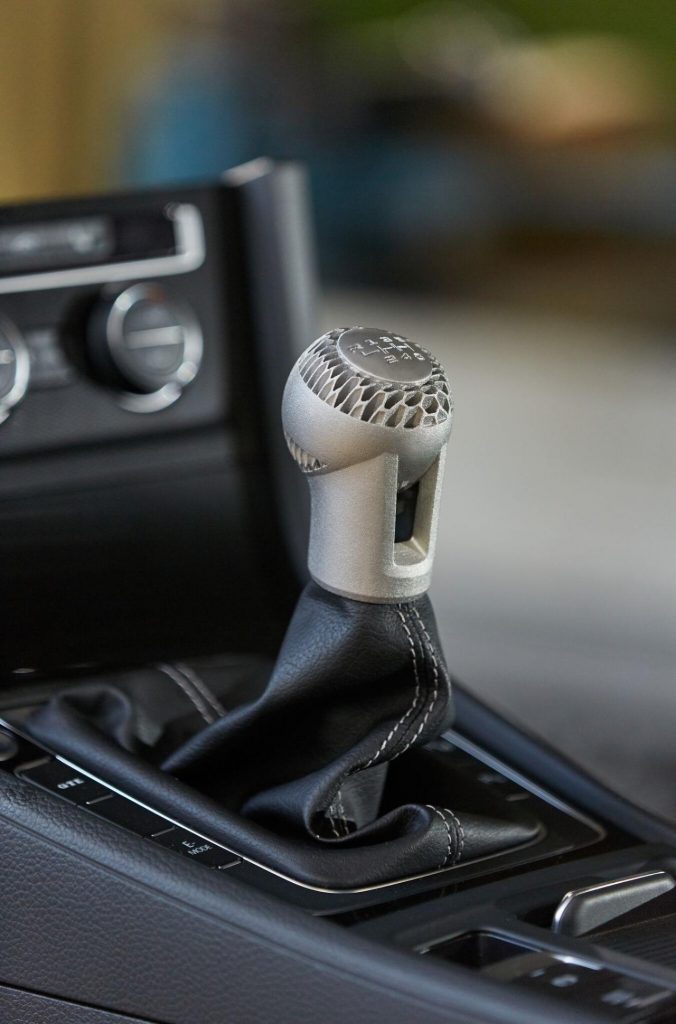
A 3D printed gearshift knob that VW revealed with the unveiling of MetalJet in 2018. Image courtesy of HP.

SmarTech looks at the sector from its roots, with the invention of metal binder jetting by ExOne, and continues to present day, projecting into the future. While ExOne previously required the secondary infiltration of metal binder jet parts, typically one-off components or short runs. As a result, binder jetting suffered from less market adoption and growth.  More recently, however, the technology has received renewed interest as a result of new players, like HP, Desktop Metal, and GE.

The study analyzes the roles of the most important companies in the segment as they attempt to confront the casting industry. This is a significant development, as these technologies were previously targeted toward metal injection molding (MIM) suppliers. Names discussed in the report include: Desktop Metal, MarkForged, GE Additive, ExOne, HP Inc., Xerion, Smith Metal Products, IndoMIM, Digital Metal, Hoganas, GKN Powder Metallurgy, Triditive, Ipsen USA, Elnik Systems, Abbot, SECO Warwick, FreeFORM Technologies, Riven, Hexagon, MSC, and more.

The market research company notes that metal 3D printing is sold for the unique value it can provide a specific application. This includes bound metal AM. SmarTech suggests that much of what is holding back binder jetting in particular is the perception of its capabilities. To do away with those preconceptions, power users could advertise their use cases for production parts. This is one major take away from the report and we've already seen that the public teasing of mass binder jet usage by Volkswagen and Ford have generated a great deal of press.

BASF's Ultrafuse 316L – Metal filament for 3D printing stainless steel parts

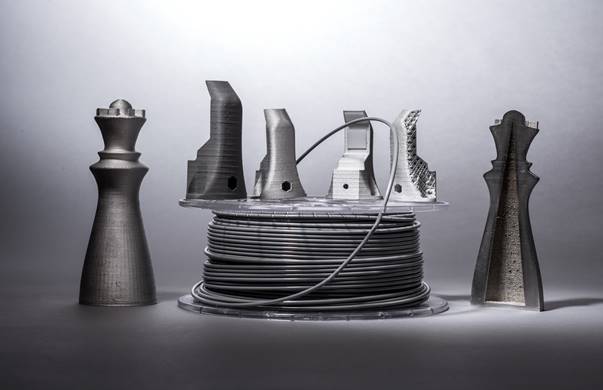
Meanwhile, bound metal extrusion is also extremely promising. Still new, it hasn't picked up the steam that it will. So far, Desktop Metal and Markforged make equipment dedicated to this process, while BASF and The Virtual Foundry produce bound metal filaments for use with standard desktop 3D printers. In general, these may be used to prototype metal parts, but there could be strong potential to manufacture end parts in large batches with printer farms.

The entire bound metal segment is an exciting one, due to its low cost and we have yet to see its full potential. SmarTech describes this as "the first full featured market study specific to bound metal additive manufacturing processes." It combines both a broad database of market forecast data and an extensive analysis of the current innovators, strategic considerations, and the key applications and adopters of the technology. To learn more or to purchase the study, visit the SmarTech report page here.

The post Bound Metal 3D Printing to Make $54B in Metal Parts through 2030 appeared first on 3DPrint.com | The Voice of 3D Printing / Additive Manufacturing.

Nano Dimension’s Electronics 3D Printing HQ in US Moves to Massachusetts

Posted: 21 Apr 2022 05:30 AM PDT

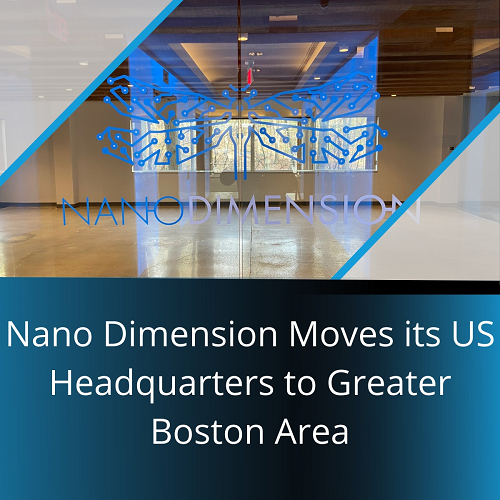
Recently, I had the opportunity to visit the Israeli headquarters of printed circuit board (PCB) leader Nano Dimension (Nasdaq: NNDM), which specializes in Additively Manufactured Electronics (AME), micro additive manufacturing, Printed Electronics (PE), and High-Performance Electronic Devices (Hi-PEDs). The company has now announced the opening of its new US headquarters in Waltham, Massachusetts, located in the Boston metropolitan area. This relocation to an area much closer to several strategic R&D institutions is part of Nano Dimension’s business plan.

“We are excited to strengthen our presence in the nation's academic research and technological innovation center. Our multi-year growth initiative is dependent on being near the institutions and consortia that are already – or will soon become – our customers,” explained Nano Dimension’s Chief Revenue Officer Sean Patterson, the President of Nano Dimension USA.

As Hanan Gino, CPO and Head of Strategic M&A at Nano Dimension, told me, the company wants to “revolutionize the electronics industry.” The best way to do this is by partnering with and acquiring companies that can help it reach this goal. Nano Dimension is working off a technology roadmap that will progress a new production model for 3D printed electronic (and other) devices through advanced materials, 3D printing, deep learning AI, and integrated surface mount technology (SMT). The production model will allow for self-improving, intelligent automation and processes that are more environmentally friendly and secure.

Nano Dimension looks for companies in materials development, equipment vendors in its chosen sector, and, as Gino said, “companies who will give us the presence in the right market,” as well as those with complementary technology to its own AME solution. With its US headquarters relocating to the Boston area, the company is well-positioned near academic and research institutions, like Harvard, MIT, and Boston University, that have already adopted its AME, Micro-AM, and PE solutions. The new facility is also near several R&D labs and more public and private universities as well, which means Nano Dimension is also close to an extremely high-tech talent pool.

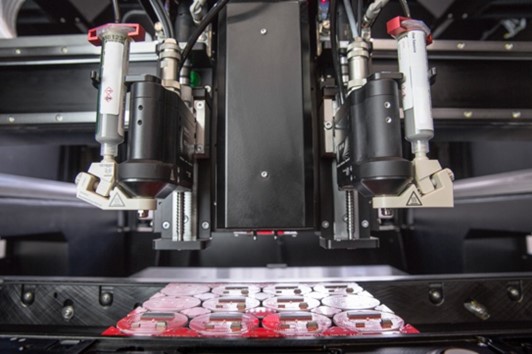
3D printing electronics.

3D printing electronics. Image courtesy of Nano Dimension.

“Even beyond the four strategic acquisitions completed in the past year, we are expecting tremendous growth in our customer base and our staff moving forward. It is important for us to take part in the Massachusetts area’s thriving professional and research ecosystem,” Patterson said.

Nano Dimension’s new headquarters will feature customer support and fabrication facilities, which can be used to support its AME Academy events and other local organizations. The facility will also house increased sales operations. To help lead the way in its new home, Nano Dimension has welcomed PCB marketplace veteran Gene Howard Weiner, through his Massachusetts firm Weiner International Associates, as a consultant. Additionally, the new AME Standards Manager in the company’s US home is Dana Korf, Principal Consultant at Korf Consultancy.

Patterson said, “These are two figures of immense technical knowledge and vast experience within the business of software, OEMs, and electronics manufacturing. Their professional networks will allow us to take full advantage of emerging opportunities.”

Nano Dimension will keep its marketing, sales support, NaNoS printing services and logistics center open in Sunrise, Florida. The company plans to host an official open house for its new Massachusetts office later this summer, though current and prospective customers can come visit by appointment.

The post Nano Dimension’s Electronics 3D Printing HQ in US Moves to Massachusetts appeared first on 3DPrint.com | The Voice of 3D Printing / Additive Manufacturing.

Markforged’s Larger, Faster 3D Printer Lands with First Customer, Phillips Corporation

Posted: 21 Apr 2022 05:00 AM PDT

It's been a little under a year since Markforged announced the latest update to its continuous composite 3D printer line, the FX20. The system was described as the largest, quickest, and "most sophisticated" 3D printer yet produced by the company. The systems are now shipping and the first unit has landed with its first customer, Phillips Corporation.

Maryland-based Phillips Corporation is a manufacturing services company that supplies a variety of production technologies. More recently, this has come to include a growing additive division that includes the sale of EOS metal 3D printers and Markforged equipment. As a Haas distributor, it also partnered with Haas and Meltio, to develop a hybrid directed energy deposition and CNC machine platform. Additionally, Phillips Corporation's is involved in a number of projects with the U.S. Department of Defense.

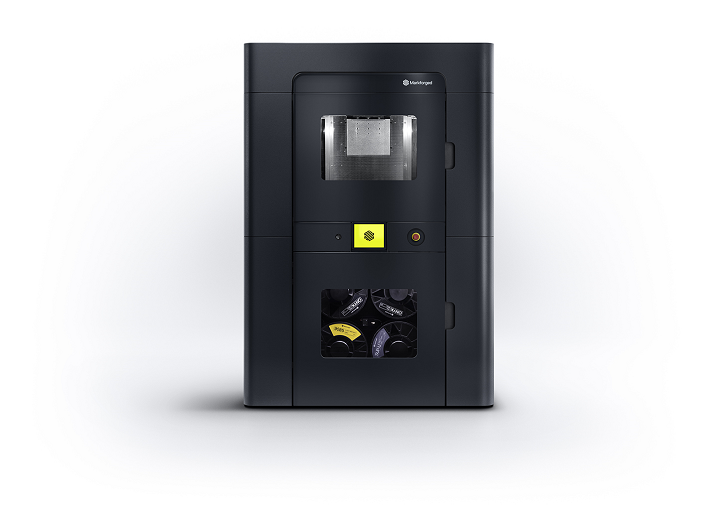
The FX20 3D printer by Markforged

The FX20 expands Phillips Corporation's existing Markforged portfolio, which already includes its various composite and metal extrusion systems. It is five times larger than preceding composite 3D printers from the company, with a build volume of 525 mm x 400 mm x 400 mm. It is also eight times faster and extra-large spools make it possible to 3D print with four times the material without spool changeover.

Additionally, the system can 3D print with high-temperature filament, specifically UTLEM 9085. This SABIC brand of PEI features high strength and resistance to extreme heats and chemicals, making it ideal for oil and gas. Its qualification for aerospace, however, makes it the additive polymer of choice for aerospace applications. This pairs with flame retardant carbon fiber reinforcement from Markforged so that durable parts can be 3D printed for use in aircraft interiors.

While Markforged more or less invented 3D printing with continuous carbon fiber reinforcement, newer firms have since released their own versions of the technology. This duo of materials allows Markforged to remain competitive with the more recent market entrants.

Markforged FX20 3D printer.

Markforged FX20 3D printer. Image courtesy of Markforged.

To provide potential customers with a taste of the FX20 experience, Phillips Corporation is inviting manufacturers to see the system at its showroom in Colfax, North Carolina.

The post Markforged's Larger, Faster 3D Printer Lands with First Customer, Phillips Corporation appeared first on 3DPrint.com | The Voice of 3D Printing / Additive Manufacturing.

Next Generation Flashforge Adventurer 4 3D Printer Hits North American Market

Posted: 21 Apr 2022 04:30 AM PDT

Nearly two and a half years after the initial release of the popular Adventurer 3, Flashforge has come out with a refresh that offers several upgrades to improves the printing experience and capabilities. Touted as the next generation in the Adventurer series lineup, Adventurer 4 boasts features at the mid-tiered price point that will give users their money's worth, such as an auto-leveling print bed, a much larger build area, and an extruder that can use a variety of materials.

A versatile machine that caters to a broad audience base

Flashforge is a global 3D printer brand and one of the pioneers of bringing 3D printing to consumers through its printer quality and price. Founded in 2011, Flashforge first offered 3D printers to at-home hobbyists and tinkers and has since expanded its footprint to provide printers for businesses, schools, and even the government.

Adventurer 4 is an all-around printer aimed at a broad user base. Beginners can tap into the world of 3D printing right out of the box, and as printing skills grow, Adventurer 4 is able to accommodate more advanced print jobs also. It is also just as capable being used in business environments for applications such as prototyping, production lines, and more. Flashforge USA partnered with Layerbylayer to provide a 3D printing curriculum bundle, so schools can leverage Adventurer 4 to provide 3D printing lessons in classrooms.

More than a good-looking machine

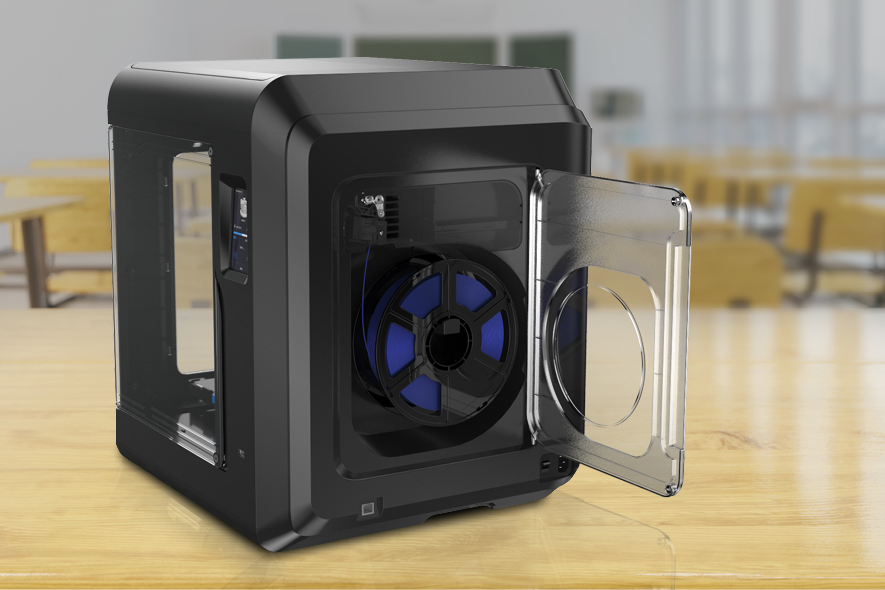
Flashforge has kept its design cue the same for the most part. On the outside, Adventurer 4 can easily be identified as part of the Adventurer series lineup. Those coming from the previous generation will find a much larger footprint that extends to the build chamber as well. At 220 x 200 x 250mm (8.7 x 7.9 x 9.8 in), Adventurer 4 has a build volume that is over 2x its predecessor. Inside the chamber, there is a HEPA 13H air filter that can effectively eliminate 99% of TVOC powder and activated carbon filter odor. It is also fully enclosed with a see-through door in the front. Removing the side panel reveals the filament tray that can accommodate 1kg spool.

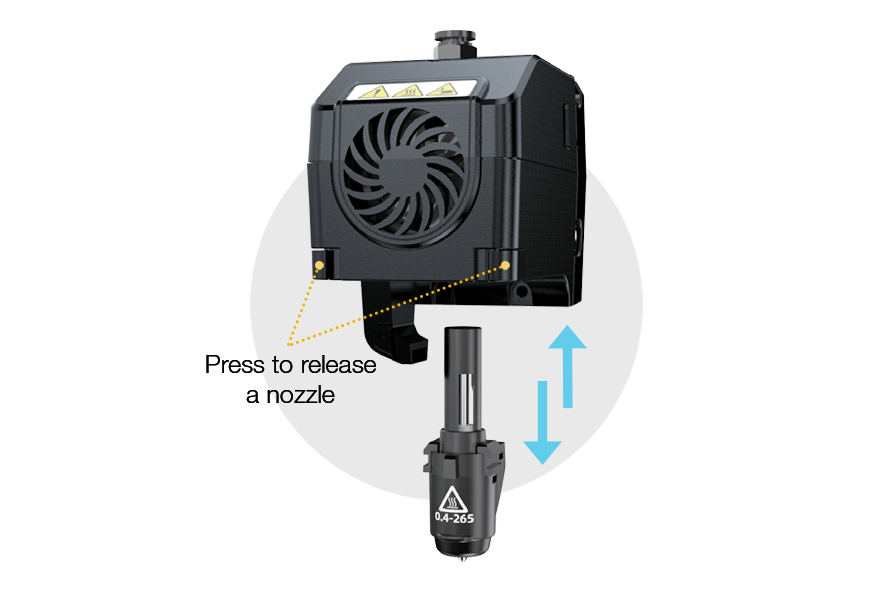
Based on FFF (fused filament fabrication) technology, Adventurer 4 uses filament extrusion method to print objects. It can use a variety of materials ranging from the standard ABS, PLA, PETG to PC, PLA-CF, PETG-CF, ASA, and more. Depending on the filament used, extrusion temperature will need to vary. Adventurer 4's versatile single extruder has a maximum temperature of 265°C (509°F) and uses a patented buckle design that allows users to quickly swap between different Flashforge nozzles. In addition, the nozzle can reach 200°C (392°F) in just 60 seconds, saving users time between prints.

An intelligent self-leveling platform

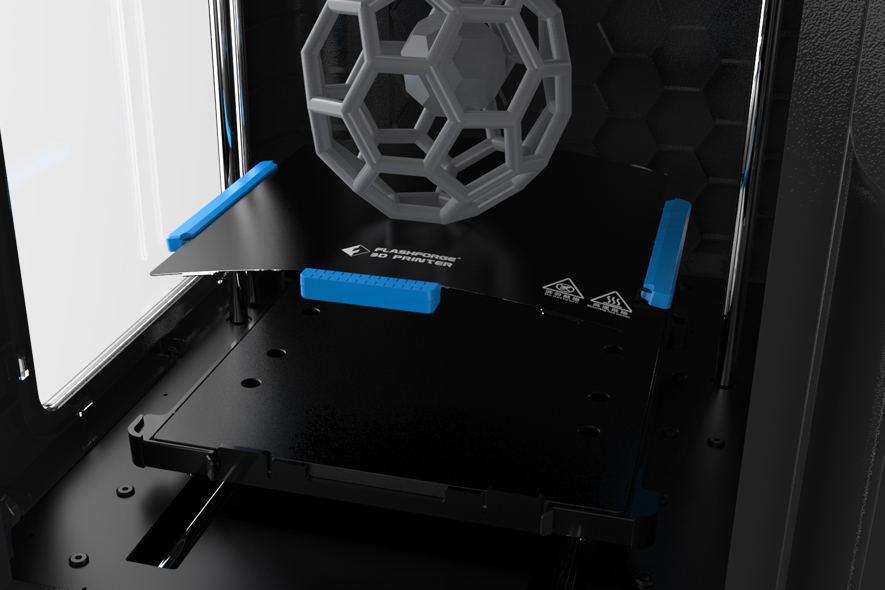
Flashforge Adventurer 4 is one of the few printers on the market that offers true auto-leveling print bed. Compared to manual or assisted bed leveling, time is saved from having to align the bed. The flexible magnetic plate can also heat up to 110°C (230°F) to accommodate different types of filament.

Other notable features

Adventurer 4 uses the latest FlashPrint software from Flashforge. The printer can be monitored remotely through FlashPrint and the build-in camera. Multiple printers can also be connected to form a production line. Adventurer 4 also features filament run out detection and resume print from power outages, so print jobs will not be interrupted.

Technical specification

Print Technology                       FFF (Fused Filament Fabrication)

Number of extruders                 1

Print volume                             220 x 200 x 250 mm (8.7 x 7.9 x 9.8 in)

Printer Dimension                     500(L) x 470(W) x 540(H) mm, (19.7 x 18.5 x 21.3 in)

Connectivity                             USB, Wi-Fi, Ethernet, and Cloud Printing

Adventurer 4 is available today and can be purchased directly from Flashforge USA with fast delivery from its facility in Southern California.

The post Next Generation Flashforge Adventurer 4 3D Printer Hits North American Market appeared first on 3DPrint.com | The Voice of 3D Printing / Additive Manufacturing.