Tuesday, June 21, 2022

3DPrint.com | The Voice of 3D Printing / Additive Manufacturing

3DPrint.com | The Voice of 3D Printing / Additive Manufacturing


On the Ground at Velo3D’s New European Tech Center for Metal 3D Printing

Posted: 21 Jun 2022 08:33 AM PDT

Today, Velo3D (NYSE: VLD) opened a European Technical Center in Augsburg, Germany. The U.S. company has crossed over to Europe, where it can better educate and showcase its capabilities to new and prospective customers. The site also serves as Velo3D’s European headquarters and will house most of its European staff. I visited the opening and had a chance to interview Benny Buller, Velo3D’s CEO, and Dirk Rathsack, Managing Director of European Sales & Technical Sales. 

"Three years ago, we shipped our first Sapphire printer to our very first customer and since then, we've experienced tremendous growth across all of our key industries. Our new Technology Center in Augsburg will support our efforts in growing our presence in Europe in a similar manner and will feature an additive manufacturing solution capable of printing our customers' most ambitious designs,” said Buller at the facility’s opening.

Buller discussed in greater detail the importance of the move, telling 3DPrint.com:
¨In the U.S. we have become a very well-known brand in additive manufacturing. We are recognized for our capabilities there. Here, people don’t know about us. Here, we need to train people, train customers, and build test parts for European customers. Some don’t want parts to go to the U.S. We can now make them in Europe.

Additionally we saw in the U.S. that some of the most knowledgeable and experienced companies with AM know the limitations of the technology. So, when we tell them about Velo3D, they are often the most skeptical. Europe has a lot of history with additive. Europe is a very educated place about additive. There is this Mark Twain quote I really like, "It ain't what you don't know that gets you into trouble. It's what you know for sure that just ain't so.¨ For us to really show people what is possible, we have to show them, in person.”

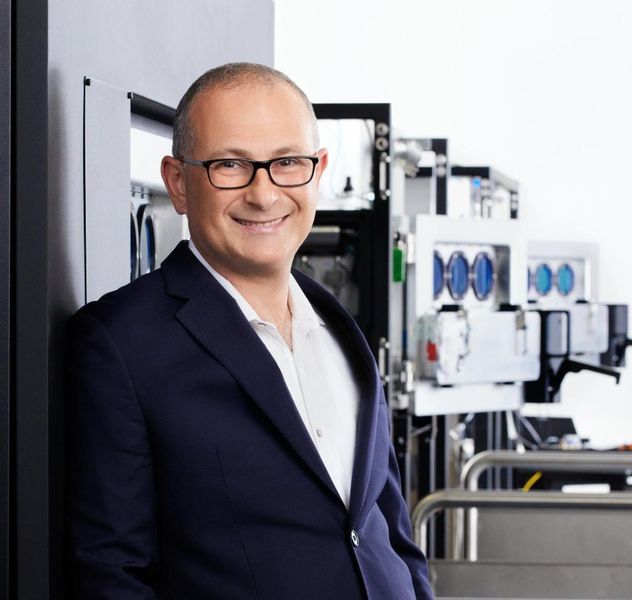
Headshot of VELO3D CEO Benny Buller.

VELO3D Founder and CEO Benny Buller. Image courtesy of VELO3D.

Buller was also able to elaborate on the company’s choice for Augsburg, Germany. The pretty city near Munich already features its own Technology Center, which includes the Germany aerospace center DLR, as well as cold spray and other 3D printing technologies at the Augsburg Innovations Park. The site is located in the middle of an area with a lot of aerospace activity, with Premium Aerotec and Fraunhofer situated very nearby.
“My team picked Augsburg specifically because it is an important aerospace area and a good location. Many important aerospace businesses are here. Germany is also the largest industrial market in Europe. People here are also very quality minded,” Buller said. “I think the most difficult place for us to penetrate is Germany. That is why we are here. Our biggest competitor, EOS, is here and the next three biggest ones are here also. We have to be here. We have a very clear path in the States. We have a good momentum in the States, as well. Now, we have to crack opportunity in Europe, specifically the one in Germany, Italy, France, and the U.K.¨ 

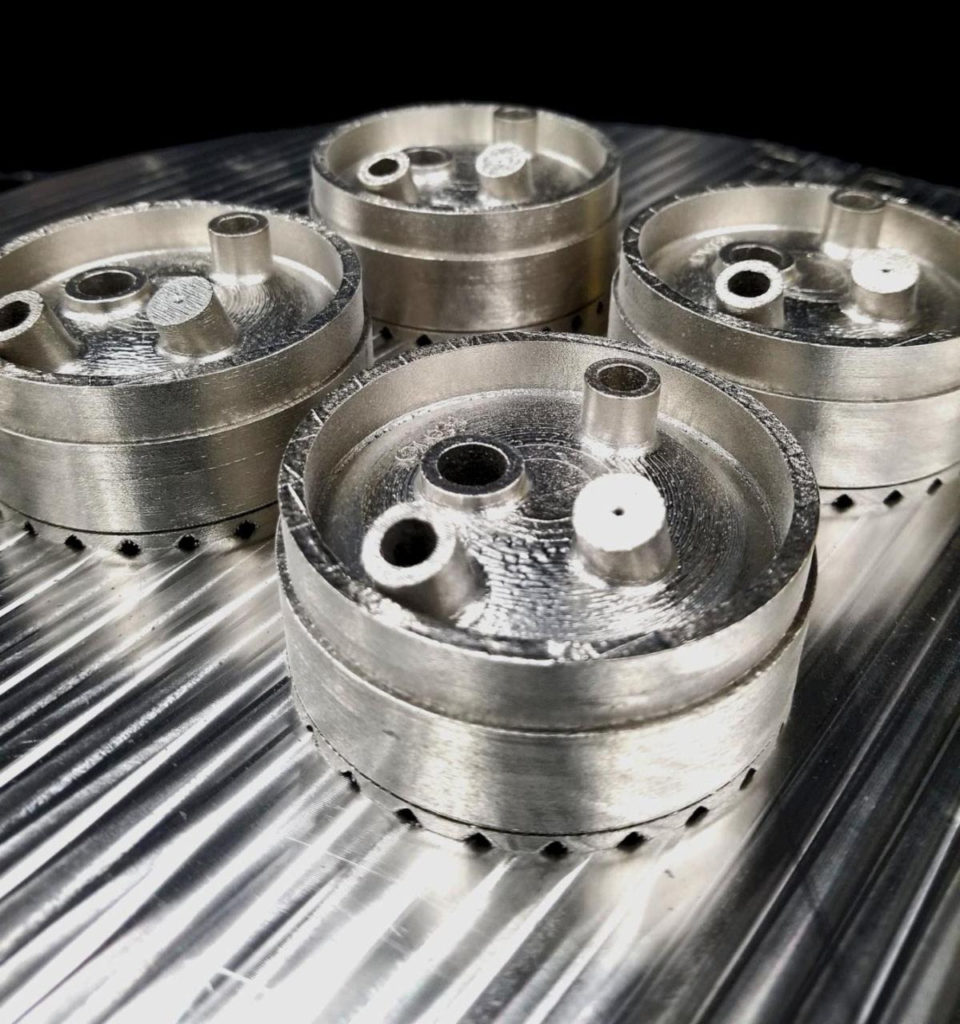
Four Orbiter engine injectors, printed on a Velo3D Sapphire AM system.

Four Orbiter engine injectors, printed on a Velo3D Sapphire AM system. Image courtesy of Velo3D/Launcher.

In the U.S., Velo3D has a tight application-driven focus. I wondered if that would continue in Europe?

¨For Europe we see a lot of Aerospace, space, commercial aviation and defence opportunities. We also see a lot of possibilities in  oil and gas, power generation, turbo machinery and in nuclear as well. One vertical that we expect to be bigger in Europe is tooling such as die cast tooling and injection mold tooling.¨

In fact, Velo3D already has a launch customer in Europe.
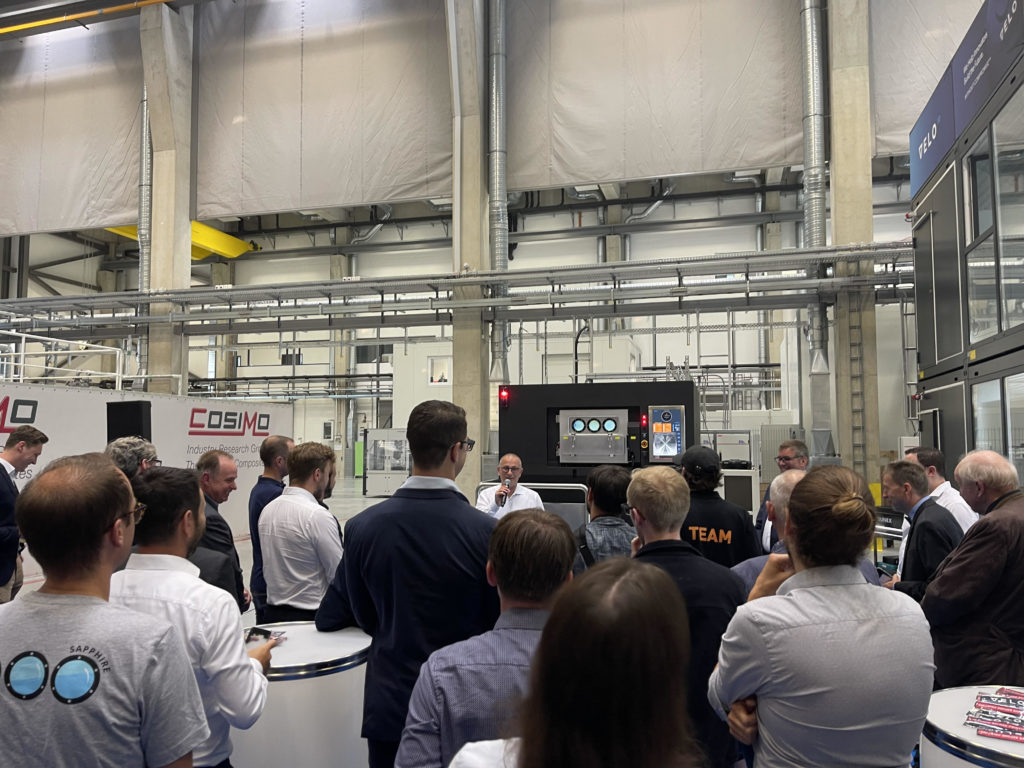
Benny Buller Speaking to the guests.

was able to discuss the types of parts the company hopes to make for which customers, saying:

“We have a lot of interest from our existing clients but also new ones—mainly in space, hydropower, helicopters, aviation, wind energy, and hydropower. We have clients for additive worldwide now. Mastering additive manufacturing for us is a way to serve existing clients but also to diversify. We use this as a tool to bring to existing customers and as an alternative to traditional manufacturing. The most successful parts right now are impellers, mostly shrouded impellers, these are difficult to machine otherwise, especially with more complex geometries.”

The Schoeller-Bleckmann 3D Printing team of Jud and Wutzlhofer, the operators of the first Velo3D machine in Europe.

  would work with customers.

“We are interested in series of parts. We start with a prototype and then develop a part for series. In oil and gas, we can have parts in lots from 10 to 20, but also in the hundreds. Because we have all of the machining and post-processing in house, we can do both machining and additive in one location. We’re now seeing demand in new parts, MRO, tooling, and also in reshoring as companies withdraw from certain markets or want to diversify to reduce risk. We really want to show the possibilities of the additive manufacturing side of our business through an end-to-end process and true manufacturing,”

Dirk Rathsack is leading the commercial and support activities in Europe for Velo3D. We asked him what he aims to do for the company in Europe.

The main challenge for us will be the growing pains: hiring people, managing people, transferring a lot of knowledge. We have already found 14 high caliber people, but we need more. Also, no one knows us well really. Some in France may think that we are a bike company rather than a 3D printing company. So, we have to do a lot of groundwork. We have to tell people who we are, why we exist. We have to establish a foundation, and then build up on that. We are doing a lot of webinars, trade shows, meetings. We have to explain what we can do and do what we say. At the end of the day we have to be a reliable partner. We can’t promise the moon and not deliver. We have to be straight, true, honest and tell the customer what they can expect. We have to deliver on promises.”

In the U.S., Velo3D´s focus Is on large companies that can buy a fleet of Velo3D machines. Germany has those as well, but also has a lot of mittelstand companies, often highly specialized, family-owned firms that are relatively small. Can these use Velo3D too?

“The mittelstand companies are in many ways very innovative and have many disruptive ideas. We hope to find them and let them grow with the technology. Midsized businesses have to be innovative to compete with low cost countries through innovation and technology. We want to help them to do this successfully and ramp up with those companies.”

If the company’s progress in Europe is at all like its work in the U.S., it may soon launch like a rocket. And I’m not just saying that because of all of the space customers taking advantage of Velo3D’s metal 3D printing to produce rocket parts for private space flight.

The post On the Ground at Velo3D’s New European Tech Center for Metal 3D Printing appeared first on 3DPrint.com | The Voice of 3D Printing / Additive Manufacturing.

3D Printer Manufacturer MakerGear Is up for Sale

Posted: 21 Jun 2022 07:00 AM PDT

MakerGear has been making high-quality desktop systems for over a decade. Launching with the simple MakerGear Mosaic in 2011, Rick Pollack´s firm went on to develop sturdy machines with linear rails, strong chassis, enclosures, and a high degree of functionality. Never very flashy or braggadocios, the company was not very well known internationally, but it made some excellent 3D printers. Now, the Ohio-based firm is looking to be acquired.

Long lead times and supply chain interruptions have made it difficult for the firm to fulfill orders and keep printers in stock. Rick and the team have always been direct and honest, so they didn’t hide these issues but were up front about them to customers, even before they bought a new MakerGear product. The company also noted that, previously, the 2018 tariffs on Chinese imported parts hurt the firm, as well. Pollack explained the situation in the following message:

¨MakerGear is a small, self-funded business and the impact of major disruption after major disruption is more than we can absorb….In order to deal with these challenges, we have scaled back operations. At this moment, we are selling our existing printer inventory, trying to maintain a consistent stock of spare parts and providing technical support. As we sell out of printers, we do not know when (or if) we'll be able to restock.

For MakerGear to move beyond this transitional period, we are looking for new leadership. We are seeking an individual, team or entity to take over MakerGear. This could be either through a direct acquisition or it can be done through a transition plan (explained below).

This will require an individual or team with engineering, sales, marketing, and operational experience. MakerGear has solid existing product lines, thousands of customers and we are well established in the Additive industry. Our business model that focuses on building quality products, providing excellent customer service, and making as much as possible in the US has worked well for many years but the challenges over the last four years have seriously hindered our ability to innovate. The new team will need to be able to invest in innovation while engineering costs out of the existing products.

If you are passionate about what MakerGear does, have a vision for what we can be and, most importantly, have the demonstrable ability to execute that vision, we'd like to talk to you.

If you have capital and would be interested in directly acquiring MakerGear, please contact us.

If you have the experience and skills but lack capital, contact us as we are open to working out a transition plan for the right person/team. In other words, for the right person or team, we'll make the transition as painless and low-risk as possible.

MakerGear is currently in year fourteen, we have thousands of customers and we have solid existing product lines. We are seeking the person or team that can take MakerGear beyond what we have been able to accomplish and provide continuity and a path forward for the MakerGear community. If this resonates with you, contact us.¨

The company urges people to email future@makergear.com to find out more. MakerGear is an excellent company, but a difficult business. The firm has been great at customer service, keeping promises and making actual 3D printers. As a true manufacturer of 3D printers, it is far better than nearly all of its competitors. It has never been excellent at marketing or making promises it can’t deliver on. Additionally, MakerGear has lacked the scale and capital to truly internationalize its business and grow. Even within the U.S., it could have had much better distribution and more partners. It could have also been more of a powerhouse online.

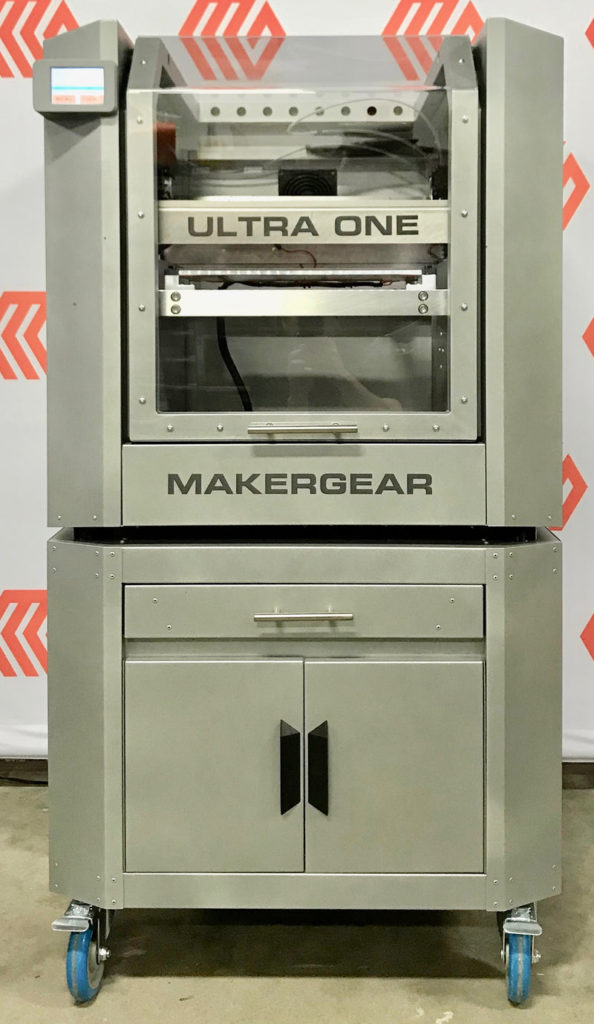
From the sturdy M2 to the great M3 and the enclosed, industrial Ultra One, MakerGear has a complete and quality lineup of devices. With some capital and a big marketing and PR push, the firm could definitely find a future for itself. Given its systems reliability and repeatability, as well as general sturdiness, they roughly have two options as an independent firm and several more as an acquired subsidiary.

If MakerGear Remains Independent, It Could…

Go Pro

MakerGear could make machines for manufacturing. Similar to 3ntr, the company could produce robust, repeatable manufacturing devices for factories, service companies, and machine builders. It could develop an excellent Service Lever Agreements and offer to replace machines next day, as well as offer 24/7 support. Truly modular manufacturing devices with high repeatability and reliability would be an excellent play. They’d have to look at how to make even more components in the U.S. and obtain good capital, but there is a lot of growth in this segment.

Go Military

MakerGear could become a specialized manufacturing tool maker for the US military. The company previously won Gold at the U.S. Air Force Rapid Sustainment Office (RSO) Advanced Manufacturing Olympics (AMO). It also has a number of U.S. government clients.

The MakerGear design language and way of making printers is very much about sturdy, reliable machines. A hardened, tough 3D printer built for active deployment would really be a beautiful tool for the U.S. military. No one owns this niche as of now. It’s easy to see how MakerGear could go on to dominate this niche if it managed to make even tougher 3D printers with all or almost all of its components sourced in the U.S.

This would take patience and a long view, but would be a very large business in the long run. Militaries are essentially UPS with guns and around six people serve one active soldier protecting them and all of their stuff in the field. Any FOB repairs, MRO, or similar work could save a lot of money. This could be especially true if MakerGear recycled all of the billions of PET bottles the U.S. military consumes as filament, for example. If engineers could then design battlefield upgrades suggested by soldiers to their kit, they could then be printed out near the frontline to make armies more capable of modifying their kit to fit the war.

If MakerGear Gets Bought, It Could Be…

A Foreign Subsidiary in the U.S.

The most obvious play would be for an overseas company that is seeking U.S. sales, service, and marketing support to buy the firm as its US arm. Similar to why Prusa Research bought PrintedSolid, a foreign business could instantly have U.S. employees, as well as vehicle for selling wares to the U.S. government and better serve U.S. customers. To me this would be a hell of a opportunity to an overseas firm, especially given the speed and low price concerned.

An In-House Manufacturing Firm

Another option would be for it to serve as a defense contractor or in-house 3D printing service and manufacturing unit for large industrial firms. Large businesses, such as auto, engineering, and manufacturing businesses will need to deploy hundreds or thousands of printers across the organization in the coming years. These companies could buy the systems themselves, but currently no one offers the service that they would need to maintain them. So, a conglomerate could build this capacity internally and then use it to serve other customers. Companies such as GM, Ford, GE, Wabtec, Lockheed, Exxon, Lear Corp, Patrick Industries, Dover, Fortive, Parker, ITW, Cummins and more would be well placed to have MakerGear as an internal service to supply it with 3D printers.

A Machine Tool Company

A machine tool company could easily expand its product lineup using the MakerGear 3D printers and sell to its installed base. Companies like Haas, Cincinnati (which is close by and has invested in 3D printing) and Gleason could easily enter the 3D printing market through such an acquisition.

On the whole, this story shows us that you really need to be aggressive in marketing and sales to survive in the current climate. I really like MakerGear and hope that they find the right partner with whom to grow.

The post 3D Printer Manufacturer MakerGear Is up for Sale appeared first on 3DPrint.com | The Voice of 3D Printing / Additive Manufacturing.

COBOD Customer Completes “Largest” 3D Printed Building in Angola

Posted: 21 Jun 2022 06:30 AM PDT

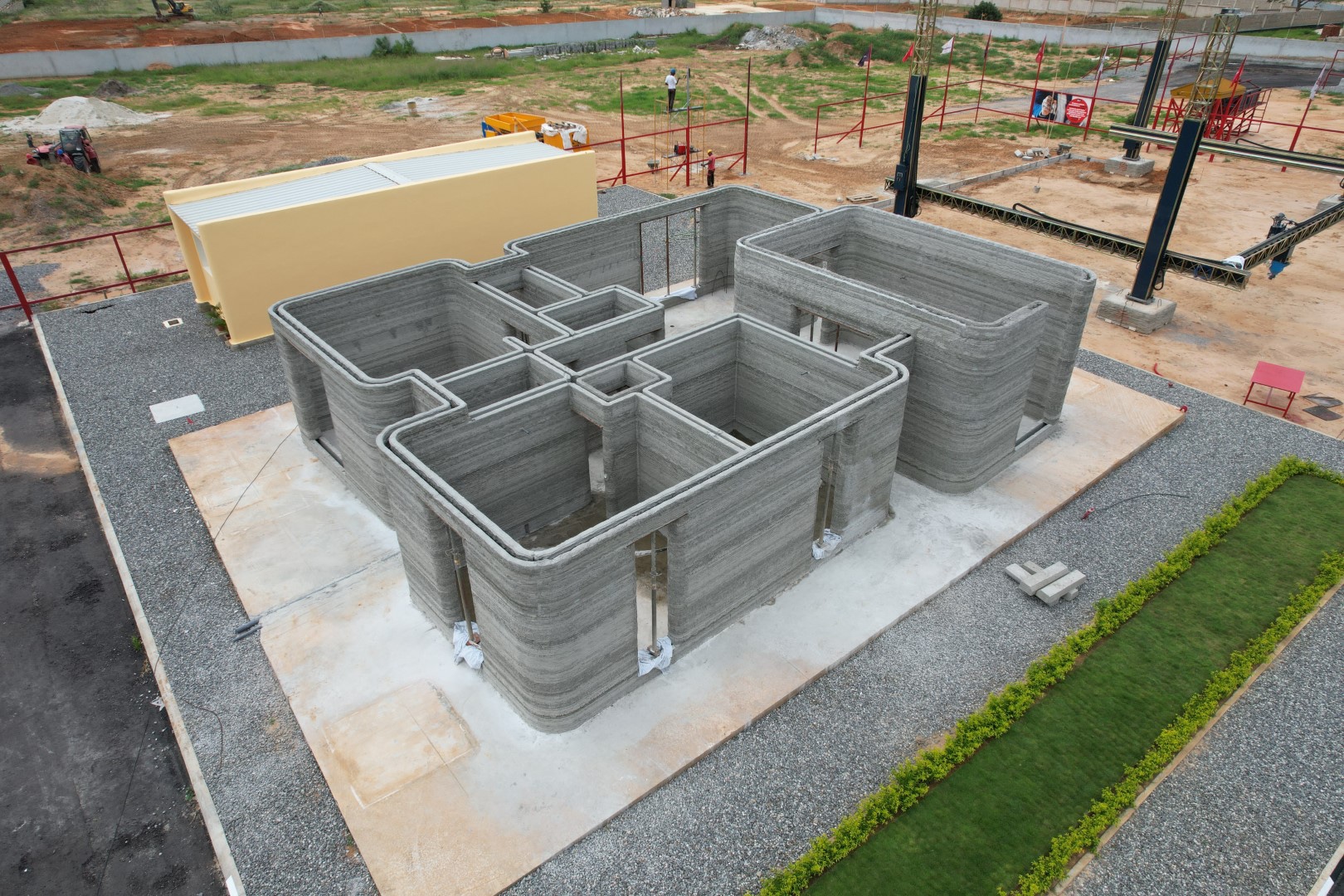
Power2Build, an Angolan additive construction company that works with investors to fund and build affordable homes, has completed its second project. Power2Build built both homes with Danish company COBOD's flagship BOD2 printer.

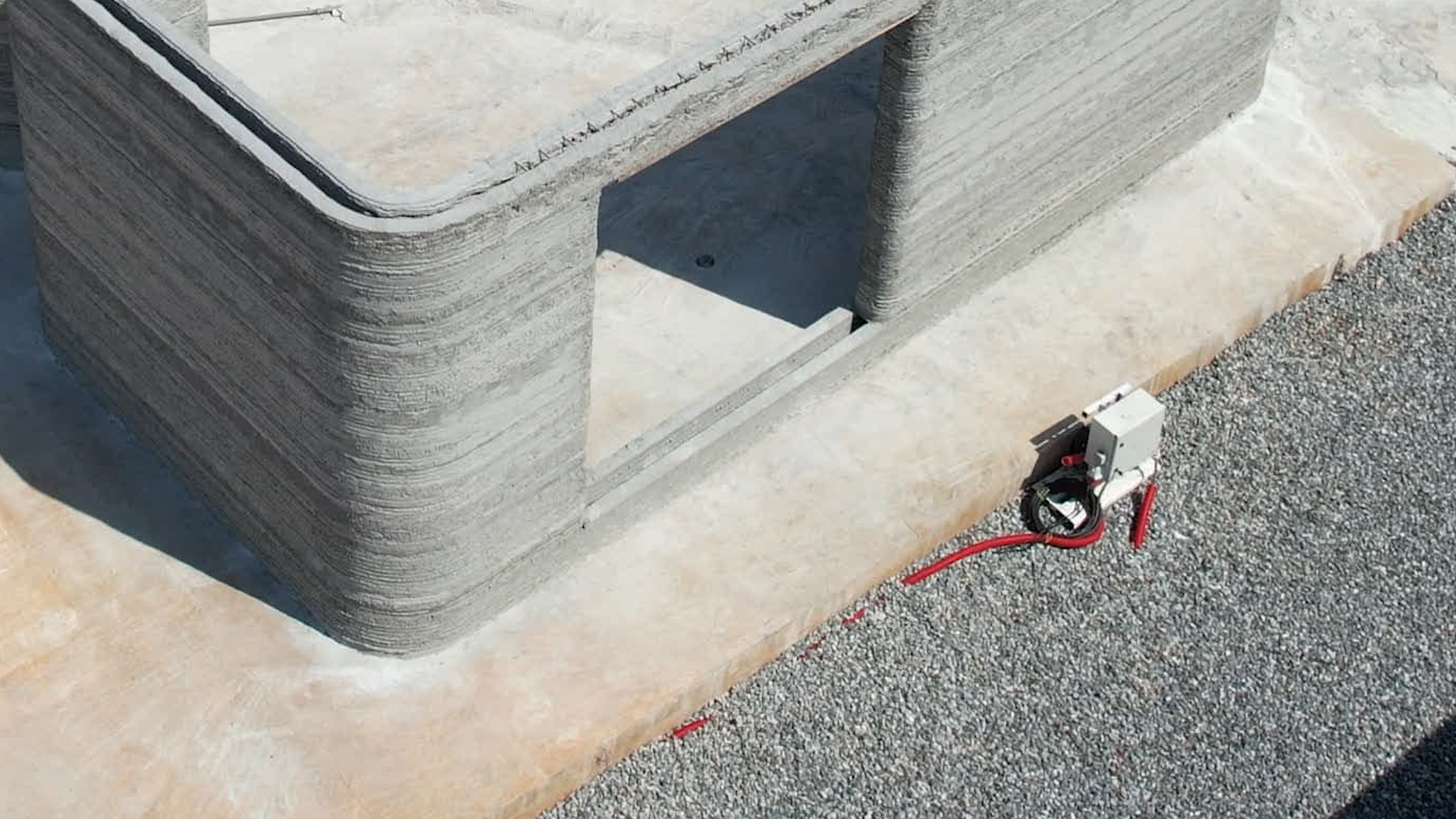
Moreover, on the first project, Power2Build was the first company to use COBOD's D.fab material, which the latter company developed in partnership with CEMEX, the Mexican building materials giant. On the latest project, Power2Build used the BOD2 and D.fab to build a home well over twice the size of the first: 140 square meters (about 1500 square feet). Power2Build also managed to decrease production time from 48 hours to 30 — a reduction of almost 40%.

The advantage to D.fab is that the Magic Mix supplied by COBOD only constitutes 1% of the total printing material. The remaining 99% is comprised of locally available, regular concrete, which, according to COBOD, can lead to savings of up to 90% compared to materials typically used in 3D printed construction.
As the company points out in the press release, it seems to have no competition in Africa yet, with COBOD responsible for all six of the continent's 3D printed buildings thus far. The BOD2 has been used to build not only Africa's first 3D printed homes, in Kenya and Angola, but also its first 3D printed schools, in Malawi and Madagascar. In the press release, COBOD also notes that its customer, 14trees — which built the first 3D printed school, in Malawi — will, later this year, start work on "a double-digit number" of residential projects in Kilifi, Kenya.
It's significant that sub-Saharan Africa and India appear to be emerging as two regions where additive construction could scale up quickly. For one thing, it suggests that regardless of preference, the technology's best chance to succeed is in the areas that need it most. A 2021 study estimated that the housing shortage in sub-Saharan Africa to be at almost 50 million homes, while the housing shortage in India is estimated to be at over 70 million. Obviously, additive construction alone couldn't fill those gaps. However, thanks in large part to COBOD, it's starting to display real potential as a powerful tool that might aid conventional construction in gradually narrowing the shortages.

Another thing we can take away, from the increasing adoption of additive construction in the places in most urgent need of more housing, is that nonprofit and government subsidies will probably play a critical role in the sector's scale-up. This has also been the case in North America, where, aside from the military, Habitat for Humanity is one of the biggest proponents of the technology. The likelihood that these types of subsidies will continue to grow is reinforced by the fact that there's still so much room to see faster decreases in cost by increasing investment in the industry. That means that funders of 3D printed construction projects will be able to see for themselves, multiple, multi-year reductions in costs and build-times that would be unachievable with conventional methods.

Images courtesy of COBOD

The post COBOD Customer Completes "Largest" 3D Printed Building in Angola appeared first on 3DPrint.com | The Voice of 3D Printing / Additive Manufacturing.

US Army Chooses MELD to 3D Print Metal Military Vehicles

Posted: 21 Jun 2022 06:00 AM PDT

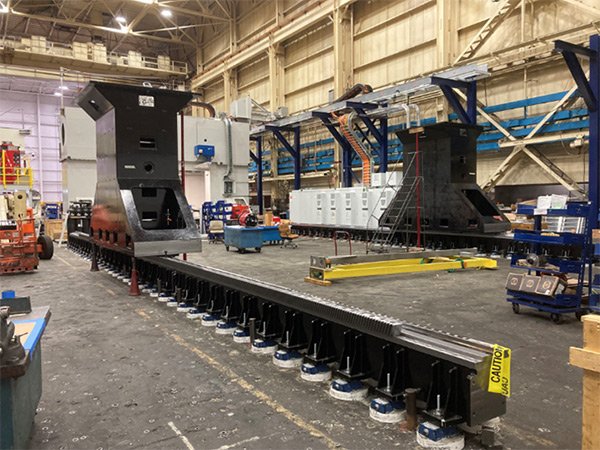
ASTRO America, the American Lightweight Materials Manufacturing Innovation Institute (ALMII), and the United States Army Combat Capabilities Development Command Ground Vehicle Systems Center (DEVCOM GVSC) have partnered to develop a large metal printer for the U.S. Army's Rock Island Arsenal. The printer will be made up of MELD’s Friction Stir Additive Manufacturing technique atop an enormous motion stage from Ingersoll Machine Tools.

The aim of this project is to industrialize the large scale manufacturing of military vehicles. Initially the focus will be on underbody hulls, traditionally hard to manufacture. Welds are key points of weakness in the hulls of tanks and armored vehicles. Specifically in Iraq and Afghanistan, US.. ground vehicles were particularly vulnerable to improvised explosive devices (IEDs) that flipped vehicles or penetrated them. It took far too long for the U.S. to up armor Humvees to resist IEDs. It took much longer to develop mine-resistant ambush protected vehicles that were much more resistant to IEDs through V-shaped hulls.

In wars against irregulars, the U.S. military is too slow to upgrade and improve its kit. If the insurgent can adopt new tactics and develop new IEDs quickly, then the U.S. needs to be able to adapt its vehicles quickly. The military is not set up to do this currently, with procurement being sluggish and cutting edge manufacturing technology not deployed in the most effective way possible.

Ingersoll, you may recall, has previously worked with ORNL to make a large-scale polymer 3D printer. This now serves as the basis for the new metal 3D printing system, which relies on Siemens industrial automation components. The MELD head applies heat of 60 to 90 percent of the metal feedstock to lay down tracks of 1 mm thick and 38 mm wide. In this project, an initial machine will make 1 x 1 x 1 m metal parts.

This is similar to Sciaky‘s electron beam process, wire arc additive manufacturing, and other directed energy deposition (DED) technologies. However, later on, the team will develop a machine with a build volume of 10 x 6.5 x 4 meters. This has perhaps been done on large truss structures for specialized military vehicles, but that is not a capability that has not yet been publicly disclosed.
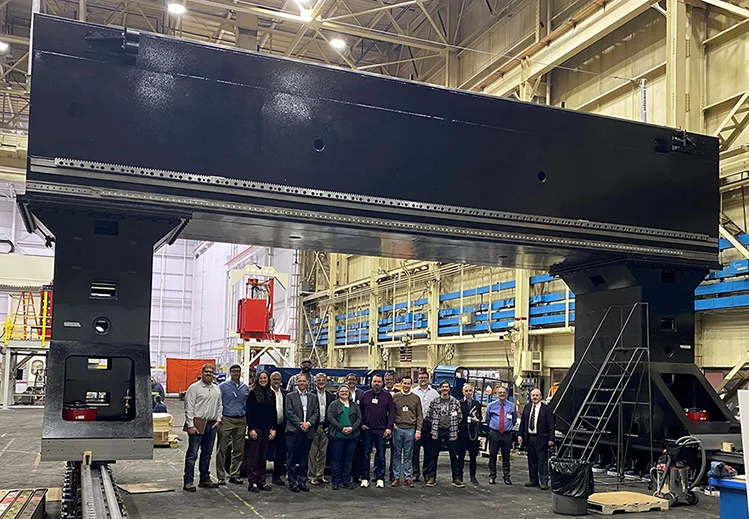
Jointless Hull project team standing under the the full-scale tool being manufactured. Image courtesy of SME.

The printer combines MELD with subtractive machining to finish the part, making it possible to scale up a relatively safe and cheap technology for large components. By relying on MELD, the team avoids having to try to build a football-pitch-sized heated chamber with powder and argon gas, which would be very dangerous if not cost-prohibitive. It also means that the process would work in the open air, without the need to come up with a complex method for heating a part or its surroundings, as some other DED solution would likely require.

Additionally, the team can use cheap feedstock. MELD is also said to achieve good part properties, via good grain structure, part strength and more. Therefore, fully dense parts that suffer less from cracking, porosity, and thermal stress are a possibility with this process.

This project is a huge win for ASTRO America, a brain trust of advanced 3D printing folks that is also involved in the AM Forward program announced by the Biden administration. The team includes LJ Holmes, who was previously at the U.S. Air Force Research Laboratory; Michael Maher who lead a number of key 3D printing projects at the Defense Advanced Research Projects Agency; former Defense Intelligence Agency officer Jason Gorey; and Pentagon manufacturing leading light Neal Orringer. ASTRO board member Jim Williams led Paramount Industries, a very early adopter of 3D printing for defense. The project is also a huge win for MELD, largely overlooked so far by many, but whose efforts in the defense establishment have been consistently nurtured by ASTRO.

This project is a concrete step towards making the U.S. more versatile against threats in the future. By focusing on 3D printing underbody hulls, this collective is pioneering valuable work for the U.S. military.

The post US Army Chooses MELD to 3D Print Metal Military Vehicles appeared first on 3DPrint.com | The Voice of 3D Printing / Additive Manufacturing.

Launcher Assembles Its First 3D Printed Spacecraft for Upcoming Mission

Posted: 21 Jun 2022 05:30 AM PDT

California-based space startup Launcher is assembling its satellite transfer vehicle and hosted payload platform Orbiter ahead of its first mission, SN1. This flight hardware is scheduled to hitch a ride on SpaceX's Falcon 9 in October 2022, carrying payloads for the company's first ten customers. As Launcher's first-ever spacecraft is getting ready for testing, the company revealed that everything in the assembly (except for the fasteners) was designed and manufactured in-house and that Velo3D's Sapphire 3D printing system produced the most challenging metal components.

When SpaceX SmallSat Rideshare Program carries Launcher's Orbiter satellite transfer vehicle and platform into space, it will deploy up to 400 kg worth of CubeSats and small satellites per mission and precisely place them into whatever orbit their owners desire. However, beginning in 2024, the company will also start offering its own launch service via a liquid-fueled rocket called Launcher Light that will carry 150 kg and 105 kg payloads into low Earth orbit (LEO) and sun-synchronous orbit (SSO), respectively.

Orbiter is the top end of the rocket's three-stage design and was supposed to be the last part of the vehicle to be developed. However, when SpaceX announced in early 2020 that it would begin selling payload space on its Falcon 9 rocket, the Launcher team realized they could make their satellite deployment system compatible with it and other launch platforms and decided to fast-track that part of the project.
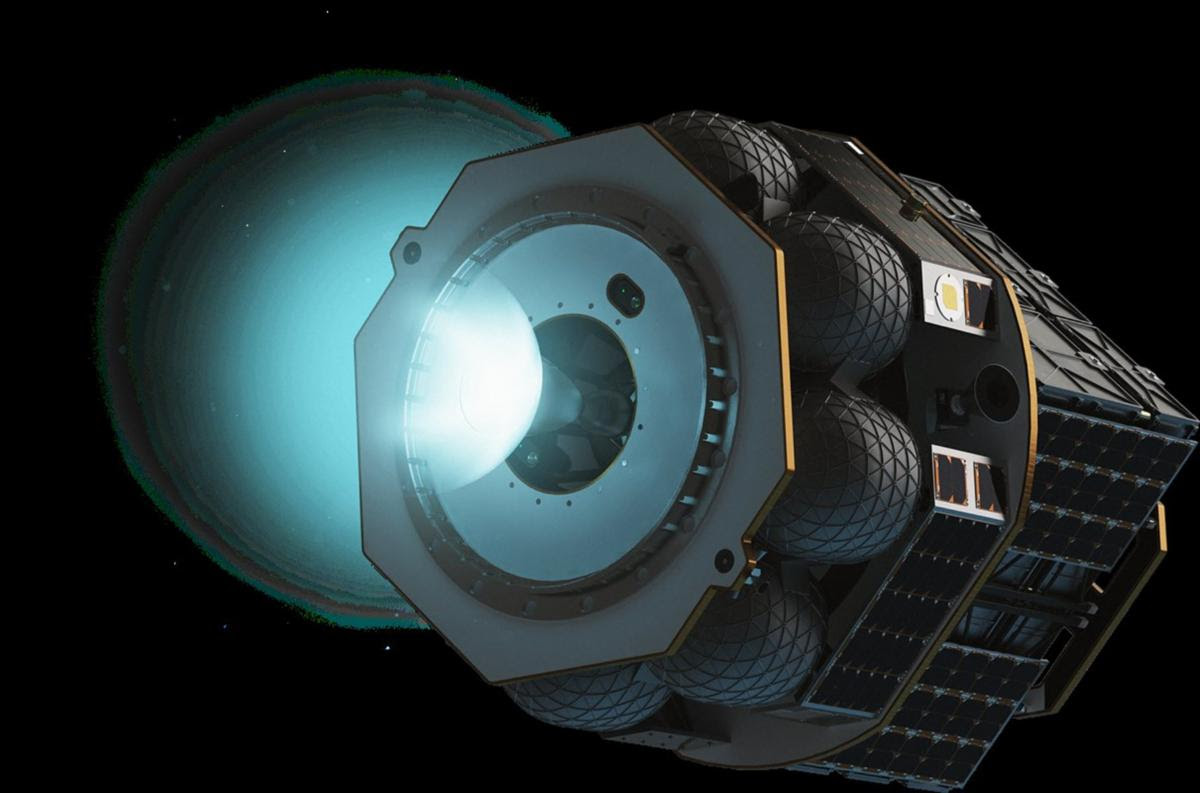
Launcher's Orbiter satellite transfer vehicle and platform. Launcher's Orbiter satellite transfer vehicle and platform, powered by 3D printed engines, will first hitch a ride with SpaceX in October. Image courtesy of Launcher.

Achieving a goal

For Orbiter's propulsion system, Launcher licensed the drawing of a rocket engine for a space-proven turbopump, then set about improving its design using additive manufacturing (AM) technology. When no metal AM equipment provider could produce many necessary components, the team, led by former SpaceX AM manager Tim Berry, turned to Velo3D.

As part of this new challenge, the first part Velo3D created for Launcher was the engine's shrouded impeller, an extremely critical and complex Inconel part that spins at 30,000 revolutions per minute (rpm) and must withstand more than 300 bar of outlet pressure, and is filled with notoriously hard-to-print zero-degree angle surfaces. However, Berry said his team was up for the task and ended up with a finished part that "exceeded all of our performance objectives."
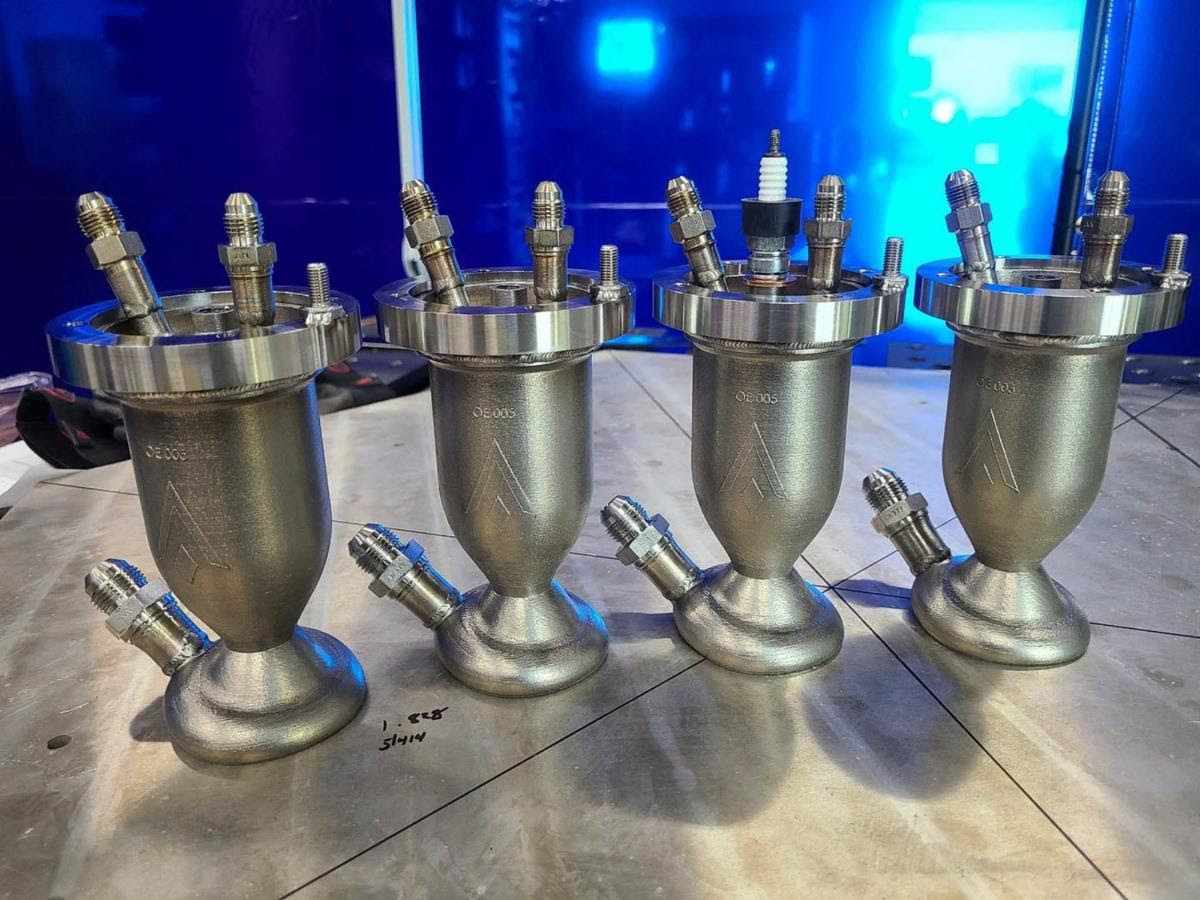
Four of Launcher's Orbiter engines, additively manufactured with Velo3D's technology. Four of Launcher's Orbiter engines are additively manufactured with Velo3D's technology. Image courtesy of Velo3D/Launcher.

Since then, Velo3D went from Launcher's subcontractor to a collaborative partner, especially now that Launcher has invested in its own AM equipment and other metalworking machinery. A move that Launcher founder and CEO Max Haot described as a game-changer, giving the company fast, flexible, and cost-competitive manufacturing advantages. This is crucial for a company that is determined to have its Orbiter spacecraft deliver the lowest cost in the industry for the highest propulsive capabilities. But to achieve that, it was critical for Launcher to have in-house design and manufacturing capabilities.

Berry says that "every time you buy a separation ring, propulsion system, or support structure from a third party, your costs and lead time easily rise by a factor of ten. So instead of the week or so it takes us to design an engine, print, and test it, we would spend maybe two or three months with an outside provider. It's prohibitive."

Until last year, Berry oversaw all AM production and development at SpaceX, including applications, process, and operations engineering, and managed one of the world's largest printer fleets spanning four platforms to support Falcon, Dragon, Starship, and Raptor 2 programs. So if anyone understands how to solve AM challenges in the private space industry, it's probably Berry.
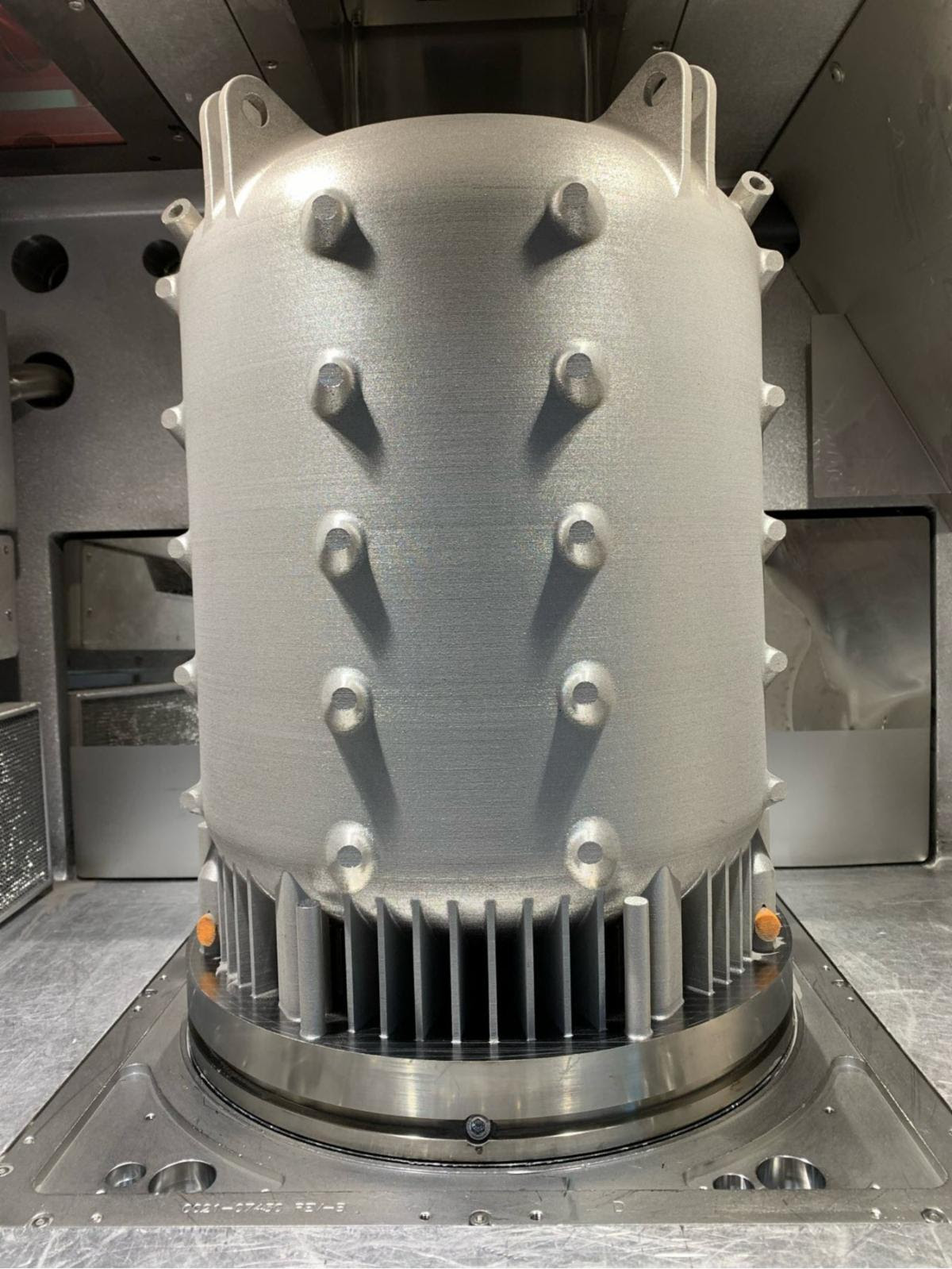
a just-completed titanium fuel tank in the build chamber of Velo3D's Sapphire. Launcher used Velo3D Sapphire metal AM system to manufacture a lighter-weight fuel tank. Image courtesy of Velo3D/Launcher.

The expert pointed to the fuel tanks as one typical example. He says that if anyone tries to shop around for a space-graded tank able to withstand 3,000 pounds per square inch (psi) of pressure, they will probably hear lead times of eight months to two years, especially if they are custom-made.

"That's not an option in our environment, so as with many of our components, we took the approach of designing based on our available tools," highlights Berry.

In this case, the Orbiter's 22-liter tanks match Sapphire's build volume, so Launcher began by printing the parts out of Inconel. Even though they performed pretty well, Berry and his team wanted to optimize the design by moving to lighter-weight titanium, which worked perfectly for the spacecraft.

"The Velo Sapphire, with its ability to reliably print complex geometry, made it very easy for us to pivot in the face of shifting priorities," said Berry. "That's a benefit of additive technology in general, but especially when you're using a highly-capable print platform."

Having in-house printing capabilities allowed Launcher to continually push for more aggressive designs and higher performance without sacrificing time and money. Today, the company is 3D printing a range of components on its Sapphire systems, including brackets and other secondary structures, combustion chambers, and injectors, all of them at the 24,000 square feet factory floor in Launcher's new Hawthorne, California headquarters. The company is even selling a low-cost, ready-for-integration, 24" separation ring (flight hardware developed in-house to separate Orbiter from the SpaceX Falcon 9) as a component to other startups.
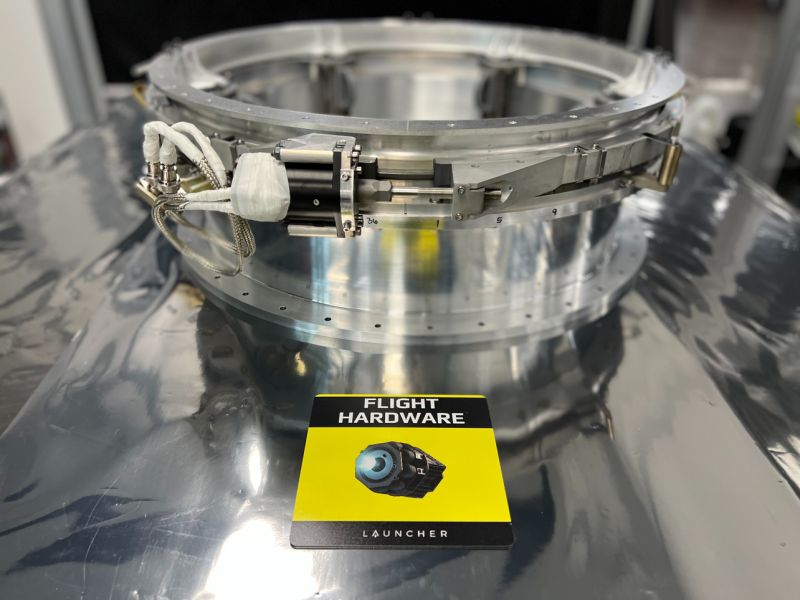
Launcher's in-house developed, low cost 24 Launcher’s in-house developed, low cost 24" separation ring for Orbiter. Image courtesy of Launcher via LinkedIn.

Space access

Now that Orbiter SN1 integration has begun at the company's clean room, it feels like its plans to provide space logistics are finally falling into place. This milestone for the company is a great example of how startups go "from 0 to 1," says Haot; from a research and development stage to a designed, produced, and assembled product in orbit with paying customers. Less than a month ago, Launcher released the list of customers for Orbiter's inaugural flight, including satellite developers Skyline Celestial, NPC Spacemind, and Innova Space, as well as student-run space research groups Cal Poly Pomona's Bronco Space and Stanford's Student Space Initiative.
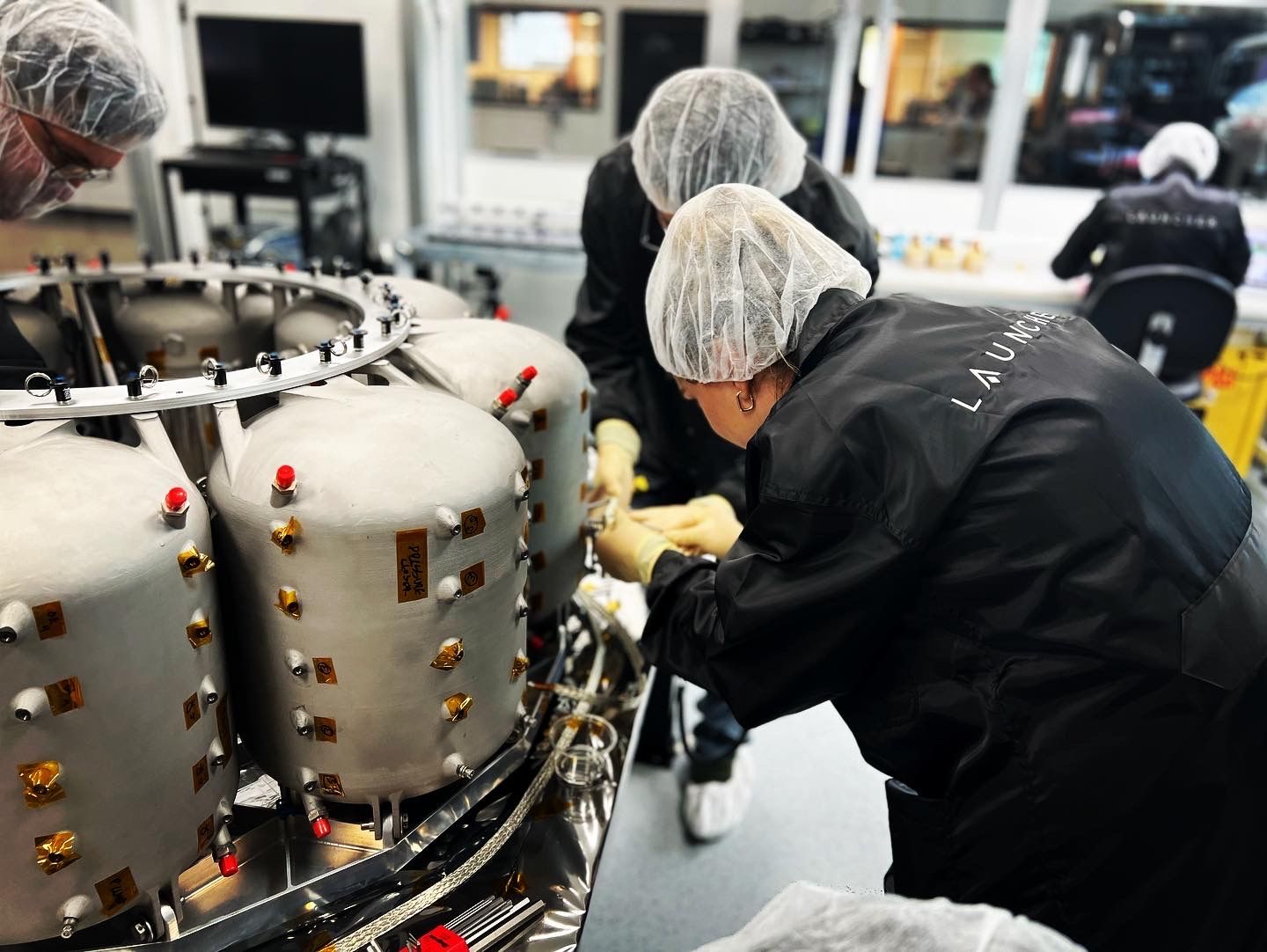
Launcher's Orbiter SN1 integration in progress. Launcher’s Orbiter SN1 integration in progress. Image courtesy of Launcher via LinkedIn.

Due to the in-house design and production of most of the structure, propulsion, and avionics components, Orbiter is offered to its customers at an industry-leading price of $400,000 per dedicated vehicle (excluding SpaceX flight cost). While launch and orbit transfer services are also provided to Orbiter rideshare customers at a per kilogram price of between $8,000 and $25,000 (including SpaceX flight cost), depending on the mission requirements.

According to Haot, the upcoming inaugural flight will illustrate a need for transfer and hosted payload services, one that shared resources available from Orbiter can provide very efficiently. With less than 110 days to go, the upcoming launch is one of the most exciting this year, especially for a company like Launcher, which adopted AM technology from the outset.

The post Launcher Assembles Its First 3D Printed Spacecraft for Upcoming Mission appeared first on 3DPrint.com | The Voice of 3D Printing / Additive Manufacturing.

GM’s New Cadillac CELESTIQ to Feature Over 100 3D Printed Parts

Posted: 21 Jun 2022 05:00 AM PDT

The Cadillac CELESTIQ is the wildest car name ever—like the name of a futuristic rocket vehicle from Spy Kids. It’s like a name for a space ship or a fever dream robot warrior. In all actuality, it will be a hand-built electrical vehicle (EV) from GM´s Cadillac unit and feature over 100 3D printed parts.

GM will invest $81 million to manufacture the car at its Global Technical Center. The vehicle will be built on GM’s Ultium Platform, which consists of a common architecture, including batteries, drive units, motors and electronics all underpinning Cadillac’s next generation of EV cars. The firm hopes to reap scale rewards from common components and manufacturing processes for EV assembly across different manufacturing sites.

"As Cadillac's future flagship sedan, CELESTIQ signifies a new, resurgent era for the brand. Each one will be hand-built by an amazing team of craftspeople on our historic Technical Center campus, and today's investment announcement emphasizes our commitment to delivering a world-class Cadillac with nothing but the best in craftsmanship, design, engineering and technology,” said Mark Reuss, president of General Motors.

The CELESTIQ will feature over a 100 3D printed parts, both metal and polymer, including structural and cosmetic components. The firm will also deploy 3D printing for jigs, fixtures, and other production tooling. This will help GM's Additive Industrialization Center scale its 3D printing prowess. Previously, GM’s Blackwing CT4-V and CT5-V cars featured one shifter piece, two ducting components, and a harness part, all made with 3D printing. The project also comes off the heels of a recent emergency usage of additive for 3D printed spoiler parts on GM SUVs.

"This investment is a great example of our commitment to GM's EV transformation as we apply our manufacturing expertise to a one-of-a-kind, ultra-luxury vehicle for the Cadillac brand. The advanced manufacturing technology and tools we are utilizing on CELESTIQ will help our team deliver the highest quality vehicles to our customers,” said Gerald Johnson, executive vice president of Global Manufacturing and Sustainability at GM.

We’re seeing a bit of a protracted 3D printing race between the car companies. For a long time, it seemed like BMW, Mercedes, and Volkswagen had a commanding lead over other businesses. Stellantis also has parts in production already. Generally, the US based firms were very far behind.

The European companies are also known to produce many 3D printed jig and fixture components worldwide. BMW revealed that it has produced over $1 million components using 3D printing. That company also used a 3D printed roof bracket for the i8 and had a Mini mass customization program that extensively used 3D printing. Volkswagen has also deployed the technology widely across the firm.

Mercedes probably has the most advanced capabilities in metal printing, due to its extensive Formula 1 involvement. Meanwhile, BWM´s polymer prowess is the most advanced, given the long time involvement that firm has had with powder bed and other technologies. Volkswagen, meanwhile, was ramping up investments in multiple brands to a hereto unseen level.

Now, GM is putting together a very public project managing to best them. Overall, 100 3D printed parts in a car is a significant public commitment. Additionally, relying on several additive technologies at once is complex. At the same time, it is also very advantageous in terms of understanding the technology. But, in terms of volume on existing passenger vehicles, the company has been bested already. I believe that some European automakers may actually have more parts in circulation.

I advocate that companies implement 3D printing in walled-off, manageable projects to see how the technology works. I’m not sure I’d ever want to commit to using these parts in public like this.  If 3D printed structural components are bearing loads continuously, they may be problematic. Given the high variability in part structure, depending on toolpaths and placement in the printer, parts can respond to stresses remarkably differently over time.

Currently, we’re in a time of electrification. This means that the time is ripe to change towards 3D printing as new platforms are made and put into production. Especially with tooling, we know that additive is cheaper and more versatile that competing technologies. On production parts, the technology is still too expensive on the whole. However, this can be fixed if car companies put enough volume behind 3D printed parts and couple this with smart automation.

On the whole, this is a very exciting project. We know from videos that GM’s Additive Industrialization Center has EOS, HP,  and Stratasys machines, as well as those from Formlabs. I can’t wait to see how other firms outdo GM with similar claims, projects, and showcases. I’d love for 3D printing to drive competition and showmanship by large car companies.

The post GM’s New Cadillac CELESTIQ to Feature Over 100 3D Printed Parts appeared first on 3DPrint.com | The Voice of 3D Printing / Additive Manufacturing.

3D Printing

3D Printing


Welsh AM Bike Firm Nabs Two More Victories

Posted: 21 Jun 2022 11:34 AM PDT

bikeWelsh mountain bike manufacturer Atherton Bikes has teamed up with AM-specialist Renishaw to produce bike components in order to keep them at a technological advantage. The Machynlleth-based company has been producing competitive mountain bikes for a while now. If you recall, we have covered the company before. The company has built mountain bikes that have […]

3D Printing Media Network – The Pulse of the AM Industry

3D Printing Media Network – The Pulse of the AM Industry


FreeFoam, a heat-expandable, 3D printable resin from Desktop Metal

Posted: 21 Jun 2022 12:08 PM PDT

Desktop Metal has just unveiled FreeFoam, a new family of photopolymer resins that produces durable, and dimensionally accurate, closed-cell foam parts without tooling – delivering never-before-seen benefits for the automotive, …

The post FreeFoam, a heat-expandable, 3D printable resin from Desktop Metal appeared first on 3D Printing Media Network - The Pulse of the AM Industry.

The AddUp Solution Center to officially open in Cincinnati, Ohio

Posted: 21 Jun 2022 04:37 AM PDT

AddUp is officially opening its North American AddUp Solution Center. AddUp started as a joint venture between Michelin and Fives in 2016, and is headquartered in Cebazat, France. The company’s …

The post The AddUp Solution Center to officially open in Cincinnati, Ohio appeared first on 3D Printing Media Network - The Pulse of the AM Industry.

Power2Build finishes largest 3D printed building in Africa

Posted: 21 Jun 2022 01:15 AM PDT

Power2build has finished its largest 3D printed building with a COBOD BOD2 construction printer, using the D.fab concrete solution from COBOD International and CEMEX, in Angola. The company intends to …

The post Power2Build finishes largest 3D printed building in Africa appeared first on 3D Printing Media Network - The Pulse of the AM Industry.

M2 Optics Inc. launches new 3D printing design and manufacturing service

Posted: 20 Jun 2022 07:19 AM PDT

M2 Optics Inc., a US manufacturer of customized fiber optic solutions for communications testing and networking applications, has launched a new 3D design and printing service business. The services will …

The post M2 Optics Inc. launches new 3D printing design and manufacturing service appeared first on 3D Printing Media Network - The Pulse of the AM Industry.

AITA rises to unite the Italian AM industry at upcoming PiùAdditive fair

Posted: 20 Jun 2022 04:14 AM PDT

3D printing is becoming increasingly popular in several different manufacturing, medical and consumer sectors. Meaning that, in everyday life, and perhaps without even knowing it, we are increasingly surrounded by …

The post AITA rises to unite the Italian AM industry at upcoming PiùAdditive fair appeared first on 3D Printing Media Network - The Pulse of the AM Industry.

Monday, June 20, 2022

3DPrint.com | The Voice of 3D Printing / Additive Manufacturing

3DPrint.com | The Voice of 3D Printing / Additive Manufacturing


rp+m 3D Printed the Seats for Boeing’s Starliner Spacecraft

Posted: 20 Jun 2022 06:30 AM PDT

3D printing service bureau Rapid Prototype and Manufacturing (rp+m) revealed via social media that a team of engineers at its Ohio headquarters had 3D printed the seats used by Boeing's Starliner spacecraft, which launched to the International Space Station (ISS) on an un-crewed NASA flight test on May 19, 2022, and safely returned to Earth six days later.

"May was a busy month for rp+m," reads the post on LinkedIn. "We are proud to have been a part of this monumental NASA – National Aeronautics and Space Administration and Boeing mission resulting in a successful starliner launch on May 19th and re-entry last week. Additive Manufacturing is 'actually' changing the world, friends!"

Furthermore, rp+m Additive Manufacturing Engineer Cameron Rogers didn't only confirm that the company was behind the 3D printed seats for the Starliner, but he also said rp+m printed "three different sets which varied slightly in size."

For the task, rp+m relied on Stratasys' fused deposition modeling (FDM) technology which works with specialized 3D printers and production-grade thermoplastics to build strong, durable, and dimensionally stable parts. Specifically, Tom Leach, the commercial leader for FDM at Stratasys, said the team had used the F900 large-build volume printers and ULTEM 9085 resin 3D printing material to make the seats.

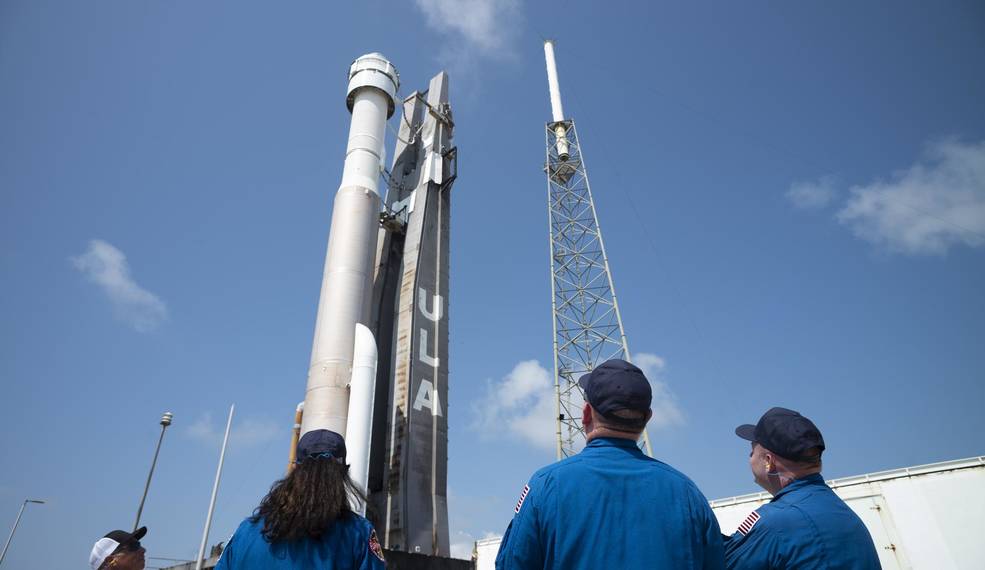
NASA astronauts watch as a United Launch Alliance Atlas V rocket with Boeing's CST-100 Starliner spacecraft aboard is rolled out of the Vertical Integration Facility to the launch pad ahead of the Orbital Flight Test-2 mission at Cape Canaveral.

NASA astronauts watch as a United Launch Alliance Atlas V rocket with Boeing's CST-100 Starliner spacecraft aboard is rolled out to the launch pad ahead of the Orbital Flight Test-2 mission. Image courtesy of NASA/Joel Kowsky.

Manufactured by Boeing, the Crew Space Transportation (CST)-100 Starliner is a class of two partially reusable spacecraft designed to transport crew to the ISS and other low Earth orbit (LEO) destinations as part of the aerospace giant's contribution to NASA's Commercial Crew Program. Along with SpaceX, Boeing was tasked with building a spacecraft to replace the Space Shuttle and free the U.S. of its decade-long reliance on Russian Soyuz capsules to access the orbiting station.

SpaceX gained ground after launching its first crewed mission aboard the Falcon 9 rocket in 2020 and is now regularly flying crew to the ISS. Boeing, however, has encountered a series of problems as it tries to get Starliner up and running for actual crewed missions.

This last test flight, known as Orbital Flight Test 2 (OFT-2), is a redo of the OFT-1 test, which launched in December 2019 but ended prematurely after the Starliner malfunctioned due to software adversities that caused the capsule to burn through propellant shortly after launch, failing to reach the ISS.

Boeing addressed the issues and got Starliner ready to launch on OFT-2 in the summer of 2021, but preflight checks shortly before the planned liftoff revealed 13 stuck valves on the capsule's service module propulsion system that were not responding to commands. Since Aerojet Rocketdyne is the official hardware supplier for the Starliner's service module propulsion system, the two companies have clashed over the defective fuel valves, stated a recent Reuters report.

Since then, Boeing spent roughly eight months working on solving the issues that delayed the flight. Once the valve issue on the spacecraft was resolved, OFT-2 finally got off the ground. That was great news for the rp+m team, which finally got to witness its 3D printed seats in orbit.

Aboard the seat was "Rosie the Rocketeer," Boeing's anthropometric test device named after World War II's Rosie the Riveter as an ode to the women who have blazed a trail in aerospace and human spaceflight. Rosie was strapped into the Starliner for its flight test, this time to help the spacecraft maintain its center of gravity throughout the various phases of the flight.

"She is a 180 pound test device in European tan that is meant to represent the 50th percentile of human dimensions in height and weight," said Melanie Weber, the subsystem lead for Crew and Cargo Accommodations on the Commercial Crew Program. "Rosie's first flight provided hundreds of data points about what astronauts will experience during flight, but this time she'll help maintain Starliner's center of gravity during ascent, docking, undocking and landing. Even the car you drive must maintain its center of gravity or it could rollover."

For OFT-2, spacecraft data capture ports previously connected to Rosie's 15 sensors were used to collect data from sensors placed along the seat pallet, which is the infrastructure that holds all the crew seats in place. The sensors can capture data to characterize the motion of all four crew seats, explained Crew Module Chief Engineer Dan Niedermaier.

Wearing a Boeing blue spacesuit and red polka dot head scarf, Rosie also sported a matching face mask hand-sewn by 95-year-old Mae Krier, a real-life Rosie who helped build planes in a Boeing factory in Seattle when she was 17 years old.

The Starliner anthropometric test device, Rosie the Rocketeer, wore a hand-sewn Rosie-themed COVID-19 mask and an autographed Rosie scarf during the Starliner capsule's Orbital Flight Test 2.

The Starliner anthropometric test device, Rosie the Rocketeer, wore a hand-sewn Rosie-themed COVID-19 mask and an autographed Rosie scarf during the Starliner capsule's Orbital Flight Test 2. Image courtesy of Boeing.

Boeing's contract with NASA covers the unpiloted OFT-1 and OFT-2 missions and a Crew Flight Test expected to launch with two astronauts, Barry "Butch" Wilmore and Suni Williams, late this year or early next year. The first crewed test flight will lift off atop a United Launch Alliance Atlas V rocket from Space Launch Complex-41 at Cape Canaveral Space Force Station in Florida, just like OFT-2.

Once the test flights are completed, NASA will begin the final process of certifying the Starliner spacecraft and systems for crew missions to the space station. Regular, long-duration commercial crew rotation missions enable the agency to continue the research and technology investigations aboard the orbiting laboratory and lay the groundwork for future exploration of the Moon and Mars.

The post rp+m 3D Printed the Seats for Boeing’s Starliner Spacecraft appeared first on 3DPrint.com | The Voice of 3D Printing / Additive Manufacturing.

Prototek Adds Polymer 3D Printing Capabilities with ProtoCAM Purchase

Posted: 20 Jun 2022 06:00 AM PDT

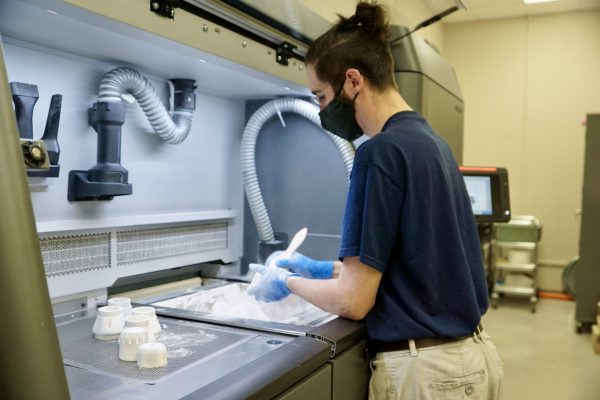
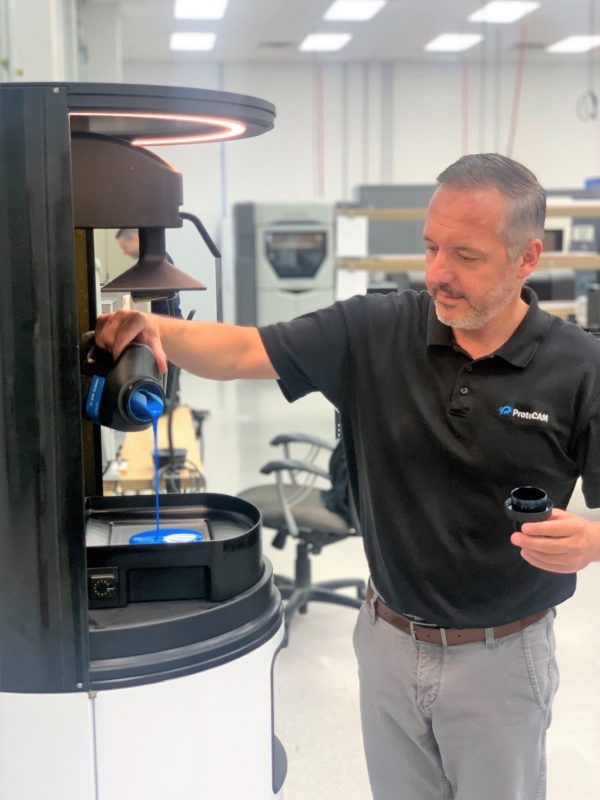
Rapid prototyping company Prototek Holdings has purchased Allentown, Pennsylvania-based ProtoCAM Additive Manufacturing. The company will be integrated into Midwest Prototyping, which Prototek acquired last year.

John Pless, Partner at TruArc Partners and a Director of Prototek, said about the acquisition:

"The addition of ProtoCAM is another step toward achieving our ongoing goal of creating a platform able to meet customer demands in an Industrial 4.0 world. Our vision is a one-stop digital manufacturing solution with superior levels of quality and service. ProtoCAM is well suited to further that vision."

ProtoCAM will add polymer 3D printing capabilities to the Prototek firm, including more SLA and HP’s MJF capacity, as well as FDM. The current ProtoCAM team will be kept in place.

Steve Grundahl, Vice President of Additive Manufacturing, Prototek, stated,

"Ron and his team at ProtoCAM have been longtime friends to Midwest Prototyping and myself. As we set out to create a nationwide network of best-in-class additive manufacturing, ProtoCAM was at the top of our list in the East. We share a remarkably similar culture and customer focus and I can't imagine a better partner to join us in our effort to build out Prototek's 3D printing offering."

Ron Belknap, Founder and CEO of ProtoCAM, said,

"We've been successful in steadily growing our business for years, but I knew that to grow the company the way I wanted and to offer my team more career opportunity, I needed a strategic partner. I've admired Steve and Midwest Prototyping since first meeting him over 20 years ago. We're 'Old Dogs' in this business and share a passion for additive manufacturing and for our customers, so when Steve reached out to me about joining Prototek with Midwest, I knew it was the right move. I'm excited to see where we go from here."

ProtoCAM was founded in 1994 and is a strong regional player in 3D printing as well as casting. The company offers urethane and wax casting, as well as SLA casting via 3D Systems´ QuickCast technology. The latter can be used for investment casting, offering a faster turnaround than traditional investment casting patterns.

This acquisition is part of an expected consolidation of the 3D printing and on-demand manufacturing market. When we spoke to Steve Grundahl last year, it was already apparent that Prototek was on the path to more acquisitions. The company has investors behind it and is essentially doing a roll up strategy for 3D printing and CNC services, though the markets for these are very fragmented. Companies are regional or local and tend to have strong local business relationships, but are unable to leverage these to go national or international. Players are also often constrained by their ability to seek financing since they are too old for VCs as businesses, but a little too new for many banks. There is a strong case to be made for a truly national US on-demand manufacturing firm, especially with the focus now more on “made in America,” and the Ukraine war, and a more aggressive China making the case for more, stronger manufacturing in the US. Less supply chain interruptions and more true American manufacturing independence, especially for defence spending, seems like a good bet.

At the same time, the current state of SPACs, the ebb of the deal flow in new SPACs and VC funding, as well as the economic outlook, all give independent operators pause. Expanding fast now, and finding cash now, will be hard, and the companies would have to wait a long time for valuations to increase again. So it seems like a good time to sell up for a lot of people. A national on-demand 3D printing champion will be a strong candidate for a lot of DoD business and could leverage advertising and online clout to become a truly national player. A strong national 3D printing service would also be an almost irresistible morsel for Precision Castparts once they come to their senses. Other manufacturing firms could also be very interested in acquiring a fast moving, growing portion of a diversified manufacturing firm when the time comes to flip Prototek. So this is a future anticipated, and we would expect Prototek to be on the warpath again to outgrow Protolabs and others vying for industry dominance.

The post Prototek Adds Polymer 3D Printing Capabilities with ProtoCAM Purchase appeared first on 3DPrint.com | The Voice of 3D Printing / Additive Manufacturing.

Catching Up with Braskem at RAPID + TCT: Expanding Available Additive Materials

Posted: 20 Jun 2022 05:30 AM PDT

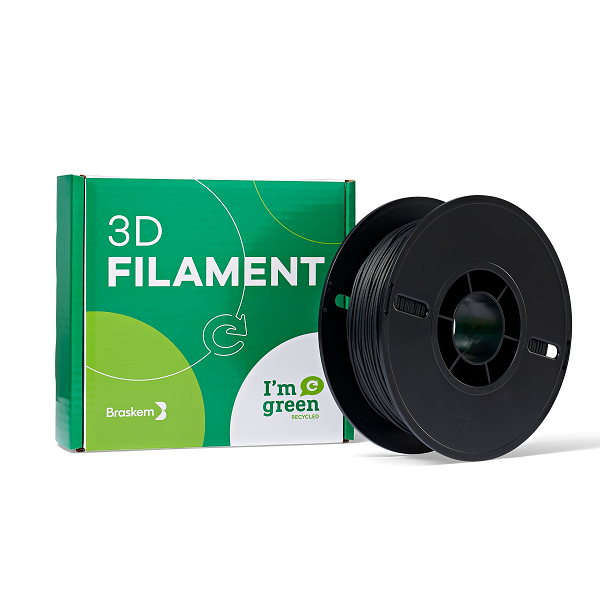
During the COVID-19 outbreak, there was one important multinational that jumped into the additive manufacturing (AM) industry without the typical fanfare. This was Braskem (NYSE: BAK), the largest petrochemical company in Latin America and the largest polyolefins producer in the Americas.

To make a more official entrance into the sector, the company attended RAPID + TCT, where it displayed a broad range of polyolefin and biopolymer materials for 3D printing. 3DPrint.com caught up with Jason Vagnozzi, Braskem Global Commercial Director of Additive Manufacturing, to learn more.

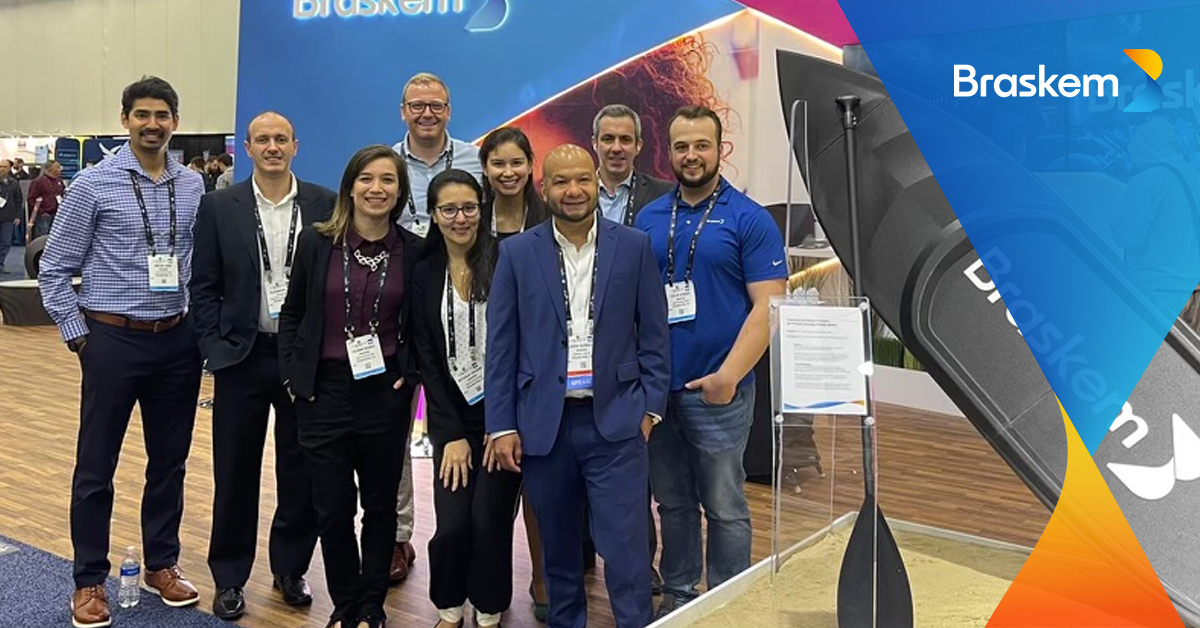
The Braskem team at RAPID

At the event, the firm presented polymers for a diverse set of 3D printing processes, including fused filament fabrication (FFF), selective laser sintering (SLS), and high-speed pellet extrusion. Among them was a new line of sustainable materials. Vagnozzi walked us through the portfolio as he answered our questions.

"In 2018, we put a squad together to see what’s going on with additive manufacturing. For us, we saw a mega trend. We said, 'The only way we’re really going to figure this out is to get involved,'" Vagnozzi said. "Fast forward two years and we launched our first line of filaments. That was April 2020. Then, in the 24 months since, we’ve launched 14 of different products, mostly filaments pellets and powders."

Braskem's Sustainable 3D Printing Filaments

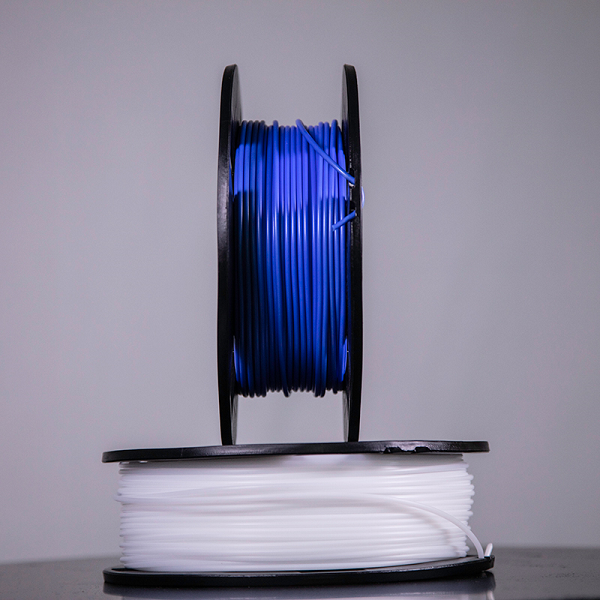
Of particular importance were the sustainable materials. Humanity has essentially reached peak resource while pushing the ecosystem past its limits in terms of biodiversity loss and greenhouse gas emissions. For those reasons, it's essential to immediately shift to a less resource intensive way of living. Braskem's solution is a new line of filaments, beginning with raw sugarcane-based ethylene vinyl acetate (EVA), as well as recycled polyethylene and polypropylene (PE/PP) blended filaments with, or without, carbon fiber.

The sugarcane-based FL600EVA-BIO is an extremely flexible material with properties somewhere between a thermoplastic elastomer and a thermoplastic polyurethane (94 Shore A hardness, elongation at break > 500%). About 87 percent comes from sustainable source materials, with the remaining percentage made up of materials to make it more durable and easier to process. This material comes from Braskem's bio-based polymer manufacturing operations in Brazil, where the company has spent more than a decade harvesting raw sugarcane for injection molding plastic. It's pitched as being ideal for consumer, packaging, and industrial markets.

Recycled Polyolefin Filament with Carbon Fiber

As for the recycled PE/PP, Braskem relies on suppliers of mechanically recycled plastic, which undergoes an internal audit to ensure that the materials meet the company's quality standards. FL600R is made up of 90% recycled bottlecaps, as is its counterpart, FL605R-CF, with the addition of recycled carbon fiber reinforcement. Both are low-density plastics with the water, chemical, and impact resistance found in virgin polyethylene and polypropylene. FL605R-CF is obviously stronger and more durable than the non-reinforced variety.

The price of oil has fluctuated wildly since COVID began and, due to the lack of easily accessible fossil fuels, seems to be heading toward permanently higher oil prices. I asked if the high cost of oil played a role in Braskem's decision to pursue more renewable materials. Vagnozzi replied:

"I would say it’s driven more by consumer preference and everything we’re seeing from an [environmental, social and governance] perspective. These themes related to global warming, sustainable plastics, single-use plastics. We identified this as a megatrend way before the increase in oil prices. This was going to be on our strategic roadmap, regardless of what happened in the short-term. If you look back in history at oil prices, you find it has always been very cyclical. It has always been a historical risk for the chemicals industry, as a whole. This move [into sustainable materials] is more about what the right thing to do is from a society perspective. To that end, Braskem is committed to a carbon-neutral circular economy where nothing is wasted, and everything is transformed. We are aiming to expand the company’s recycled content product portfolio to sales of 300,000 tons by 2025 and 1 million tons by 2030."

Braskem's 3D Printing Strategy

With the company's history as a producer of PP, PE, and PVC, Braskem aims to expand the available materials in the additive market.

"In order for the market to accelerate, our clients or their downstream end users need materials that are used every day. Polypropylene and polyethylene are some of the most widely used polymers in the world, yet it was limited in 3D printing until now," Vagnozzi said.

Jason Vagnozzi

On display at the Braskem booth were a wide variety of these materials in various forms. This included:

Filaments

  • 100 percent PE (FL300PE)
  • highly printable PP filament (FL105PP)
  • carbon fiber reinforced PP (FL900PP-CF)
  • a glass fiber-reinforced PP (FL500PP-GF)

Pellets

  • PP co-polymer (GR105PP)
  • Carbon fiber reinforced PP (GR900PP-CF)
  • Glass fiber reinforced PP (GR500PP-GF)
  • Recycled PP/PE with carbon fiber (GR605R-CF)

Powder

This is just the beginning for the Brazilian giant. Being comparatively unknown to the additive manufacturing market, Braskem will continue to partner with existing companies like ALM for powders, Ultimaker for filaments, and Titan Robotics for pellets. Speaking of the SLS material, Vagnozzi said, "This was our first foray into powder. What you’re going to see from us over the next 24 months is an expanded powder portfolio. Now that we've cracked that basic code, we’re going to quickly accelerate, iterate, and bring in more materials."

As it does so, Braskem may also play a role in consolidating the materials industry, Vagnozzi revealed.

"One of our views is that there are a lot of startups. The materials market is highly fragmented. It takes money to get that sort of quality assurance. If you don’t have the backing of a large corporate entity like Braskem, some of these smaller players are going to struggle to deliver the quality that Braskem is offering. One of the benefits of Braskem as a corporate entity is the financial backing that allows us to really accelerate quickly and do some innovative, creative things around biowaste."

In other words, AM materials businesses may want to keep an open line of communication open with Braskem, as they may be interested in performing some market consolidation. Otherwise, keep an eye out for more materials from the Brazilian chemical company, as we can expect a lot more from Braskem in the near future.

The post Catching Up with Braskem at RAPID + TCT: Expanding Available Additive Materials appeared first on 3DPrint.com | The Voice of 3D Printing / Additive Manufacturing.

Revisiting 3DPrint.com’s Bioprinting Zone: An Evolving Startup Landscape and World Map

Posted: 20 Jun 2022 05:00 AM PDT

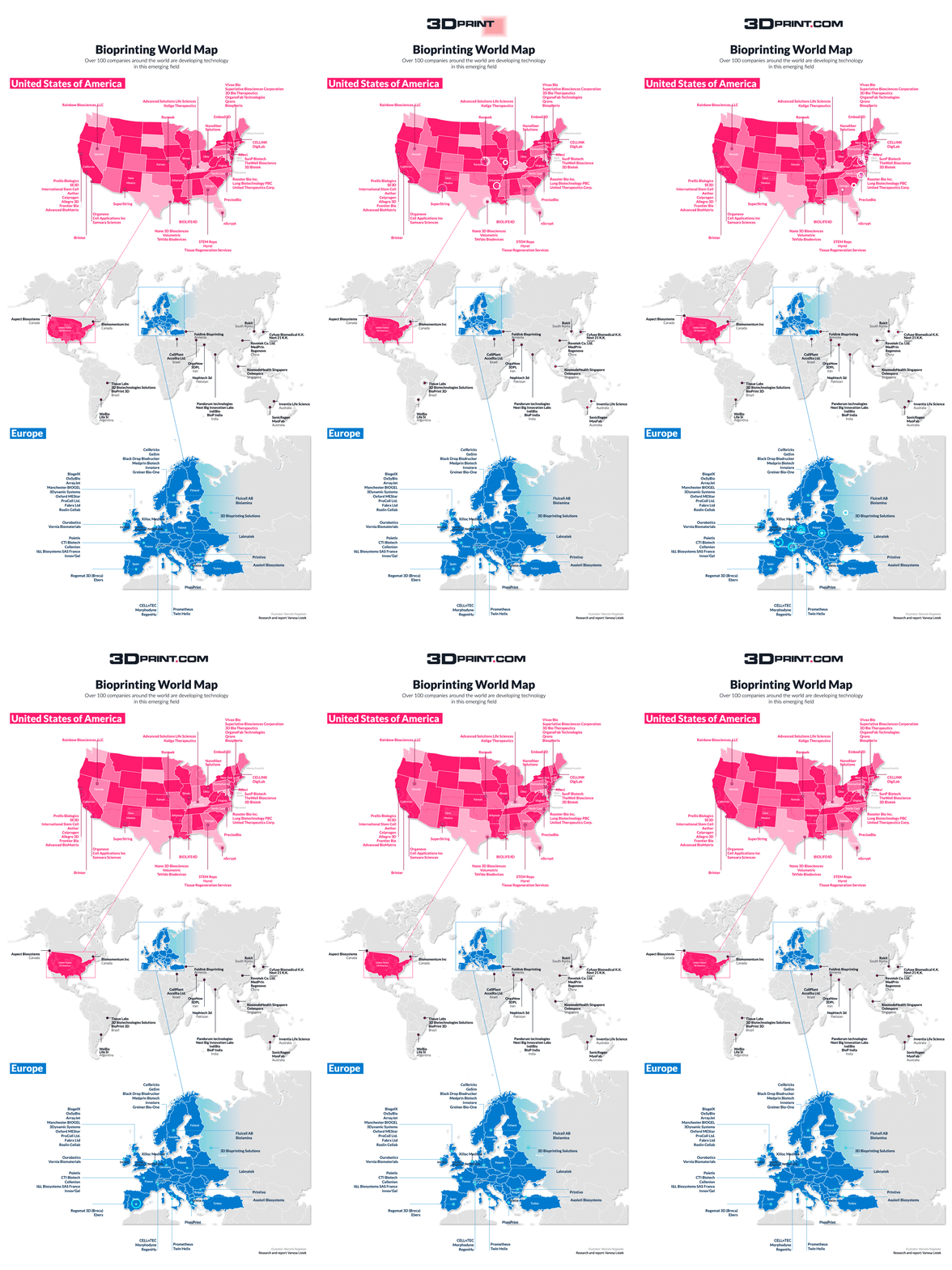
Ever since 3DPrint.com created the Bioprinting Zone and published the first world map of bioprinting companies in June 2019, things have changed a bit. Not only did many businesses succumb to the economic shock of the Covid-19 pandemic, but several others were also acquired by bigger companies, changed their names, and even moved to another country. So, with quite a few changes in the bioprinting realm, it might be a good time to revisit our map and the industry's evolution.

Bioprinting is very much tied to the groundbreaking research done by academia, institutions, and the medical community. Only a handful of firms began commercializing bioprinting technology ten years ago. Pioneering the segment was Organovo, a company created in 2007 that was on the cusp of commercializing tissue patches for the treatment of liver disease and is now struggling to survive.

Around that same time, other businesses emerged, like Switzerland-based regenHU, which unveiled new products until 2020 but ran into several problems keeping afloat. Other front runners such as DigiLab and Cellink have changed their names to Cellular Life Sciences and BICO (STO: BICO), respectively, but managed to remain at the forefront of the private bioprinting industry, creating some of the most sought after machines in the market.

Actually, BICO has become a powerhouse. After rebranding in 2021, net sales grew by more than 600%, driven by a spree of mergers and acquisitions (M&As) as well as its own organic growth. The strategy to acquire complementing technologies to cover the entire bioprinting workflow began in 2018, when BICO took over the German provider of automated liquid handling instruments, Dispendix. Following that first move, the company acquired 12 other startups, including Allegro 3D.

But even though business seems flawless at BICO, news of an internal rift that started after the departure of one of the company's co-founders and Chief Financial Officer (CFO), Gusten Danielsson, has agitated the waters a bit. In late April 2022, Danielsson, responsible for strategizing BICO's economic direction, said CEO Erik Gatenholm was "no longer the right leader for the company, even if he remains a controlling shareholder." The internal battle is not over yet, but that hasn't seemed to stop the company from moving forward with its strategy.

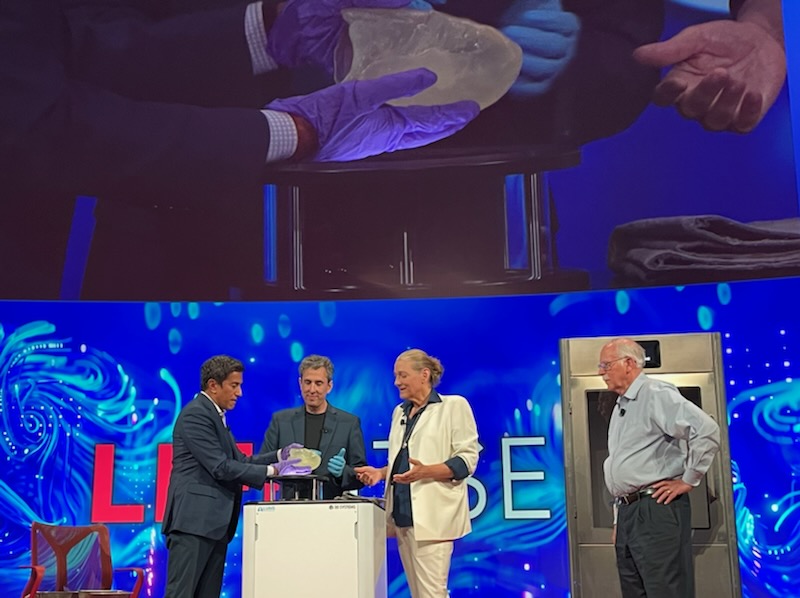
Left to right: Sanjay Gupta, Mark Hodosh, Martine Rothblatt and Chuck Hull.

Sanjay Gupta holding the 3D printed lung scaffold. Left to right: Sanjay Gupta, Mark Hodosh, Martine Rothblatt and Chuck Hull. Image courtesy of 3D Systems.

One of the most strategic moves in the industry came from 3D Systems (NYSE: DDD). Although the company's strong suit is its broad portfolio of industrial additive manufacturing solutions for plastic and metal parts, 3D Systems has an established reputation in the medical field. But now, it is diving further into the bioprinting space.

Over the last years, a staggering demand for bioprinting and regenerative medicine led AM pioneer and 3D Systems co-founder Chuck Hull to establish a bioprinting unit within the company. Currently serving as Chief Technology Officer for the company, the 81-year-old inventor and his team have made strides in the last two years. Following a successful collaboration with biotech firm United Therapeutics Corporation (NASDAQ: UTHR) and Lung Biotechnology PBC, its organ manufacturing subsidiary that began in 2017, the companies extended their partnership. In June 2022, they even showcased a fully printed human lung scaffold at the CNN-sponsored Life Itself conference. This exciting milestone represents one of the most complex objects ever printed and what Hull describes as "the culmination of our efforts with United Therapeutics." As part of their collaboration, the duo is already working on developing two other organs, kidneys and livers.

Reassessing our bioprinting world map

As part of our original research of bioprinting companies, we amassed a database that encompassed a spectrum of different bioprinting businesses in a wide range of countries. In 2019, we reported that the U.S. was the leading force, with 39% of the companies headquartered in 18 states. Today, the country is still the leader in the bioprinting industry, with 40% of the companies based in 16 states. In addition, Canada is home to three large bioprinting companies, making North America the leading region for emerging bioprinting companies.

The European continent follows with 38% of the companies (in 2019, that number was 35%), followed by Asia with 17% (a number that remains stable from 2019), Latin America with a mere three companies, and Australia (representing Oceania) with just one. Countries like the U.K., Germany, and France continue to absorb most of the business, just like in 2019. Similarly, China remains the region's driving force in Asia with four companies, except that now, India, Iran, and Israel also have their startups working on bioprinting hardware, software, and materials.

A few countries have lost many bioprinting companies since 2019; namely, Italy, Australia, and Ireland, each witnessing at least two startups closing. For example, both Ourobotics and Vornia Biomaterials shut down in Ireland, leaving the scene without any bioprinting companies. Similarly, in Italy, we couldn't find one bioprinting business, even though it used to have three. Today Australia, one of the most innovative countries behind bioprinting research (mostly at universities and hospitals), only has one bioprinting startup, Inventia Life Sciences.

No matter how much the landscape changes for the bioprinting industry, we continue to see many of its players thrive and new ones emerge. While still quite a niche sector, it is a reckoning force that can lead to incredible breakthroughs. Although the ultimate goal of bioprinting organs for human transplant is still a long way away (experts estimate between 15 and 20 years before clinical trials even see the light of day), the fact that we continue to witness bioprinting companies laying the groundwork for what is to come is fascinating. Our bioprinting world map may have changed in the last three years, but we expect it to change even more as the industry moves from the niche to the masses in the coming decades.

The post Revisiting 3DPrint.com’s Bioprinting Zone: An Evolving Startup Landscape and World Map appeared first on 3DPrint.com | The Voice of 3D Printing / Additive Manufacturing.

New 3D Printing Industries: Nuclear Industry

Posted: 20 Jun 2022 04:30 AM PDT

The nuclear power industry is often overlooked. If we talk about nuclear power it’s usually a discussion about whether it is the solution to our climate change woes or an inherently dangerous technology. Nuclear power is always associated with risk due to Fukushima and other nuclear accidents. The industry results in some of the most technologically advanced, complex and expensive construction projects that humankind undertakes. Right now there are 53 nuclear power plants under construction. Each one costs around $5 to $9 billion to build. In some cases cost overruns have doubled cost estimates. Now with rising interest rates, these expensive plants will be a bit less likely, and the cost to build plants per kilowatt far outstrips that of other sources of energy. Nuclear is a very efficient power-generating technology overall however, and gives countries energy independence that doesn’t depend on the weather. There are around 440 operational nuclear reactors in existence right now and the maintenance on them is also a substantial business. Companies such as TerraPower have also reinvigorated the market by offering newer nuclear technologies. Meanwhile, industry giant Toshiba has been in a state of financial discombobulation due to its purchase of the Westinghouse nuclear business.

The future of nuclear is far from assured. But, it is still going to be a considered technology and if it could be safe, would solve all of our energy problems. We’re already seeing a lot of things happening with 3D printing in the nuclear industry.

The University of Pittsburgh looked at making AM more efficient specifically for the nuclear energy industry. GE and Hitachi cooperated on a similar project to reduce the costs of AM. At Purdue, researchers are trying to 3D print microreactors. Also, Desktop Metal´s printers are being used to print silicon carbide parts for the Ultra Safe Nuclear Corporation (USNC).

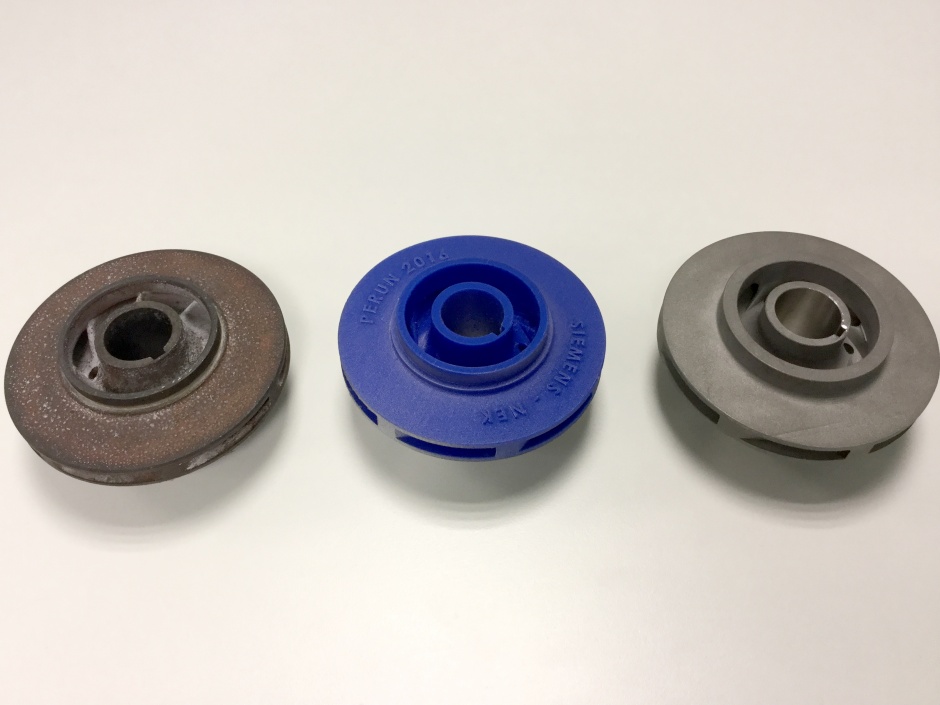
From left to right, the original, obsolete impeller; the 3D printed prototype; and, the resulting 3D printed replacement part (Image: Siemens)

Siemens has installed at least one 3D printed part on a working nuclear power plant. First announced in 2017 for Slovenia´s KrÅ¡ko Nuclear Power Plant (NEK), these parts are helping to reduce maintenance costs. The first Siemens part was a 108 mm diameter metal impeller for a fire protection pump. The impeller´s manufacturer was out of business, making this an excellent case for the part to be 3D printed.

Westinghouse in turn has also 3D printed components for reactors. The firm demonstrated part integration as well as consolidation, and we know that reducing assembly steps through 3D printing can significantly reduce costs when quality is expensive and paramount.

Idaho National Lab has also looked at 3D printing safety testing and qualification equipment to make it faster and less expensive to create new parts for the nuclear industry.

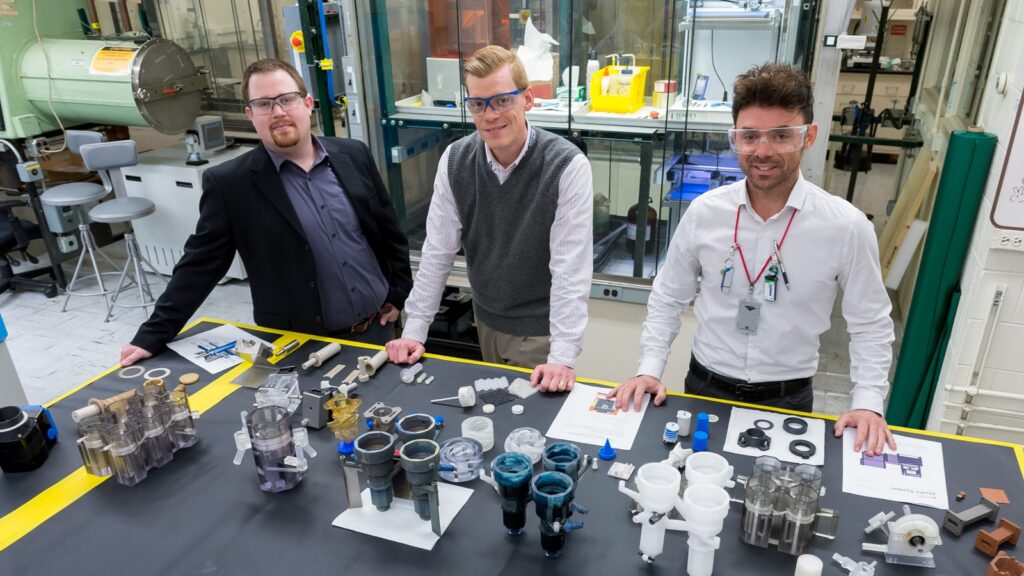
32783D, CFCT chemists group: Andrew Breshears, Peter Kozak, Alex Brown

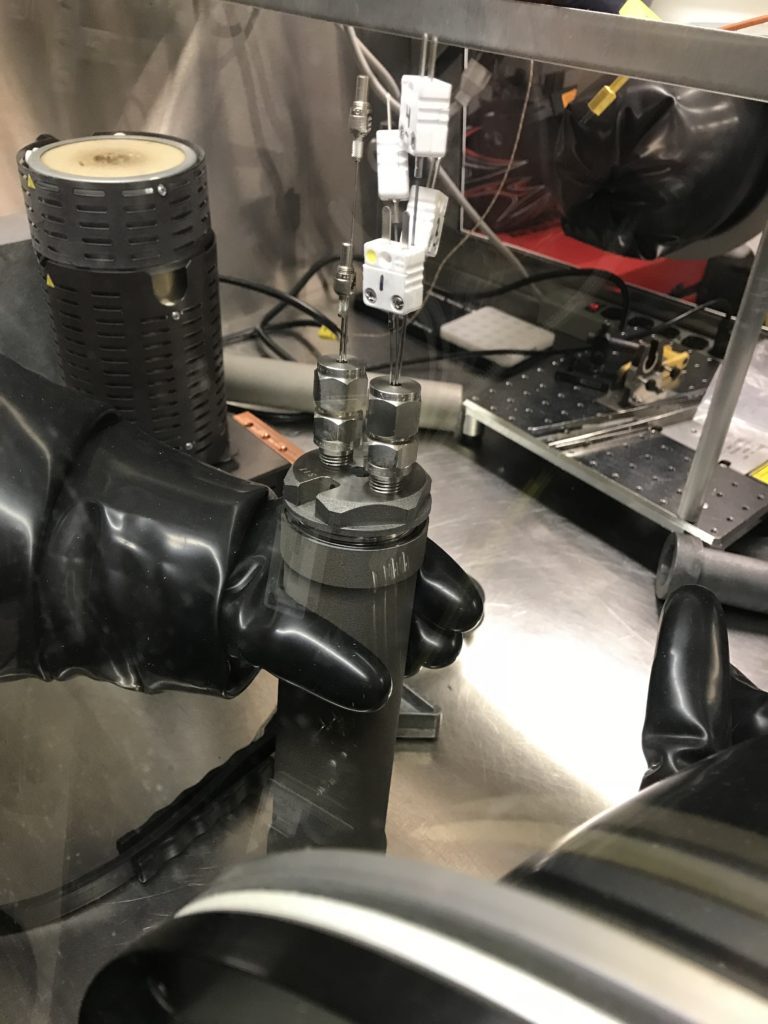
Argonne National Lab scientists used 3D printing to make nuclear fuel recycling more efficient. The scientists believe that they could recycle up to 97% of used fuel produced by nuclear reactors through their continuous ALSEP process. They used a lot of 3D printed parts in their designs, with some even being made on Formlabs desktop 3D printers. 3D printing makes for more efficient fluid movement, and also allowed for more components to be integrated.

In another project, Argonne researchers were looking to recycle molybdenum more efficiently as well.

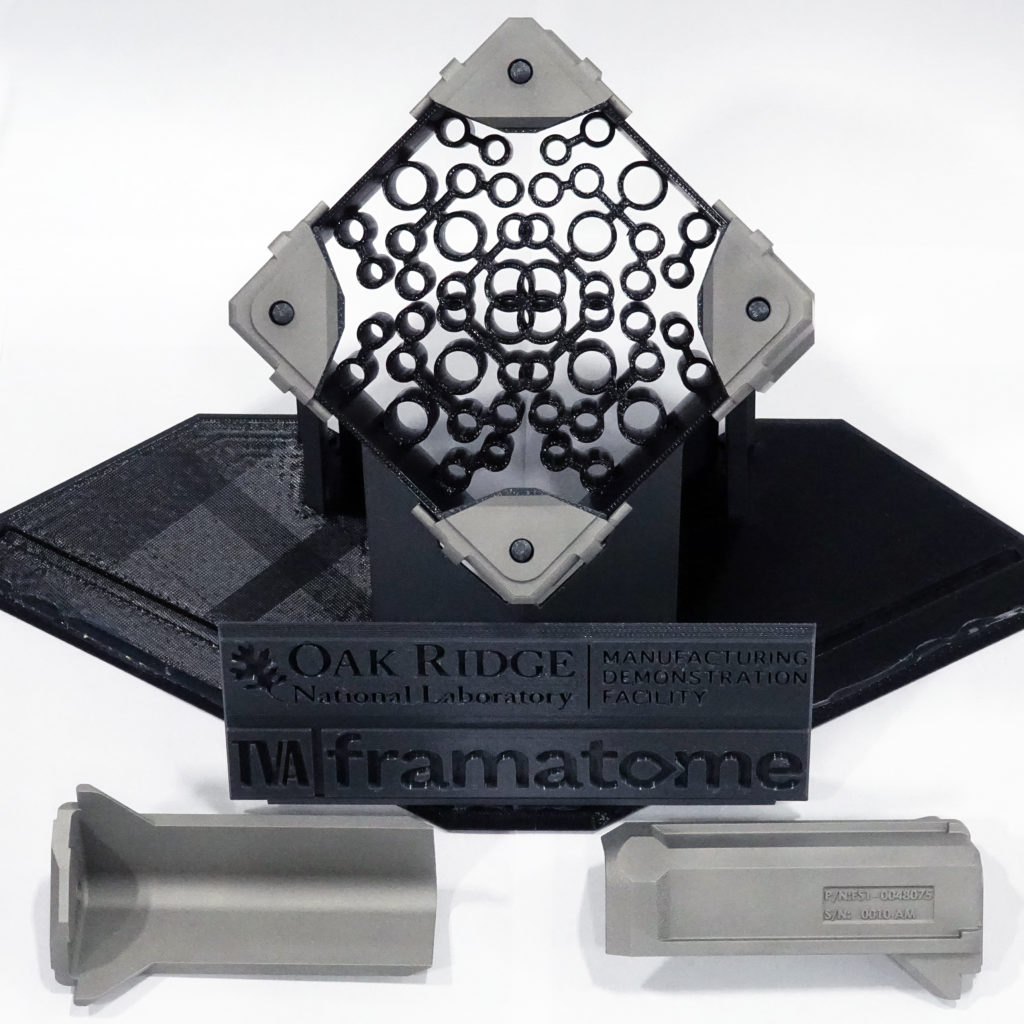
These fuel assembly brackets, manufactured by ORNL in partnership with Framatome and Tennessee Valley Authority, are the first 3D printed safety-related components to be inserted into a nuclear power plant. Image courtesy of Fred List/ORNL, U.S. Dept. of Energy

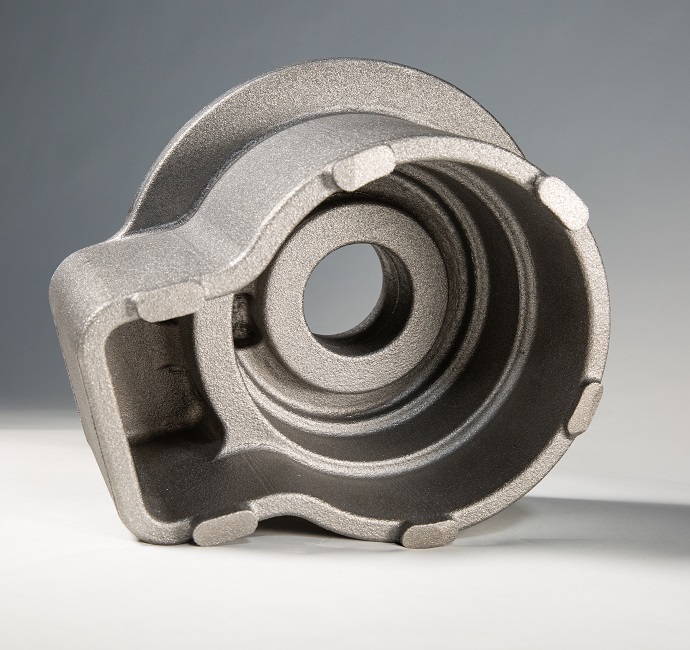
ORNL has made parts that have been used on a TVA nuclear reactor. These parts, made in cooperation with Framatome, are safety critical faster components. The “components secure the fuel channel to the boiling water reactor fuel assembly, with the fuel channel wrapping around the assembly and directing coolant through the fuel rods.” Every print layer was logged to ensure quality.

ORNL has also licensed a refractory metals Electron Bean Melting technology, as well as a binder jet with chemical vapor infiltration 3D printing method, for use in the 3D printing of reactor components. In addition, ORNL also used DED to make nuclear reactor cores.

3D printed part for nuclear fusion test reactor. [Image: Dr. Leifeng Liu, University of Birmingham]

In China, researchers are 3D printing steel fusion reactor cladding components using powder bed fusion.

Another Chinese group is looking to optimise the core tritium production unit of nuclear fusion reactors with ceramic slurry components, such as those that can be made with Admatec or Lithoz.

In the development of a new generation of fusion reactors, and in the ongoing Tokamak projects worldwide, 3D printing could play an increasing role as well. In safety critical use cases, we know that part consolidation provides us with a lot of advantages. There is less assembly cost. Also, fewer assembly steps mean that there is lower risk. If we eliminate steps, we also eliminate human error, which could cause things like fasteners, welds, brazing and glue to react adversely or fail as well. In essence we are concentrating our manufacturing risk on the 3D printing step. We’re having less human interaction with parts and less parts being stored and carried around a lot as well.

We can optimise fluid transfer through making internal channels that are more highly optimised. We can direct fluid better but also slow it down, speed it up or heat and cool it more efficiently. We know that we can reduce mass through 3D printing as well. This is especially important, since every cubic centimetre of space that we save in a nuclear reactor means that we have to use less steel and concrete to encase it. Small savings could therefore have huge implications for construction projects. In developing new parts and making them, we could also potentially save money as well. Slightly more optimal surface textures or part properties could also have dramatic effects over the lifetime of a plant and its efficiency. There is significant volume in obsolete parts as well in all of the 440 plants currently in existence. There are also a lot of impellers and turbines in nuclear and other power plants, and we are particularly good at making those components. Nuclear energy also uses a lot of hard materials that are difficult to make with curing processes, and plenty of exotic materials that are difficult to make in general. Given the reach and criticality of the components in the nuclear industry, this is one sector that is currently being overlooked and should deserve more of your attention.

The post New 3D Printing Industries: Nuclear Industry appeared first on 3DPrint.com | The Voice of 3D Printing / Additive Manufacturing.