Tuesday, June 28, 2022

3DPrint.com | The Voice of 3D Printing / Additive Manufacturing

3DPrint.com | The Voice of 3D Printing / Additive Manufacturing


French Railway Leader 3D Prints Spare Parts with Metal Filament and BASF’s Replique

Posted: 28 Jun 2022 09:33 AM PDT

Train rolling stock manufacturer Alstom (Euronext Paris: ALO) is partnering with BASF´s Replique to 3D print spare parts. Replique is on the move, having previously partnered with Miele and establishing a materials coalition. Now, Alstom is digitizing a portion of its supply chain to be able to decentralize spare parts. And, while additive manufacturing (AM) is increasingly being used in the rail industry for spare parts, this project may be the first such case in which metal filament extrusion was the technology of choice. 

“Additive manufacturing is now a key part of our supply chain. With Replique, we benefit from 3D printing and materials expertise, as well as a decentralized manufacturing network covering all relevant locations and technologies. Their end-to-end services enable us to respond faster and more cost-effectively to different customer requirements,” Ben Boese, Alstom Transport Deutschland´s 3D Printing Hub Manager, stated. “The additive manufacturing market is still very fragmented, which makes it impossible for end users to find an optimal solution for each part. With Replique, we benefit from all major additive manufacturing technologies and materials from a single source. In addition, we receive optimal technological preparation.”

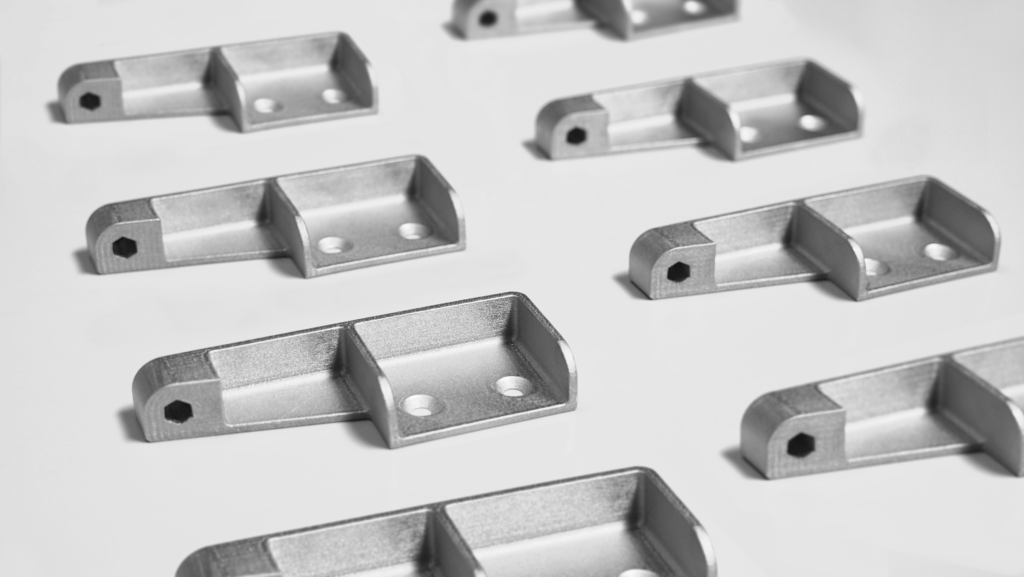
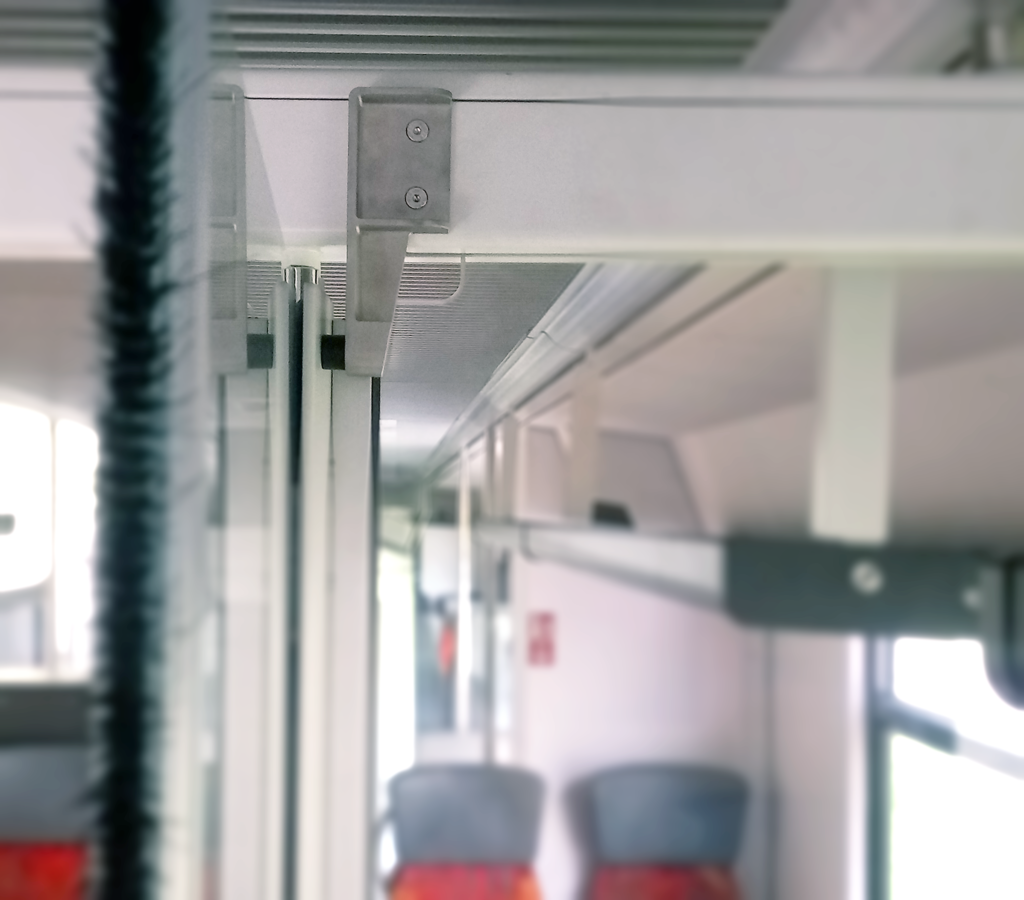
The company is beginning with a relatively simple doorstopper that was qualified for production in just six weeks. In this time period, the team tested, assembled, and then got approval for series production. Notably, the doorstopper was made using BASF Ultrafuse 316L filament, combining material extrusion 3D printing and sintering to keep costs on the part very low. 

“We were able to produce the doorstopper in a cost-neutral manner compared to conventional methods. Within the near future, we plan to further exploit the technology’s potential by creating topology-optimized designs of new parts, or even make them lighter by using reduced infill,” Boese stated.

“Alstom has already shown in the past how 3D printing can be integrated in a lean and cost-efficient way. They are pioneers in additive manufacturing, and we look forward to supporting them on their journey to simplify and fully digitize their supply chain for all printable series and spare parts,” Dr. Max Siebert, Replique CEO said.

BASF’s Metal Material Extrusion Bet

I love what BASF is doing here. The firm is using its immense size to talk face-to-face with really large companies that it already supplies. In this case, Alstom is nearly one hundred years old and brings in revenues of about €8.785 billion, with some 75,000 employees around the world.

BAS then provides its clients with a platform, Replique, that provides access to multiple production technologies and materials across multiple vendors. A software company or original equipment manufacturer could pursue a similar strategy, but BASF has situated itself as the broker for those relationships and the platform.

If the company is good at digitizing supply chains and is not greedy in the short term, then it can build up a very enviable position at the center of digital spare parts production. This is a much more high-level, much more important position for the firm to be in than just supplying material. At the same time, BASF can still use its platform to promote its own materials.

If a company like Alstom would independently look for production technologies for maintenance, repair, and overhaul, then it would probably return with a solution driven by powder bed fusion (PBF). This is the most mature additive technology for metal parts and could print many of the parts that such a business would want to make. PBF also has a plurality of vendors in materials and machines, making it look like a more mature, safer, and more resilient bet. The Alstom team may have partnered with an up-and-coming binder jet company, as well. However, is extremely unlikely that it would have chosen a material extrusion filament process that uses low-cost systems to produce green parts that are then sintered.

This not a very widespread technology, nor is it very well understood. Currently, it is also very difficult to make components properly with the first print using this technology because sintering changes part properties, which differs depending on geometry and wall thickness. So, for BASF to be the one that is doing this is completely brilliant. At the same time, BASF is big but super slow, so to have Replique as a faster minnow of a startup to quickly respond to customers is also very smart. I believe that the digital inventory business will be a very profitable and sticky industry. We may have a winner in that space before it has even properly started yet.

The post French Railway Leader 3D Prints Spare Parts with Metal Filament and BASF’s Replique appeared first on 3DPrint.com | The Voice of 3D Printing / Additive Manufacturing.

Ceramic Electronics 3D Printing Receives $2.7M from Department of Energy

Posted: 28 Jun 2022 06:30 AM PDT

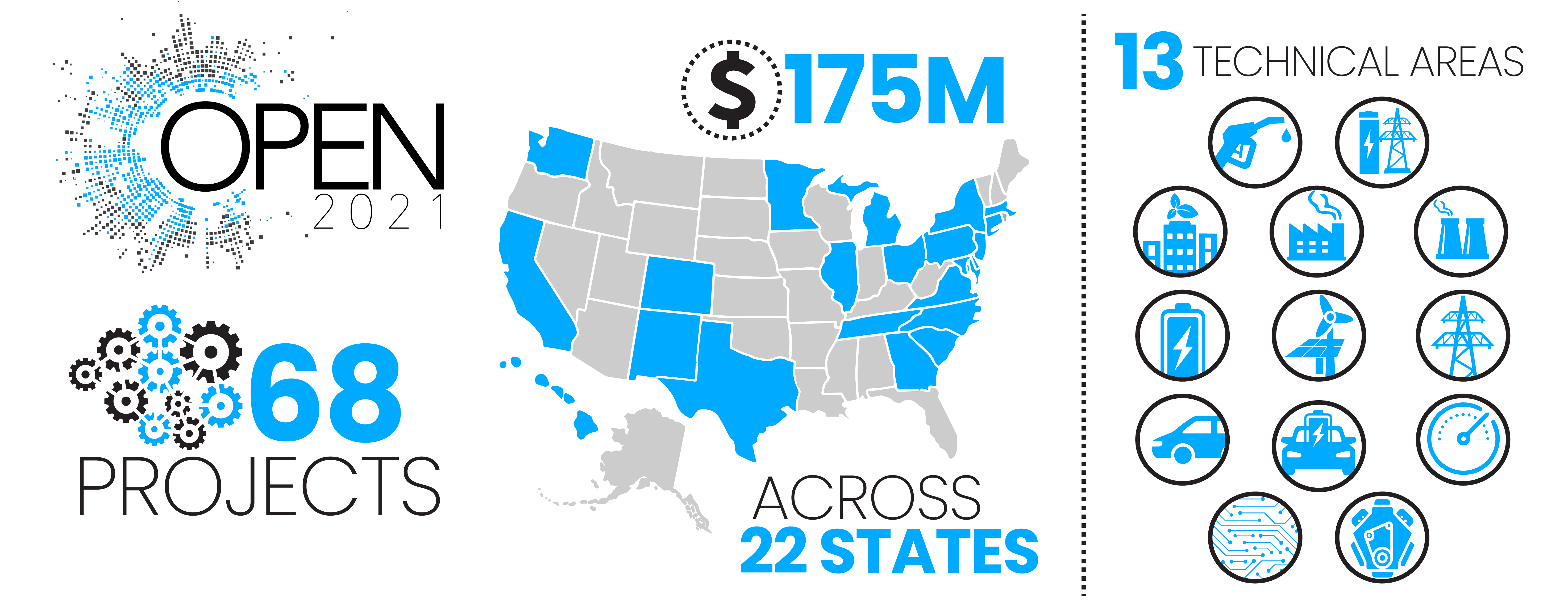
Earlier this year, the US Department of Energy (DOE) said it would grant $175 million to 68 R&D projects to create disruptive technologies that can strengthen the nation's advanced energy initiatives, including electric vehicles, offshore wind, storage, and nuclear recycling. Among the awardees is Materic subsidiary Synteris, which received $2.7 million to accelerate the development of 3D-printable ceramic packaging for power electronic modules.

This funding is part of the DOE's Advanced Research Projects Agency-Energy (ARPA-E) OPEN 2021 grant program. Synteris will work on its proposal with the National Renewable Energy Laboratory (NREL). The duo will attempt to improve the thermal management, power density, performance, and lifetime of ceramic packaging for power electronic modules.

Considered a growing market valued at $26.6 billion in 2021, power electronics deals with high voltage and current processing to deliver power for a wide range of needs, like DC/DC converters used in cell phones or AC/DC converters for computers and televisions, while large-scale power electronics are used to control hundreds of megawatts of power flow across the country. A great example of this is how researchers at the NREL are building advanced power electronics systems that control the flow of electricity to propel large and advanced electric machines, including those used in planes, trains, and heavy-duty transportation.

However, with systems becoming smaller and more lightweight (like in automotive), the need to handle higher power levels and operating temperatures are greater, and many see the material used in the power module package as a bottleneck. With support from the ARPA-E programs and NREL researchers, Synteris wants to create technology that will substantially improve the design, manufacturability, and function of power modules used in electric vehicles, aircraft, as well as related applications including for the military.

Existing power modules contain flat ceramic substrates that serve as both the electrically insulating component and thermal conductor that transfer the large heat outputs of these devices. But Synteris proposes an additive manufacturing process that would replace the traditional insulating metalized substrate, substrate attaches, and baseplate/heat exchanger with an additively-manufactured ceramic packaging that acts as both an electrical insulator and heat exchanger for better thermal management.

Based in Baltimore, Maryland, Synteris specializes in materials for high-temperature ceramics 3D printing. The funds for this project will support the team's small-scale research and development activities to use AM to print 3D ceramic packaging for power electronic modules that act as both an electrical insulator and heat exchanger for a dielectric fluid. Specifically, the project team will develop materials processing for 3D printing of the power electronic module, build and test the module, and develop and test a heat exchange system for the power electronic module. If successful, the project will test and validate a unique manufacturing system for better performance, lifetime, and form factor of power modules in electric vehicles.

According to  Ken Malone, CEO of Synteris' parent company Materic, many factors led to this vital grant, including critical seed funding in 2021 from the State of Maryland's Technology Development Corporation (TEDCO) 's Maryland Innovation Initiative and Materic's efforts to build a portfolio of 3D printing technologies to fuel Synteris's growth.

Since its founding in 2009, ARPA-E has provided $2.93 billion in R&D funding, and ARPA-E projects have attracted more than $7.6 billion in private-sector follow-on funding to commercialize clean energy technologies and create sustainable clean energy jobs. Previous ARPA-E awardees have also gone on to achieve breakthroughs in commercializing various energy solutions, including developing transformative solar, geothermal, batteries, biofuels, and advanced surface coating technologies. Examples of earlier awardees include Soraa, a world leader in more efficient lighting technology, and Sunfolding, a company facilitating cost and performance breakthroughs for stakeholders across the solar energy industry.

In 2022, aside from Synteris, several selected projects proposed additive manufacturing initiatives. For example, Stanford University received $1.9 million to additively manufacture amorphous metal-oxide soft magnetic composites (SMC) with net shapes, reduced cost, and reduced material waste. In addition, companies like clean energy tech manufacturer Precision Combustion will use the $1.5 million DOE award to additively manufacture electrochemical-chip-based scalable solid oxide fuel cells that permit a power-dense, lightweight design ideal for transportation applications. At the same time, chemistry company Dimensional Energy got over $3 million to print ceramic components for innovative chemical reactors that can run on low-carbon electricity sources.

The selected projects – spanning 22 states and coordinated at universities, national laboratories, and private companies – will advance clean energy technology innovation and manufacturing in the US to deliver critical energy solutions from renewables to fusion energy to tackle the climate crisis. US Secretary of Energy Jennifer M. Granholm pointed out that DOE's investments can help the country achieve net-zero emissions by 2050, create clean energy and good-paying jobs while strengthening its energy independence.

The post Ceramic Electronics 3D Printing Receives $2.7M from Department of Energy appeared first on 3DPrint.com | The Voice of 3D Printing / Additive Manufacturing.

Building DED Metal 3D Printer Domestically Cuts Costs 2-3 Times for Indian Team

Posted: 28 Jun 2022 06:00 AM PDT

The Indian Institute of Technology (IIT) Jodhpur recently announced that the university has developed a new directed energy deposition (DED) metal printing system. Aside from the machine's laser, as well as a robotic arm manufactured by Germany-based robotics company KUKA, every component of the machine was made in India.
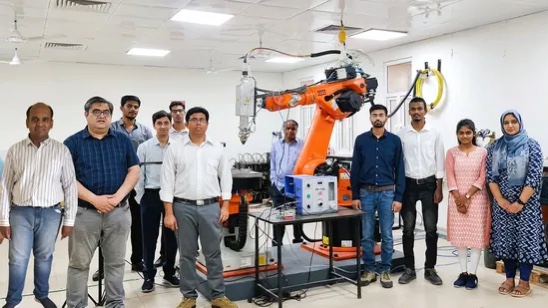
This is perhaps the most notable example to date of the National Strategy on Additive Manufacturing (NSAM), a program announced by India's government earlier this year. One of the stated goals of the program is to create "50 Indian [AM] technologies", including materials, printers, post-processing, and software. Overall, the NSAM is the latest component in Prime Minister Modi's Atmanirbhar Bharat ("Self-Reliant India") policy, which his administration has pursued since it began in 2014.

In a press release, one of the engineers who worked on the project, Dr Ravi KR, said, "The small success of this research has given great hope to our team to undertake new endeavors. Moreover, it will further strengthen the trust placed on our team and organization by the funding agencies and industry that are assisting our current research and will be assisting us in the future." Another member of the team, physicist V Narayanan, noted that the machine can print parts using domestically-sourced metal powders, and explained, "Our team has developed this machine's tool path, planning software, and coaxial nozzle. It also has in-situ monitoring technologies which constantly monitor the melt pool temperature and clad thickness during the [AM] process."

Dr Ravi KR — who is an associate professor at IIJ Jodphur's department of metallurgical and materials engineering — also said that the overall cost of the machine could be reduced by two to three times by sourcing all the materials from within India. Although there are already other metal 3D printers manufactured in India, this is the first one designed with the objective of relying almost entirely on domestic supply chains.
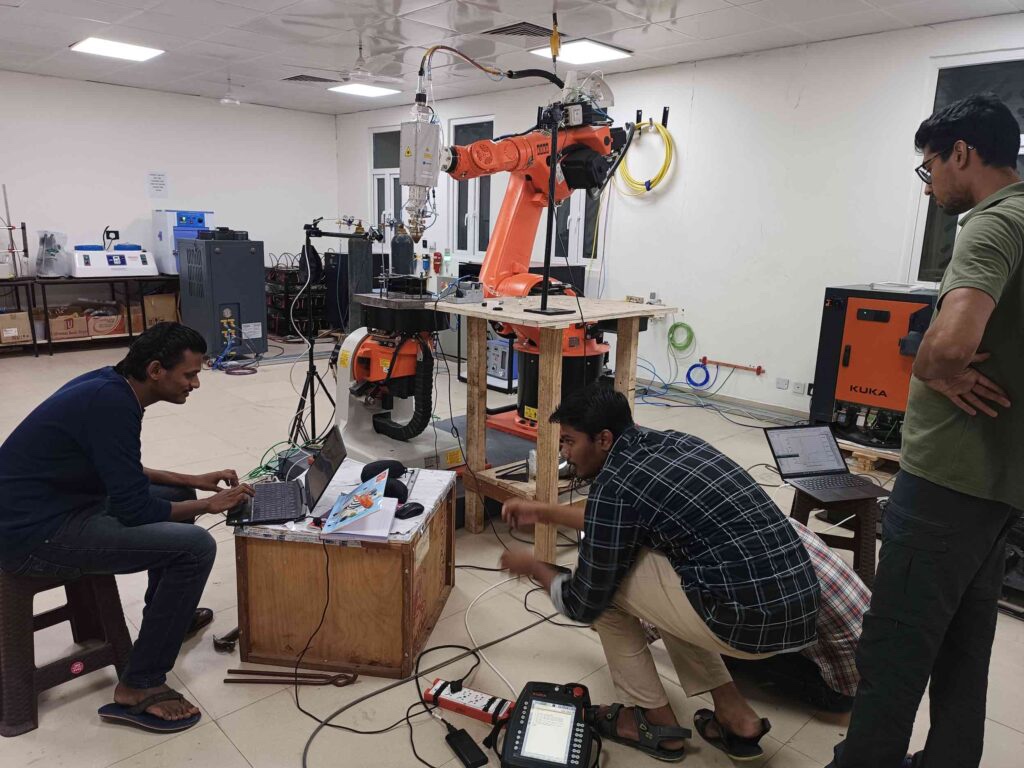
The idea is an especially interesting one concerning metal AM, specifically, since the creation of wholly domestic supply chains could eventually be leveraged into optimizing the number of printer parts that can themselves be printed. Obviously any remotely successful attempt at achieving such an objective would take years. However, any nation that accomplishes it will have created a truly self-reliant supply chain.

Additionally, India would be the logical place to do that. As I've noted in my coverage of the nation's AM sector going back to last October, the country seems poised to be the central hub in a plan to create an alternative to China's Belt and Road Initiative. This seems to be increasingly likely, given the G7's announcement yesterday that the group is planning a $600 billion alternative to Belt and Road.

Images courtesy of IIT Jodhpur

The post Building DED Metal 3D Printer Domestically Cuts Costs 2-3 Times for Indian Team appeared first on 3DPrint.com | The Voice of 3D Printing / Additive Manufacturing.

Can 3D Printing Make You Antifragile? Surviving Current Economic Shocks

Posted: 28 Jun 2022 05:00 AM PDT

In this, series we’ve looked at what being antifragile means and whether or not 3D printing can make a business antifragile. However, can 3D printing be antifragile as a good or an industry?

Antifragility is a concept suggests that a system can through a crisis or chaos and become stronger at the end of it. What doesn’t kill you makes you stronger, in short.

Many industries are seen as cyclical, with their performance dependent on where we are in the business cycle. The classic example of this is the airline business, in which a lot of customers will delay long flights and vacations when the economy is perceived to be “bad.” That in turn leads airline stock performance and the total number of flights to be correlated with sentiment about the economy and the economy itself.

Meanwhile, other stocks and businesses, such as debt collection, may actually do better in a downturn. On the level of goods and consumer choices, industries and goods are categorized as elastic and inelastic. Elastic products show radical shifts in demand when factors such as price change. Demand for inelastic goods is (partially) resistant to changes in prices and other factors.

Classic examples of inelastic goods are utilities or items like salt. The paragon example of elastic goods are luxury items, like handbags, in which purchases can easily be delayed or money can easily be diverted to other more necessary purchases.

Now, we’re living in strange times where a class of people are essentially diversified enough that their spending remains insulated from the roller coaster ride that is the business cycle. However, generally, we can say that there are cyclical stocks and industries and inelastic and elastic goods.

Fickle Consumers, Fashion Risk and Substitutes

At the same time, we can also see that business performance generally has higher ups and downs than in the past. The world is more competitive. Trends spread faster and consumers are more fickle. So ,we can see that there is a lot of fashion risk, in which companies are either much more popular than anticipated and are unable to cater to demand or they are left with significant unsold inventory.

A pound of beef now competes with a pound of tofu and an ounce of imitation beef, as well as with a burger delivered to your door, a high-end burger bar around the corner, and your Netflix subscription. There are many more substitutes and activities to which to divert our attention and spending. We can be immediately satiated in so many ways. Impulsively, in the next five minutes, I can buy a pizza, travel insurance, an umbrella, a $400-pair of Hogan trainers, a $0.20 rubber duck, art, or a $23,000 compact portable bike by Hermes.

Asset Heavy or Guerrilla Commerce

Spending options are confusingly unlimited and goods and activities are set to satiate us evermore briefly. Inditex can design a new item and get it into one of its 2,000 Zara stores in less than 10 days. That company tracks demand closely and relies on that information and short supply lines to deliver new variants or resupply to popular products quickly. The company designs everything itself, performs much of its own logistics and logistics software, and reduces fashion risk by being timely and on trend. Meanwhile $10-billion retailer Shein has no stores. The company designs nothing and simply buys wholesale.

Essentially, each of these firms has circumvented fashion risk. Inditex has done this in an “asset-heavy” manner, developing technology and practices to match demand and output, while creating better SKUs that meet consumer needs. Shein, on the other hand, brings in millions of eyeballs to view pictures, then buys the items once the consumer buys them. You could never build what Inditex is, but you could be the next Shein, or maybe just the Shein of lawn chairs, should you wish.

Port strikes in one area of the world, such as Long Beach or Guangzhou, can throw a monkey wrench in the works of global commerce, while one ship stuck in a canal disrupts everything altogether. Currently, air travel in the U.K. is a mess because they were unable to anticipate air travel recovering so quickly. Global shipping has been stretched and seen huge price increases, as numerous goods were not ordered. Then, many more consumer electronics were ordered and later spending shifted to other industries, resulting in fewer goods being sold.

Shocks seem to be more common and are also spreading more quickly and widely through a fragile interconnected world. We are more interdependent but also more divided than ever. Is there anything else going on?

Well, perhaps we’re entering a phase of irreversible ecological collapse and resource scarcity that will bring starvation and wars to the poorest parts of the world. And one more thing: the Pax Americana that has been the world order since the Second World War is being challenged by China. This will result in supply chain disruptions, as both nations will want to become more independent, especially in high-tech war fighting. Financial assets will also be interfered with more and more via nationalist meddling, politics, embargoes and more, resulting in evermore volatility—especially in stocks, but also in storage and transport.

Shocks and Demand

So. we have companies that build unassailable fortresses and others that are engaging in guerrilla capitalism and attention arbitrage. We have numerous products and services screaming for an increasingly fickle audience that has many more substitute goods and immediate access to many more options. Some things are elastic, some inelastic, while, in some areas, demand follows the business cycle and some things do well when business is bad. Shocks are reverberating across the globe as well. What to make of such a world?

One trend that is very obvious is that there will be more and more dramatic mismatches between supply and demand. At a macro level—but also in the number of green sweaters meant to be sold in Denmark in June—we will see more disruption and bigger failed bets on everything ranging from commodities to high-end finished goods. Your retailer, your distributor, your shop, your website will all find it harder to match price, quantity, and product with the fast-changing pace of demand. Generally, there are two potentially successful solutions: to be the asset-heavy king of vertical integration that insulates itself from demand shocks through intelligence and structure or to simply not have any stock and focus on farming eyeballs instead.

And what is the best recipe that people have come up with? Resilience. Yes, the next container delay, currency devaluation, or new trend may kill you. Hold fast. You could be more resilient against more shocks. This is a bit nihilistic, for me. Sure seatbelts are a good idea, but if we know that every car journey will have a near-crash, we should come up with something better. A fire extinguisher is a good idea, but it is a bit of a goal-tending solution. If it fails once, you may no longer be there to tell the tale. How best to respond to this increasingly combustible world filled with supply and demand interruptions and mismatch? Stay tuned.

Images: Dean Hochman, Peter Burka, Jarle Refsnes.

The post Can 3D Printing Make You Antifragile? Surviving Current Economic Shocks appeared first on 3DPrint.com | The Voice of 3D Printing / Additive Manufacturing.

Fast and Affordable Metal 3D Printing Service Company: IN3DTEC

Posted: 28 Jun 2022 04:30 AM PDT

Shanghai-based 3D printing service manufacturer IN3DTEC often makes the headlines for its affordable and industrial-grade 3D printing service. Today, IN3DTEC is becoming one of APAC’s biggest metal 3D printing service companies.
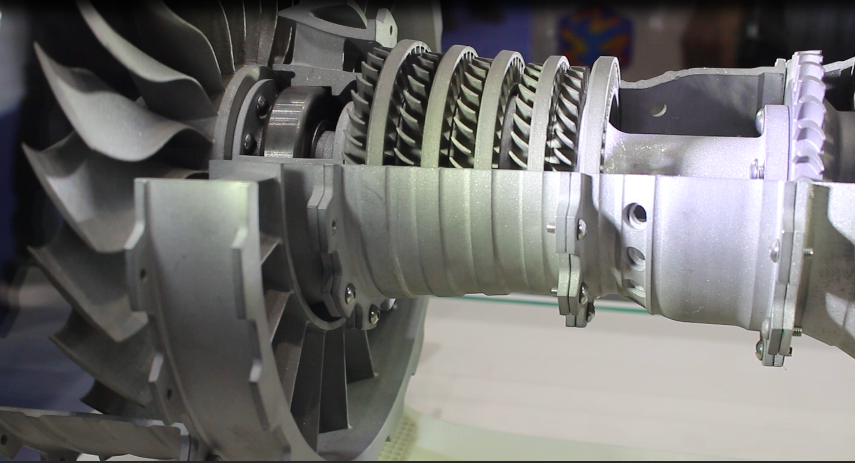
Metal printed engine model.

“It is great that the 3D printing market is snowballing. Four years ago, when we delivered the first metal oil tube to our customers in Europe, we were greatly encouraged by the customers’  compliment for our quality. Meanwhile, more customers came to us with many confusions about this manufacturing method. Most of these are some basic factors that can stop their use of metal printing. So we use three years to solve the fundamental issues, such as helping the customer save the printing cost by optimizing the structure, re-machining the prints to achieve higher tolerance; strength and chemical test; multiple surface requirements, etc. All small issues were put on the table during that time. Now it seems that the small things we did make big changes. At present, we shipped parts to over 65 countries worldwide, cooperating thousands of big names such as Leica, Danfoss, MIT, etc., with a high customer review of 4.8/5,” said Lukas Wang, the COO of IN3DTEC.

Now, IN3DTEC operates several manufacturing facilities in China, offering 6+ metals and 10+ surface finishes. With ISO standard quality insurance on metal prints, IN3DTEC provides multiple solutions for many applications, such as implants and dental from medical; housing, and gears for automotive; tubes for oil & gas; impellers and lattice structures for transportation, and aerospace.

The company launched a new business plan named “startups metal prints,” which aims to help more small and medium-sized enterprises accelerate the R & D process and new products introduced to the market quickly and reasonably.

Lukas Wang, said, “3D Printing can’t be bypassed when talking about industry 4.0. It has already become an unstoppable trend for making prototypes and low-volume production. In the past four years, our 3D printing business has grown at an annual rate of 50%, making it a powerful growing section of our one-stop manufacturing services. And we are happy to hear more customers say that our printing quality is excellent, and helping them increase their business.”

IN3DTEC has become one of the most professional Chinese 3D printing companies for making functional & high-end parts.

“You know, when talking about metal 3D Printing, many people think it is still far away from the business, mainly because the current metal 3D Printing service in the market is quite expensive, and it usually takes 2 weeks to get a parts metal printed. So IN3DTEC keep investing in a new process in cutting the lead time to 3-4 days,” Lukas  Said.
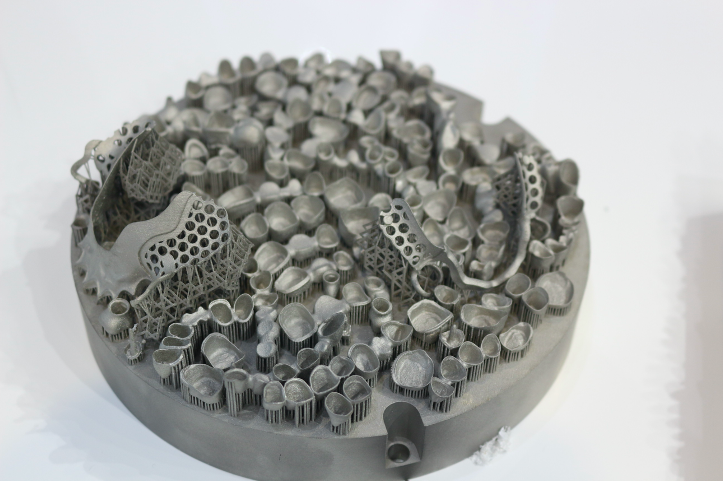
Ti64-Medical for dental.

The metal printing specifications from IN3DTEC as below,

IN3DTEC metal materials: Aluminum, Stainless Steel316L, Titanium, Ti64-Medical, Maraging steel, Nickel Alloy.

Surface finishes: Sandblasting, Glass bead blasting, Satin polishing, Glossy polishing, Oxidation, Plating, Powder coating, Heat treatment and more.

Layer thickness:0.03mm

Tolerance:+/-0.2mm (as printed), compatible with IN3DTEC’s in-house CNC machining capability, can achieve +/-0.03mm with re-machined.

Print volume: 400x350x350mm

Assembly: Yes

Lead time:3-5 working days

Shipping: DHL, Express, as fast as two days
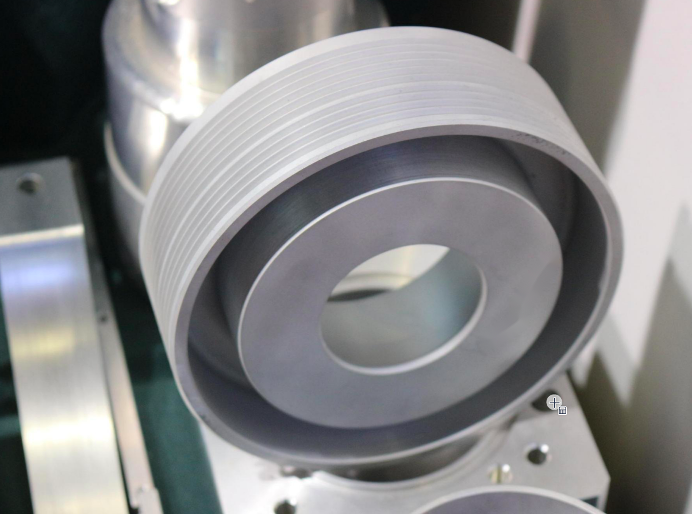
Aluminum prints with sandblasting surface

When talking about the ambitions of IN3DTEC’s future version, the company claimed that IN3DTEC stands for industrial 3D printing. IN3DTEC offers the latest additive manufacturing process, including SLM, FDM, SLS, Vapor chemical smoothing, MJF, SLA, DLP, which can provide an overall 70+ functional plastics and metals.

The company also offering CNC Machining, Injection Molding, Vacuum Casting, and more advance manufacturing services. Whether you need prototypes or scaled productions, please visit IN3DTEC to get a fast response.

The post Fast and Affordable Metal 3D Printing Service Company: IN3DTEC appeared first on 3DPrint.com | The Voice of 3D Printing / Additive Manufacturing.

Online 3D Printing Service Sculpteo Announces New CEO

Posted: 27 Jun 2022 11:00 PM PDT

Sculpteo, BASF’s French 3D printing service, announced that the company's new CEO is industrial designer Alexandre d'Orsetti. Promoted from in-house, d'Orsetti was previously the head of Sulpteo's design studio for six years.

D'Orsetti has taken over the leadership role from Clément Moreau, who, along with Eric Carreel, founded Sculpteo in 2009. The company was purchased in 2019 by the largest chemical producer in the world, BASF, which is also one of the leading providers of additive manufacturing (AM) materials. BASF acquired Sculpteo via BASF 3D Printing Solutions, a division of the German conglomerate that operates under the brand name Forward AM.

In a press release, Sculpteo's new CEO said, "Even when distribution chains were slowed down or paralyzed in a crisis context like the Covid pandemic, 3D printing ensured the continuity of various production lines. The development of new materials with efficient mechanical properties, especially by BASF, are making it possible to target new industrial applications. …For a designer, it is exciting to see how these technologies are making it possible to rethink not only the shapes and design approach for parts, but also to revisit production and supply scenarios."

Recently, Sculpteo also became part of HP's Digital Manufacturing Network. The company has twelve HP Multi Jet Fusion (MJF) machines at its French headquarters — the largest such fleet in France. This, along with Sculpteo's far-flung reach in international markets, puts the company in a favorable position to become a hub for emerging AM supply chains.
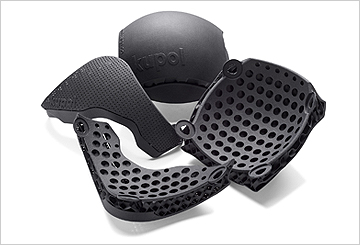
Kupol helmet parts made by Sculpteo with Multi Jet Fusion.

Regarding its role under the BASF umbrella, it is notable that Sculpteo filled the position with someone from within, and especially, someone who has worked for the company both before and after its acquisition by BASF. This suggests not only that Sculpteo's continuity will be maintained under the reins of a new leader, but more broadly, that it has successfully maintained such continuity since its acquisition.

Over the next few years, as the AM sector enters a new phase in its history, we will probably see many more examples of companies passing the torch from founders and/or inaugural CEOs to the next generation of leaders in the industry. It will be interesting to see the patterns that could potentially materialize. For instance, with the present case in mind: to see which types of companies tend to elevate an existing employee, versus which types tend to recruit externally.

One isn't necessarily better than the other. But paying attention to how it, along with other questions related to new corporate leadership, continues to unfold, may likely be one more variable that helps shed light on the 3D printing industry's trajectory in the intermediate future.

The post Online 3D Printing Service Sculpteo Announces New CEO appeared first on 3DPrint.com | The Voice of 3D Printing / Additive Manufacturing.

Monday, June 27, 2022

3DPrint.com | The Voice of 3D Printing / Additive Manufacturing

3DPrint.com | The Voice of 3D Printing / Additive Manufacturing


Revisiting 3DPrint.com’s Stock Zone: 2022’s Bull Market Shake 3D Printing Stock Prices

Posted: 27 Jun 2022 06:30 AM PDT

After a ruthless start to 2022, the US's three most widely followed indexes hit new lows as they entered the bear market terrain around mid-May. One month later, the Wall Street Journal reported that blue chips were down 18% this year, while the Nasdaq Composite has fallen 32%, and according to Deutsche Bank, the S&P 500 is currently on track for its worst half-year performance since the Great Depression.

Driven primarily by high inflation, rising interest rates, a stalling economy – with likely recessions in the US and Europe – and the ongoing war in Ukraine, the global stock market outlook is uncertain. Nevertheless, some experts anticipate the current bear market will hit bottom around early 2023, although JPMorgan says shareholders should prepare for strong returns in the second half of 2022 as the US economy avoids a recession. Either way, 2022 is already seeing the worst losing streak for global stocks since the 2008 financial crisis, a "meltdown," as CNN calls it, that wiped out more than $7 trillion in market value from the blue-chip stocks in the S&P 500 alone.

With global markets tanking throughout the year's first half, this might be a good time to revisit 3DPrint.com's Stocks Zone.

Launched on July 27, 2021, the zone, dedicated to 3D printing stocks, is a great way to keep track of the trading and learn more about the 3D printing market activity. Aside from keeping up to date on the stock prices, readers can also find related news daily. Showcasing over 85 companies, the zone has great stock data for a glimpse into the 3D printing stock market.

On the trading floor

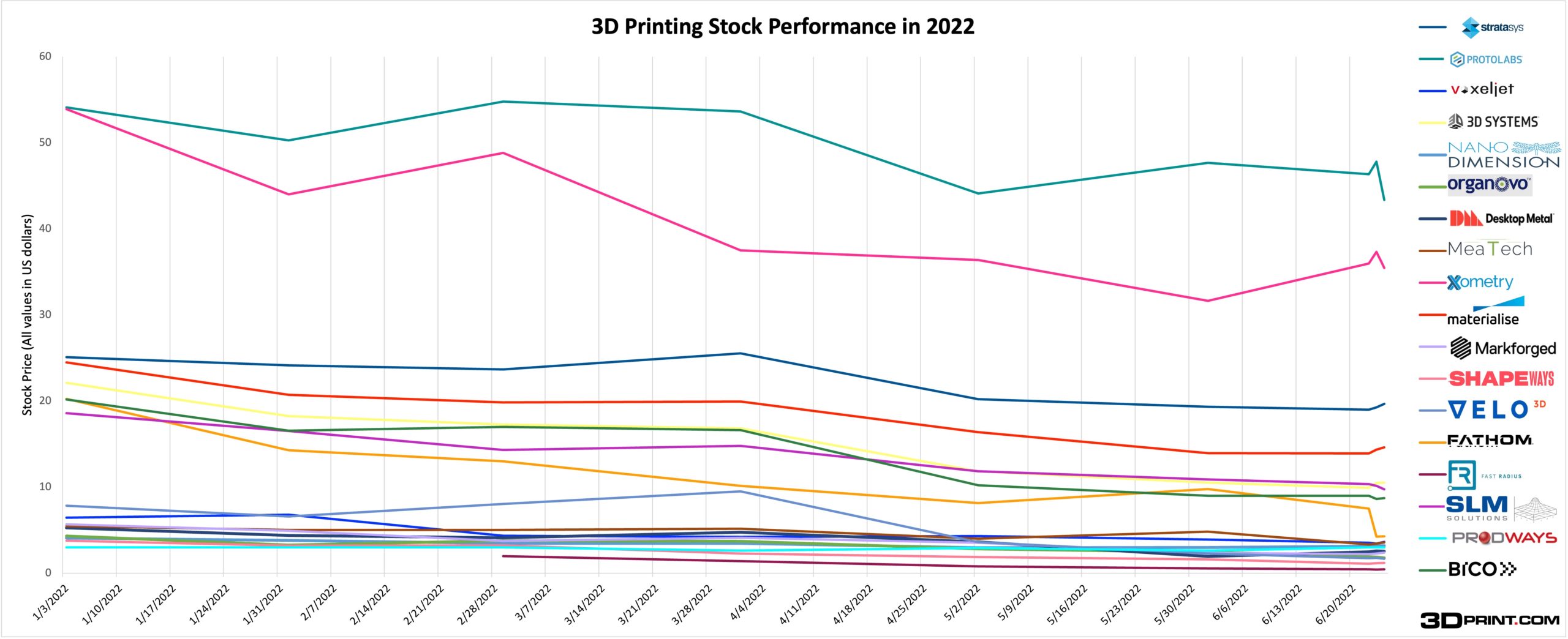
3D printing shares also reflect the downturn in 2022, following previously discussed global stock trends. For example, spearheading businesses like Stratasys (NASDAQ: SSYS), 3D Systems (NYSE: DDD), voxeljet (NASDAQ: VJET), SLM Solutions (ETR: AM3D), and Nano Dimension (NASDAQ: NNDM) saw their stock collectively stumble (See Graph 1).

Graph 1 by 3DPrint.com

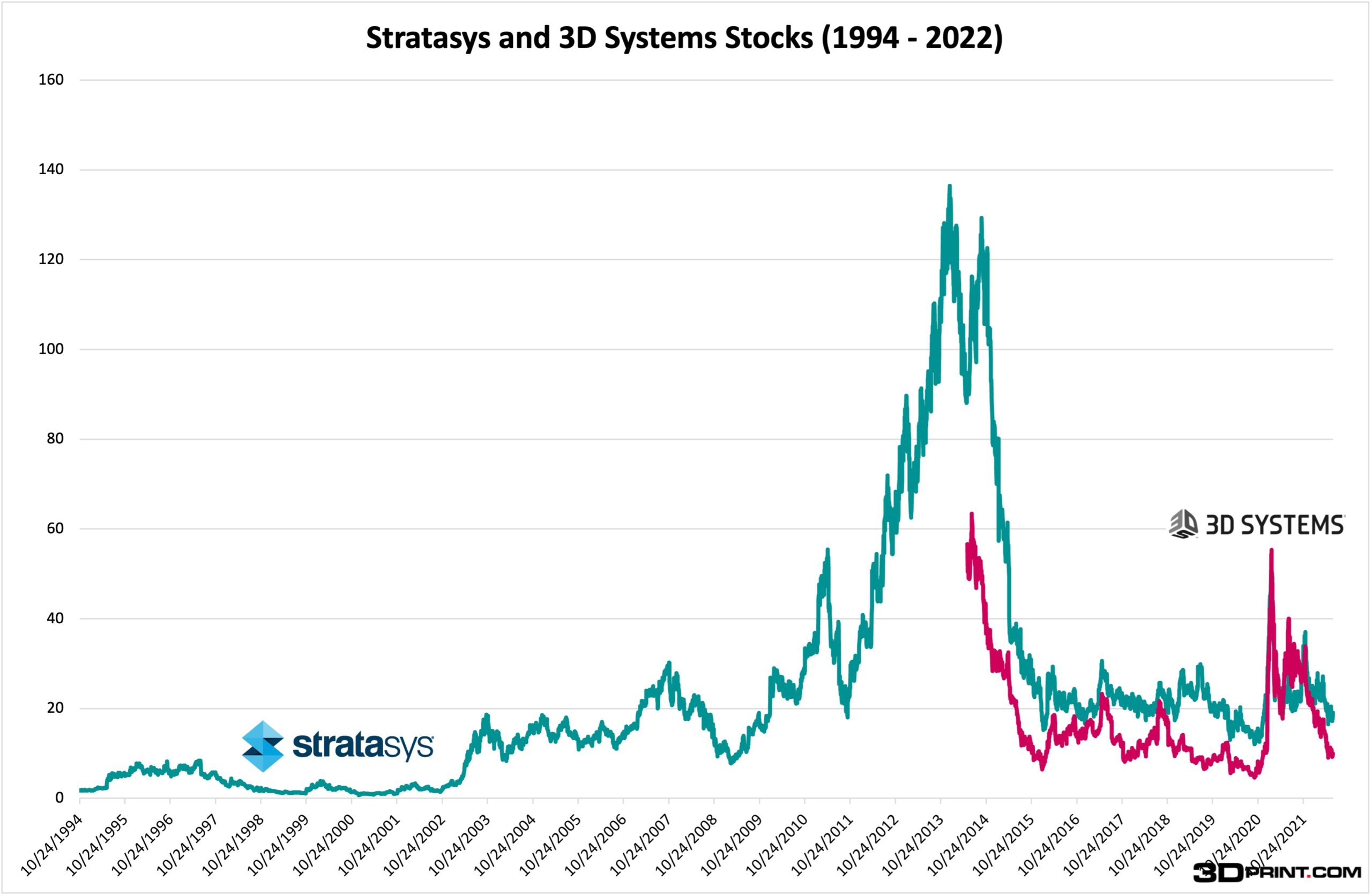
As the first company in the 3D printing industry to go public in October 1994, Stratasys went on to become a powerhouse and, in the process, acquired 12 companies, purchased IBM's 3D printing intellectual property and related assets and was ranked top additive manufacturing (AM) platform vendor. Trading on the Nasdaq exchange, Stratasys stock escalated between 2009 and 2014. At that time, the price was no longer oscillating in the $10 to $20 range and reached peaks of more than $120 in 2014 (as shown in Graph 2). However, its share price would later fall below $30 in 2015, and the stock price is currently in the low $20s.

Even more pioneering than Stratasys is 3D Systems, a company founded three years earlier in 1986. Since then, the Rock Hill, South Carolina, firm has engineered and manufactured 3D printers, materials, and 3D scanners and is now a heavy hitter in bioprinting. The company first went public on May 27, 2014, on the New York Stock Exchange (NYSE) and has experienced peeks and troughs ever since.

Stock-wise, Stratasys and 3D Systems have shared similar moves. After dropping stock prices shook the companies in 2015, the competitors kept up a similar pace until 2019. Then in 2020, 3D Systems surpassed Stratasys, reaching its pinnacle stock price of $55.3 in February 2021. This year, however, shares have suffered like the rest of Wall Street, which means both companies have declined more than 50% and are struggling to pay high earnings per share (EPS).

Graph 2 by 3DPrint.com

Going public

In the last two years, the world witnessed a rampage of companies trading in their private status for a SPAC deal to go public. These merger deals, known as SPACs, short for special purpose acquisition companies, are usually described as a back door to take a company public, and even though they have been around since the early 1990s, their popularity has soared in recent years.

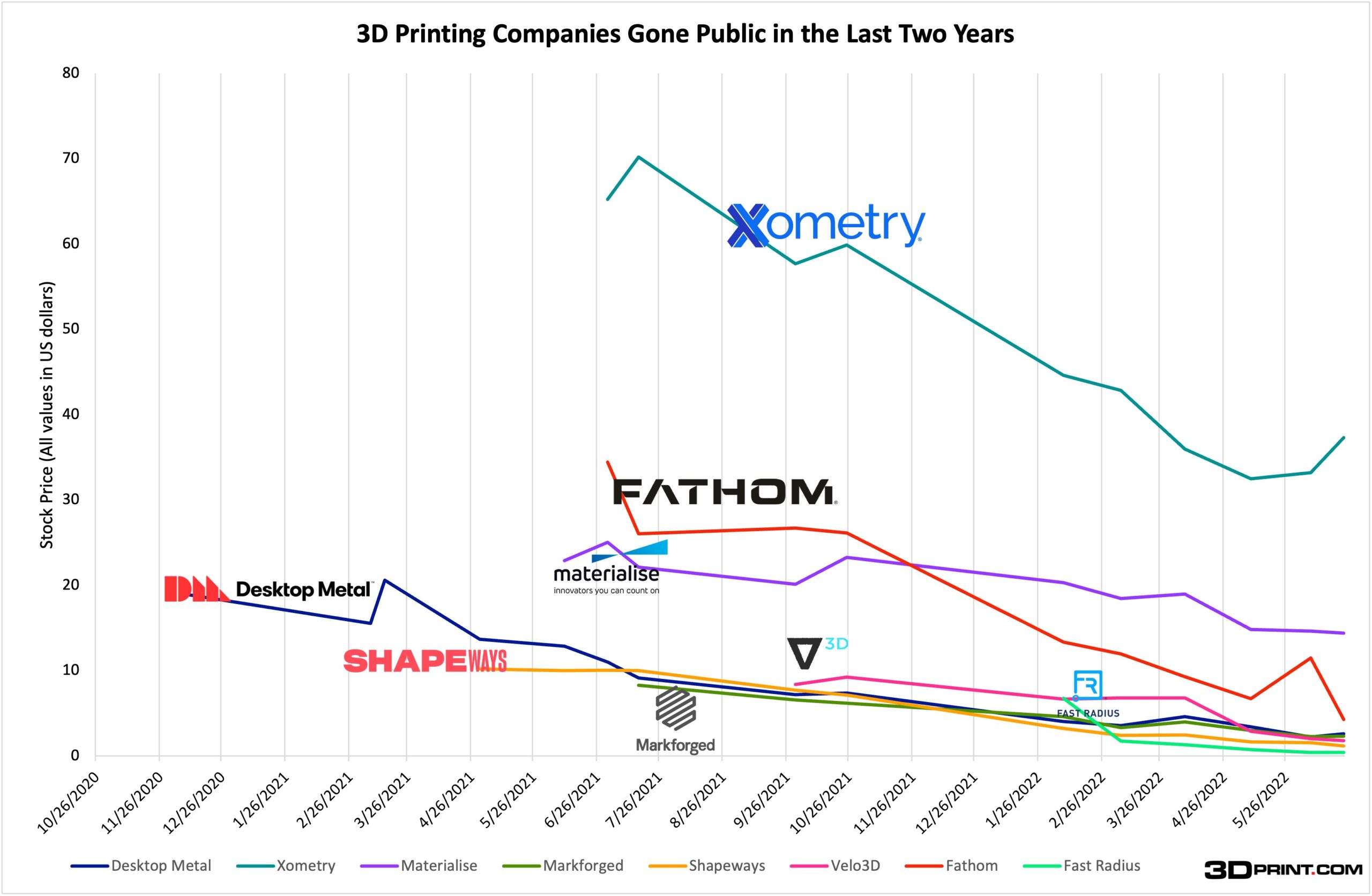
Many 3D printing companies followed this trend, including Desktop Metal (NYSE: DM), Markforged (NYSE: MKFG), Velo3D (NYSE: VLD), Shapeways (NYSE: SHPW), Fathom (NASDAQ: FTHM), and Fast Radius (NASDAQ: FSRD). Other companies, like Xometry (NASDAQ: XMTR) and Massivit 3D (TLV: MSVT), have chosen the regular IPO (initial public offering) route, and considering the backlash and scrutiny that SPAC deals have accumulated, experts don't believe the frenzied trend will last, and companies choosing to go public will probably do so via regular listings.

The last two years gave us plenty of new 3D printing stock. But it hasn't been easy for many of these companies as they had to navigate through one of the toughest years in the global market's history. As a result, in 2022, most of them saw their stock price battered. Such as Fast Radius, which went from an opening price of $6.74 in February 2022 to having shares that now trade for pennies (43 cents on June 24, 2022).

Others saw their price tank, like Desktop Metal, with a price fall of roughly 70% in its first year, from $19 in December 2020 to $5.8 a year later. Similarly, Fathom's stock price declined 78%, from $34.4 on its first trading day in 2021 to $7.51 this month. Companies like Xometry, 3D printed cultured meat maker MeaTech (NASDAQ: MITC) and Massivit 3D, which followed the traditional IPO path, also suffered the wrath of an imminent bear market in early 2022, with prices decreasing 40%, 70%, and 50% respectively.

Graph 3 by 3DPrint.com

In 2022, all the leading firms in the industry saw their stock prices drop. In Graph 4, we can see the price evolution for 18 companies, including bioprinting giant BICO (STO: BICO), MeaTech, and rapid prototype designer and manufacturer Materialise (NASDAQ: MTLS). Due to this market crash, innovative companies have seen their stock prices fall below $10. In fact, in Graph 4, we observe that by May 2022, 13 companies were already under the $10 gridline. But many of these companies still have plenty of upsides.

For instance, Velo3D, which saw its shares at $2 on June 24, opened a European Technical Center in Augsburg, Germany, last week. Our Editor-in-chief, Joris Peels, was on-site during the inauguration and said that if the company's progress in Europe is like its work in the US, "it may soon launch like a rocket."

Others, like Markforged, might be trading at a lower price-to-earnings ratio than expected. Still, the Massachusetts-based company made its first acquisition in April, taking over Teton Simulation, whose trademarked SmartSlice technology automates validation and optimizes part performance for AM applications. Since coming out of stealth mode at the SolidWorks World trade show almost a decade ago, Markforged has been on a strong growth trajectory, with an equity valuation of roughly $2 billion. Another great example is Nano Dimension, an Israeli company with shares trading at $3 but with a lot of potential, growing from a team of 80 employees to 500 in a year.

Graph 4 by 3DPrint.com

With such a rough start to the year, it's challenging to determine when the market will go up. Financial planners like Warren Buffet and Jack Bogle have repeatedly assured people not to "watch the market so closely" during periods of wild fluctuation. Bogle told CNBC in 2018, "stay the course," since even "the big crisis shouldn't let you change your mind." With so much uncertainty – politically, financially, and socially – determining when the global market will recover will not be easy. However, the 3D printing industry has been launching new products, inaugurating AM centers, establishing plenty of collaborations and partnerships, and moving forward despite many hurdles, especially during the last two years of the pandemic. Hopefully, this will be enough to keep the public companies and the industry strong.

The post Revisiting 3DPrint.com’s Stock Zone: 2022’s Bull Market Shake 3D Printing Stock Prices appeared first on 3DPrint.com | The Voice of 3D Printing / Additive Manufacturing.

3ntr’s New Large Format 3D Printer Features 1m x 1m Build Volume

Posted: 27 Jun 2022 06:00 AM PDT

I’m a total 3ntr fan. We previously interviewed 3ntr CEO Davide Ardizzoia, looked at the business’s newer machines, and saw how they could 3D print oil and gas valves in PEEK. With robust frames and temperature-controlled nozzles, the Italian company’s machines are no nonsense manufacturing tools and unequivocally so. Those 3D printers have just gotten bigger. The firm has now announced the release of its new Sequoia machine, which features a build volume of one square meter.

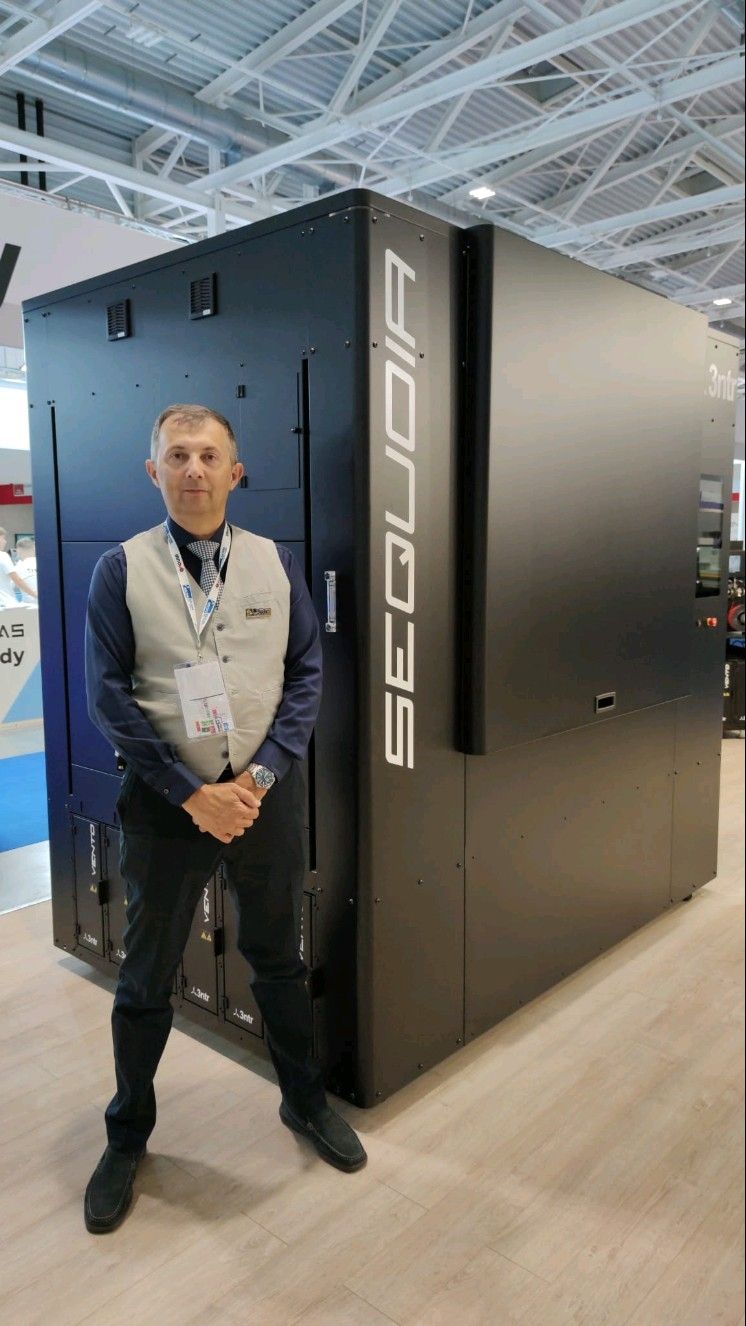
3ntr CEO Davide Ardizzoia with the new Sequoia 3D printer. Image courtesy of 3ntr.

The Sequoia is the first of the firm’s V5 series. The sizable build volume can extrude multiple materials, such as soft TPU and hard ABS filaments in one print or part. Touted to have the same reliability and quality as 3ntr’s existing systems, it is aimed at the automotive, electronics, sports equipment, general industrial, and machinery markets. Under the questionable slogan ¨Sequoia: look up, think biggest!¨, the printer was launched at Mecspe 2022, a large Italian manufacturing trade show.

I really believe that we’re seeing a market emerge where $300 printers will be for toying around, $2,000 printers will become quite capable, and $10,000 printers will be the in-office workstation. This leaves a bigger segment for printers that cost over $100,000, which could be super accurate, super fast, or large format.

At the same time, in the future, I’d expect people to weigh their options more and choose between $300 decent and finicky entry-level machines or a single $2,000 printer that works well. At the next buying level, they might  pick five $2,000 systems over a single $10,000 option. Smaller printers will give you greater flexibility and cheaper cost-per-part, but you less reliability and repeatability. The one feature that larger systems offer that smaller options can’t is access to complete, large parts, without the need for assembly.

This is especially important for applications such as formwork, aerospace tooling ,and general construction applications. I do think that these markets in and of themselves will be very relevant in the future. At the same time, markets such as outdoor advertising, molds, large prototype parts and housings are already served by similar systems. There are a lot of one-off or low-volume objects around that are less than 1m x 1m in size. 3D Systems’ purchase of Titan Robotics demonstrates that the industry stalwart truly believes in the segment, as well.

If you look at the world in that way, then everyone will cannibalize everyone else in all market segments. Then, it also will be clear that, for high-tech-oriented firms, bigger is the way to go. Reliability and accuracy in large systems is very difficult to achieve. Bigger is harder, since it requires more control, a better chassis, more engineering, and more precision. Out-engineering with bigger machines is therefore the logical step.

This will also eventually put a number of competitors much closer to the currently unassailable Stratasys Fortus systems. I think that true competition for large FDM parts and systems will be great for the industry. I’d also really applaud a tie up between 3ntr and a company such as Ultimaker or BCN to really give a company a full line-up of printers in order to better compete with Stratasys.

The post 3ntr’s New Large Format 3D Printer Features 1m x 1m Build Volume appeared first on 3DPrint.com | The Voice of 3D Printing / Additive Manufacturing.

Biden’s AM Forward Signals that 3D Printing Is Ready for Prime Time

Posted: 27 Jun 2022 05:30 AM PDT

Before the Biden administration announced AM Forward, the last time the president of the United States mentioned additive manufacturing was back in 2013. At the time, President Barack Obama said that 3D printing had "the potential to revolutionize the way we make almost everything" in his 'State of the Union' address. Back then I was newer in the industry, and working on launching a PolyJet 3D printer as a product marketer at a different company. As we found out, while a lot of demand was created due to higher awareness, it eventually faded away as most of the capabilities at the time were focused on prototyping. At the high-end, if solutions could meet the functionality requirements, they couldn't hit the cost efficiency required for production use cases for cost-per-part versus traditional manufacturing. 

Fast forward almost a decade and now it's different. I'm very fortunate to be part of an amazing team in the space, focused on delivering one of the most accessible industrial grade additive manufacturing solutions. I've witnessed how additive technology has changed the way modern manufacturers think about building end-use parts and managing supply chains. Today's 3D printed parts can be relied on to solve critical high-value applications up and down the supply chain, and those of us in the additive industry are ready to help. 

With the right printers, materials and software, the parts created with today's additive technology are strong, making it simple to build tooling, fixtures and end-use parts for even the most tightly regulated industries. The printers themselves are faster, reliable, and produce accurate, repeatable parts at the push of a button. Digitization of manufacturing has also opened up new ways to scale 3D printing with connected point-of-need manufacturing. Now, any factory or workshop can be a digital factory. All you need to do is upload a part file to the cloud and watch as parts materialize right where you need them. Instead of waiting for tooling, which can take weeks or months to procure with traditional methods, engineers can now print and validate a part in a day or less. No more waiting around for parts.

Real Applications, Real Results

Seeing the technology come together to solve larger-scale supply chain problems has been really rewarding. My team has made this happen for countless organizations: from the U.S. Air Force and Army, to wind energy companies and aircraft manufacturers. One really cool example that comes to mind is the Project DIAMOnD initiative that we executed with Automation Alley. Together, we created the world's largest distributed manufacturing network. The local manufacturers of Michigan got access to on-site 3D printers at their own facilities to advance their industrial competitiveness and adoption of Industry 4.0 tech, in exchange for participating as critical suppliers manufacturing parts for emergency response efforts. We actually activated the network for the first time last month to print parts for tourniquet clips sent to the Ukrainian government. Without connected, distributed 3D printing, there's no way to harness the production capacity of hundreds of manufacturers in a matter of days.

Collin Fisher 533rd Commodities Maintenance Squadron works with an F-16 wing assembly aircraft part. Image Credit: Hill Air Force Base.

Opportunities For Increased Adoption: Certification and Collaboration

As an industry, we have spent the last decade building our technology platforms to meet the specialized needs of modern supply chains and the parts they depend on. But we also understand that in order for additive to deeply penetrate manufacturing operations, it must be easy to integrate into existing workflows. A leading additive platform needs to be secure and include tools for part validation and certification. APIs are required to connect the data from additive systems with process management and supply chain tracking tools. And research and development in advanced composites, thermoplastics and metals give manufacturers access to the right material for even the most demanding applications.

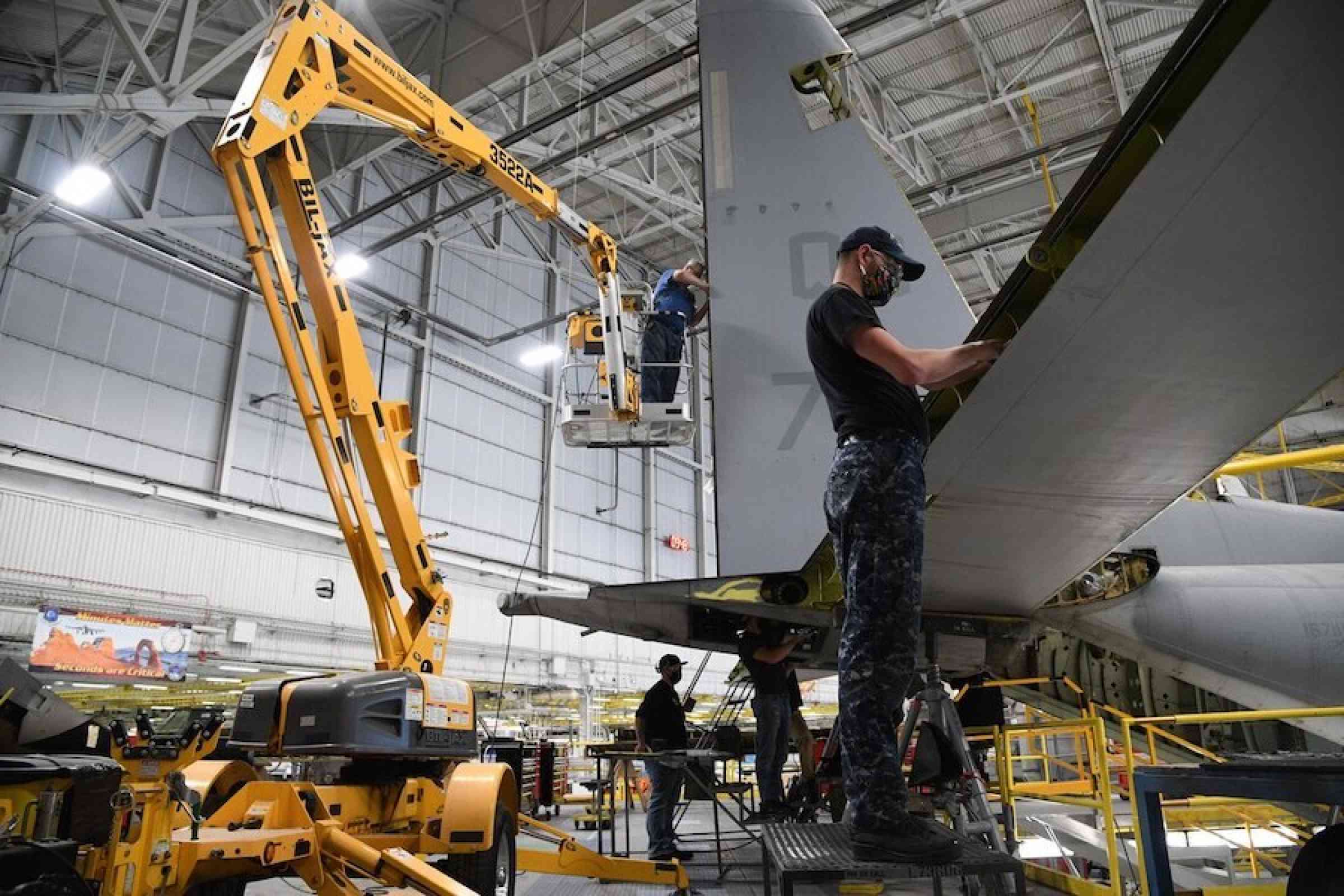
Maintenance work on a C-130 at Hill Air Force Base. Image Credit: Hill Air Force Base.

One of the most important barriers to adoptions, and a fundamental pillar in Biden's AM Forward initiative, is the creation of standards. This critical element is not going to be solved by any single industry player alone. As designed, the initiative will facilitate collaboration across many additive companies to drive the creation of standards in software, security and materials qualifications. I applaud this effort. We need to work together to establish standards for the bigger benefit of American manufacturers and consumers. We want to do our part bringing high-paying manufacturing jobs to America, bolstering our country's industrial might, and reducing inflationary pressures on domestic consumers. Standards will help our industry achieve the scale it needs to solve these problems.

A ruggedized 3D printer deployed for military applications. Image courtesy of Markforged.

The Biden administration is taking the right steps to build resilient domestic supply chains while elevating manufacturing in the U.S. Better outcomes will be achieved across the board – not just for 3D printing companies, but for manufacturers of all sizes and the U.S. consumer.

In the meantime, we're doing everything we can to also support the Bipartisan Innovation Act (BIA) — if we can come together and get it passed, adding a U.S. Supply Chain Office that invests in the capabilities of American manufacturers would be a monumental win for companies and consumers alike.

About the Author

Shai Terem has been President and CEO of Markforged and a member of its board of directors since October 2020, after having joined the company in December 2019. Prior to that, Mr. Terem served in various roles at Kornit Digital Ltd. and Stratasys; he also served in the Israeli Defense Forces.

The post Biden's AM Forward Signals that 3D Printing Is Ready for Prime Time appeared first on 3DPrint.com | The Voice of 3D Printing / Additive Manufacturing.

New 3D Printing Industries: Connected Healthcare Devices

Posted: 27 Jun 2022 05:00 AM PDT

The confluence of data, healthcare, software, private enterprise, and personalized healthcare devices will be a powerful one. Your Fitbit, smartphone or Apple Watch, will be interconnected with your fitness apps, to your doctor, to your insurer, your health, and your view of your own health. You will have up-to-the-minute access to your pulse, number of steps walked,  time spent sleeping, and a great deal more.

It is yet unknown who else will have access to this data. Would you share it with Apple, Google, your insurer? Will your doctor download the data so they can look at it? Or will the data sensor array that we carry day to day subsist as a completely parallel system? Will you be able to share it with your personal trainer? Or will we all share it with friends? Or will we see this as an intensely personal affair? We know that new phones and watches will be able to look at blood pressure and oxygenation, but where will it all end?

This we can’t yet know. Google, Apple and a plethora of startups are jockeying for a position as your provider of healthcare data. Who will rule and what the rules will be are not known. The wearables market is estimated to be $115.8B in 2021 and could grow to $380.5B by 2028. The fitness tracker market is perhaps worth $34 billion a year. On the device side, aside from the leading US companies, Samsung and Chinese giants such as Oppo and Xiaomi are in the mix, selling tracking-capable devices from $19 to $400. Additionally, there are products such as the Oura Ring, a variety of sleep trackers, Whitings’ ECG tracker, and other wearable bionsensors.

The potential for these devices is huge. OECD countries have an obesity rate of between four and 40 percent. 70 percent of Americans don’t think that they sleep properly one day a month, while 11 percent say they don’t sleep properly ever. 60 percent of U.S. adults don’t exercise enough.

Apps, sensors, and phones could reduce that significantly given the right incentives and capabilities. What’s more, in an increasingly confusing world, we could find certainty and pace in the knowability of the amount of steps we walk or the interconnected small improvements that our programs can check.

However, imagine how software could be used to study human health by monitoring people in their millions. Picture how we could test the efficacy of exercise or diet so much more accurately through tracking a million apps. The recency of the information and the size of the cohorts would be larger than almost any study to date. Imagine if apps could transfer the latest in algorithms and that amazing AI stuff and mix it together with cutting edge tested health advice to give millions of people better outcomes. This could be a very large business and have significant effects on global health. With over 6.4 billion people owning a cell phone, this could be a global, shared industry that could be a part of most peoples lives.

The health, daily life, years of life, and financial impact could be immense. With such big numbers and a big impact, our role in 3D printing Connected Healthcare Devices need only be small for it to be very valuable. We think of medical 3D printing in terms of orthopedics, surgical guides, medical models, 3D printing in hospitals, and bioprinting. At times, we look at such items as surgical instruments and medical packaging. But, there are more valuable applications out there that we don’t consider often.

We learned during the COVID pandemic that we could make production aids, molds for medical products, PPE and the like. However, Connected Healthcare Devices provide a completely new, hereto unloved and overlooked application for 3D printing.

Prototyping

In prototyping, this business is a huge opportunity that has not been sufficiently covered. There are 500 startups in fitness bands alone. There are also at least 64 IoT healthcare monitoring companies as well. This is a plum opportunity for OEMs and service bureaus that has not been addressed.

Small Series

Usually we contrast additive manufacturing with mass manufacturing, particularly injection molding. However, for startups, we can augment traditional production not only through making individual and batches of prototypes, but also to make small, end part series. This could either be done via 3D printing alone or molding with 3D printed mold tooling.

This would allow startups to inexpensively produce series of 50 to 500 devices relatively inexpensively, in turn enabling them go to market quicker or test with many clients to improve fit and functionality. With such a competitive market, months could mean much to the players in it. At the same time, having a better product more accurately designed for its purpose would save a lot of money.

Multiple Sizes

These connected devices often benefit from being conformal to the body. This means that they will have curves that make them more complex and expensive to produce. What’s more, these curves could be much more comfortable if they were available in several sizes. With 3D printing, we could directly or indirectly, via molding, produce many more devices to satisfy the diverse size variations found in users. In turn, these devices could be made more comfortable with 3D printing.

3D Printed Electronics

Conformal and curved devices would also pose a challenge for components such as antennas and batteries. Using additive, we could 3D print conformal batteries and antenna, while extending their functionality. An antenna could be curved to follow the shape of the wrist. It could bend to avoid a microprocessor, and also feature a hole to act as a fastener. This would enable more form factors and also reduce the size of the components, overall. Similarly 3D printed sensors themselves could also play a part in making these devices lighter and more functional. Mass manufacturing 3D printed antenna via aerosol jet has been proven and may be industrialized for this.

Reduce Mass

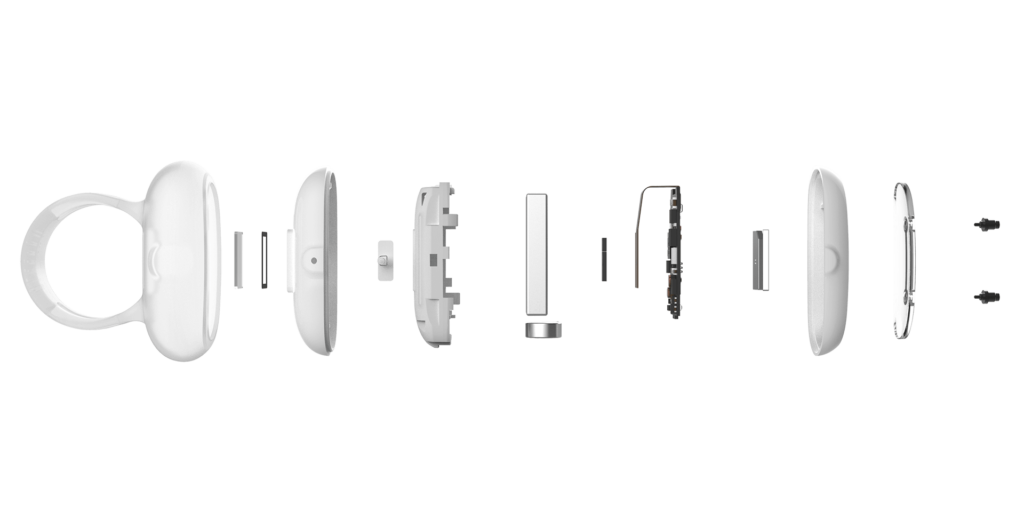
Generally, we could reduce component mass using 3D printing to enable these devices to be conformal, smaller, lighter, or more unobtrusive. This is a decided advantage in these produces, since they are meant to be worn during strenuous exercise, all day, or both. Fitness bands, in particular, also have to squeeze a lot of functionality into a small form factor. Products such as rings will also have a number of issues cramming all the tech in to make the device work.

Less Vulnerable Supply Chains

Additive increasingly makes sense when we consider the extended, brittle supply chains, as well as vulnerable tooling, end use parts, and mold components. Companies may forgo margin in order to reduce a dependency on a supplier or to accelerate market entry, even though the component would be more expensive with 3D printing.

Making Them Fashionable

These devices could become fashion goods, which would mean that many variants, colors, and versions would become the norm. This would make more 3D printed end use parts possible.

Mass Customization

As very personal fashion items, these devices would be ideal for mass customization. Mass customization and 3D printing could play very well together, allowing customers to design their own emotive, lifestyle-matching, unique devices to better fit their lives.

All in all, I believe that we will see a huge potential opportunity for 3D printing in connected healthcare devices emerge shortly. It is yours for the taking.

The post New 3D Printing Industries: Connected Healthcare Devices appeared first on 3DPrint.com | The Voice of 3D Printing / Additive Manufacturing.

The Benefits of 3D Marketplaces

Posted: 27 Jun 2022 04:30 AM PDT

3D model marketplaces have continued to rise in popularity as more and more 3D models are being designed to address particular problems. These models are solving problems in a wide range of industries, such as product development, gaming, movies, art and many more…”. The 3D printed parts can also then be sold to the public whether you print them or have a service provider like JawsTec do it.

Finding the right 3D model can be difficult sometimes. Being able to trust the site and modeler is important. JawsTec is now offering their 3D Model Marketplace for all users and allows reviews and comments to better determine the quality of project and maker.

Selling 3D printable models is a promising way to make a profit and offer people products that just can't be found anywhere else. While there are many options out there, few of them have embraced the possibilities of 3D model NFTs.

A 3D Model Marketplace dedicated to the NFT space allows CAD sales, physical sales, and NFT ownership. The ease of purchase allows for a modeler to reach a variety of customers in different niches. Some models can be exclusive NFTs, while others are practical models for print. This means that you as a 3D modeler are not trapping yourself into one kind of sales type or another and it also allows for you to manage all your sales on one, easy-to-use online platform instead of tracking multiple sites that all work differently.

JawsTec's 3D Model Marketplace is designed to be easy to use for both sellers and customers.

Selling NFTs and other 3D models could be used to get funding before a project even fully launches. Royalties from sold models are given to the model maker, game developer, animator, or designer who posts them to the marketplace. It's also a great tool for marketing, as it can help develop interest, customer trust, and good word of mouth.

What's truly unique about NFTs purchased on JawsTec's 3D Model Marketplace is that, when ordered, the design will be sent to our high-quality 3D printers to be printed and shipped to the customer so they can have a physical model to go with their digital NFT. It might even serve as a proof of concept so that they can use or sell the 3D model they have bought the right to.

All models sold on the Jawstec 3D Model Marketplace will be reviewed by our expert team to ensure they can be printed. This basic level of quality control helps ensure customer trust and prevent easily missed errors that could break that trust.

Jawstec brings the same level of care and craftsmanship to small projects as we do for our work with industry leaders like Tesla, SpaceX, and Apple.  As the full possibility of 3D model NFTs develops, we look forward to being a part of that development. Please sign up here as we prepare to launch.

The post The Benefits of 3D Marketplaces appeared first on 3DPrint.com | The Voice of 3D Printing / Additive Manufacturing.

3D Printing Media Network – The Pulse of the AM Industry

3D Printing Media Network – The Pulse of the AM Industry


TOP CONSULTANT seal 2022 awarded to EOS Additive Minds

Posted: 27 Jun 2022 08:50 AM PDT

EOS’ Additive Minds Consultancy team has been awarded the TOP CONSULTANT seal 2022 at the German SME Summit in Frankfurt, for the 4th time, and was congratulated by former German …

The post TOP CONSULTANT seal 2022 awarded to EOS Additive Minds appeared first on 3D Printing Media Network - The Pulse of the AM Industry.

High velocity ‘Phaser’ nozzle from SPEE3D

Posted: 27 Jun 2022 02:18 AM PDT

SPEE3D, the maker of some of the world’s fastest metal 3D printers, has launched its high velocity ‘Phaser nozzle’, a new, ultra-high-energy nozzle designed to work with a wider range …

The post High velocity ‘Phaser’ nozzle from SPEE3D appeared first on 3D Printing Media Network - The Pulse of the AM Industry.