Thursday, April 21, 2022

3D Printing Media Network – The Pulse of the AM Industry

3D Printing Media Network – The Pulse of the AM Industry


GE Renewable Energy opens facility to 3D print wind turbines towers

Posted: 21 Apr 2022 10:35 AM PDT

GE Renewable Energy today held a ribbon-cutting ceremony to inaugurate a new research and development facility that will conduct research on how to 3D print the concrete base of towers …

The post GE Renewable Energy opens facility to 3D print wind turbines towers appeared first on 3D Printing Media Network - The Pulse of the AM Industry.

Lithoz sells 8 machines in strongest Q1 performance yet

Posted: 21 Apr 2022 08:14 AM PDT

Lithoz GmbH, one of the global leaders in advanced ceramic 3D printing, recorded its best Q1 performance to date with 8 machine sales since the start of the year. Not only …

The post Lithoz sells 8 machines in strongest Q1 performance yet appeared first on 3D Printing Media Network - The Pulse of the AM Industry.

Photocentric and Forward AM renew their partnership on AM materials

Posted: 21 Apr 2022 05:12 AM PDT

The ongoing collaboration between Photocentric, the UK-based inventor of 3D LCD printing, and BASF’s Forward AM brand has been prolonged. The move will see a series of new additive manufacturing …

The post Photocentric and Forward AM renew their partnership on AM materials appeared first on 3D Printing Media Network - The Pulse of the AM Industry.

Elli srl’s ‘New Made in Italy’ philosophy and the integration of AM

Posted: 21 Apr 2022 02:00 AM PDT

Elli srl is an Italian startup developing a new stylistic language in the field of furniture design, with a focus on product innovation and sustainability. Post Elli’s release of their …

The post Elli srl’s ‘New Made in Italy’ philosophy and the integration of AM appeared first on 3D Printing Media Network - The Pulse of the AM Industry.

Additive Industries inaugurates its new UK development center

Posted: 21 Apr 2022 01:04 AM PDT

Dr. Raymond Clinton (Corky) Clinton Jr. (NASA) and Dr. Thomas Rohr (ESA) spoke at the official opening of Additive Industries' new Process and Application Development Centre in Filton, near Bristol. …

The post Additive Industries inaugurates its new UK development center appeared first on 3D Printing Media Network - The Pulse of the AM Industry.

Wednesday, April 20, 2022

3D Printing Media Network – The Pulse of the AM Industry

3D Printing Media Network – The Pulse of the AM Industry


6K Additive’s UniMelt process shown to uses 91% less energy

Posted: 20 Apr 2022 12:36 PM PDT

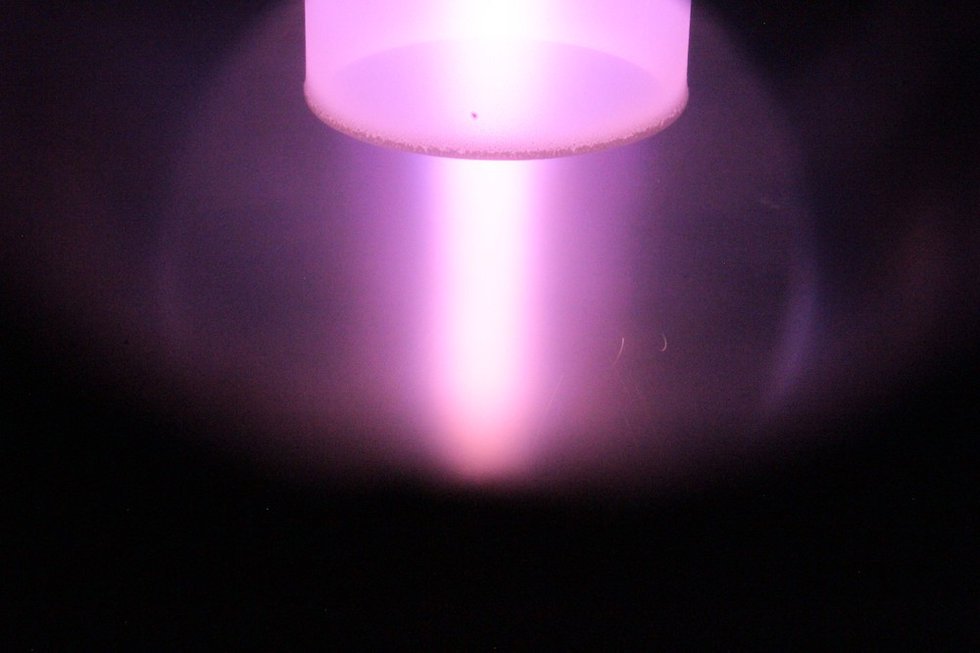
6K Additive, a division of 6K, a company specializing in the production of sustainable advanced materials for additive manufacturing and energy storage, has published the results of an independent life …

The post 6K Additive's UniMelt process shown to uses 91% less energy appeared first on 3D Printing Media Network - The Pulse of the AM Industry.

Win up to 3500$ in cash+ new Flsun V400 printer

Posted: 20 Apr 2022 11:46 AM PDT

The intention of holding this contest is to help 3D printer users find ways to print faster without losing printing quality. Award Setting A range of prizes is available from …

The post Win up to 3500$ in cash+ new Flsun V400 printer appeared first on 3D Printing Media Network - The Pulse of the AM Industry.

3D Printing

3D Printing


How To Set Up A School’s 3D Print Program

Posted: 20 Apr 2022 12:37 AM PDT

3d print programLearn how to set up a school’s 3D print program successfully and enjoy one of the most rewarding experiences in education. Watch students get deeply engaged in their learning process – across geography, chemistry, biology and more! Keys to set up a school’s 3D print program To successfully set up a school’s 3D print program […]

3DPrint.com | The Voice of 3D Printing / Additive Manufacturing

3DPrint.com | The Voice of 3D Printing / Additive Manufacturing


3D Printing News Briefs, April 20, 2022: Funding, Spare Parts, & More

Posted: 20 Apr 2022 06:30 AM PDT

Additive Marking has reported a successful investment round, while PharmE3D Labs received federal funding for 3D printed contraception research. This starts off today’s 3D Printing News Briefs, and then we’ll move right into the VA’s work pioneering new medical 3D printing uses for prosthetics care. Together, Starfleet Innotech and Luyten will make their entrance into the $19 million global 3D printed construction market. Finally, a glass manufacturer is 3D printing spare parts using Sintratec’s solution.

Additive Marking Speeds Up Growth with Investment Round

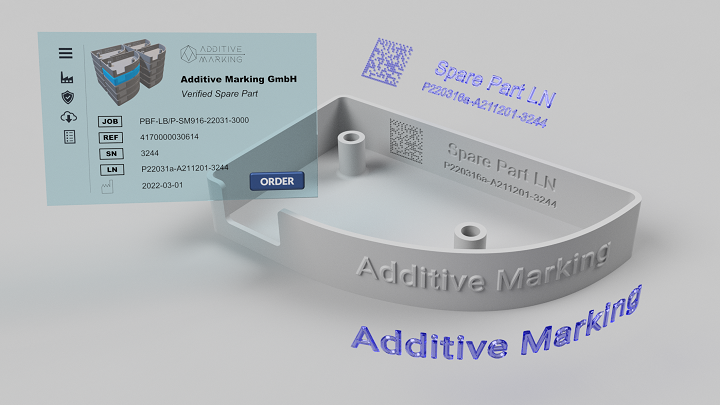
Startup Additive Marking GmbH, together with the HAVER Business Angel Group and Archimedes New Ventures GmbH, announced the closing of a successful six-digit financing round to help accelerate its growth. Speaking of growth, the market for 3D printed products isn’t slowing down, which means that the need for secure solutions to protect and identify components is also growing. Additive Marking offers a patent-pending process that can generate machine-readable codes on a product during the 3D printing process, which makes it traceable and tamper-proof. Additionally, helpful information can be linked to the component as well. This method is more reliable and economical, and faster, than other direct marking methods like engraving, needle embossing, and laser marking. With this additional investment, the company will be able to increase its sales activities and grow its project and consulting capacities.

Additive Marking CEO & Founder Dr. Ulrich Jahnke said, “In addition to the fresh capital, which enables us to open up new markets, we benefit in particular from the know-how within the circle of shareholders.”

UT Austin’s PharmE3D Labs Receive Federal Grant for 3D Printed IUDs

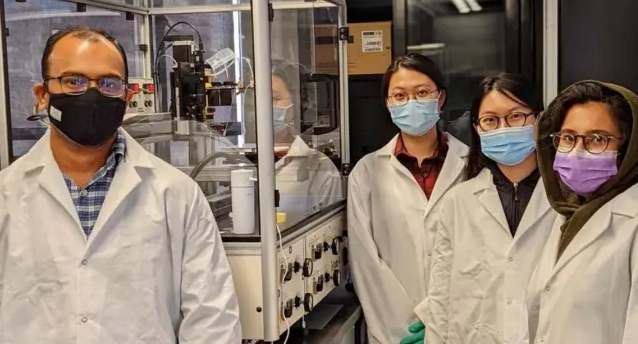
Some members of the IUD project team: Dr. Jaidev Chakka, Anqi Lu, Jiawei Wang, and Dr. Niloofar Heshmati.

The Pharmaceutical Engineering and 3D Printing Labs (PharmE3D) at the University of Texas at Austin College of Pharmacy announced that it will be developing personalized 3D printed non-hormonal intrauterine devices, or IUDs, thanks to a federal grant from the United States Agency for International Development (USAID). The project is in collaboration with Contraceptive Research and Development (CONRAD), which was set up under a cooperative agreement with Eastern Virginia Medical School (EVMS) and USAID, and the goal is to increase global access to effective, long-term contraception, while at the same time reducing some its bad side effects. Commercial IUDs, while extremely effective against pregnancy, can increase cramping and menstrual flow, which results in roughly 10-13% of users having them removed within a year. That’s why PharmE3D Labs wants to use an optimized 3D printing process its researchers developed to produce personalized IUDs, which will hopefully get past some of these issues.

“This USAID grant has potential to make a significant impact on women's reproductive health in the developing world. Our collaboration with CONRAD and EVMS has been fruitful at the further development of 3D printing technologies to tackle global health issues and healthcare access,” said Dr. Mo Maniruzzaman, an assistant professor in the college's Division of Molecular Pharmaceutics and Drug Delivery and the leader of PharmE3D.

VA Announces New Medical 3D Printing Applications for Prosthetics

Photo Credit: Department of Veterans Affairs

Development teams in the Department of Veterans Affairs have introduced new medical 3D printing applications that will help provide advanced prosthetics care. This has long been a priority in the agency’s medical device research, and represents one of the earliest examples of the VA merging research goals with its 3D printing network. At the recent FDA 3D Printing Virtual Workshop, technologists from the Veterans Health Administration and joint Defense Department/VA 3D Printing Consortium showcased some 3D printed prosthetic device prototypes, many of which were designed for veterans who suffered either partial or total limb loss at a younger age but still want to remain active and mobile, doing physically demanding things like lifting weights. Continuity of care was also considered, as these veterans will continue to need prosthetics help as they age, as well as customized and adaptable prosthetics.

“In the military, you’re dealing with a different type of patient. You have these young, active individuals that want to take part in complex activities. They just don’t want to be able to walk down the street. They want to be able to run, they want to be able to climb mountains, climb rock walls, play ice hockey, play sled hockey, whatever they want to do,” explained Peter Liacouras, director of the joint VA-DOD 3D Medical Applications Center at Walter Reed.

“These amputees within the DOD then go on to the Veterans Affairs health care system, and you want to care for these amputees over time. It’s not just a one-day event, you have to care for these amputees for the rest of their lives. Some of these individuals are very young — 20s or 30s — and they want to take place in these complex activities for many more years. So you have to look at all these different applications.”

Starfleet Innotech & Luyten Partner to Enter 3D Printing Construction

Moving on, global investment holding company Starfleet Innotech, Inc. (SFIO) is partnering with additive construction equipment and technology manufacturing startup Luyten in an exclusive agreement to enter the $19 million global 3D printing construction market together. Premiere wellness tourism brand Moraya leads SFIO’s real estate division, and Luyten will now be a big part of championing its mission of wellness through innovation. As part of this strategic partnership, the startup will provide the necessary materials and construction machinery to grow SFIO’s real estate developments in the Philippines—where many Moraya developments will go—in order to build a more equitable, sustainable future for community living. SIFO will have exclusive distribution rights to Luyten’s 3D printing systems in the Philippines, and projects that it will sell at least 50 units of concrete 3D printers to other organizations and developers in the next year. Another result of the partnership will be 500 low-cost housing units built across the Philippines in the next two years.

“Our partnership with Luyten stems from our commitment to invest in the futures of the industries we operate in. Joining Moraya's divisional ecosystem, Luyten will play a key role as an enabler for our various real estate initiatives. Their affordable, sustainable offerings will allow us to build exciting projects that champion both the new communities we hope to build, as well as the existing communities we hope to serve,” said Starfleet Innotech’s CEO Jeths Lacson.

LiSEC Using 3D Printing to Advance its Glass Processing

A bending test rig 3D printed on the S2

Finally, all-in-one flat glass processing and finishing solutions provider LiSEC is using 3D printing to produce its machinery, including components, prototypes, and spare parts. Last year, the Austria-based company invested in an S2 selective laser sintering (SLS) 3D printer from Sintratec, with its better surface finish, in order to meet increasing demands at the company’s factory. The company uses the S2 almost daily to print medium-sized production parts and prototypes out of PA12; one example is a bending test rig, which is used to measure the force needed to deform an aluminum frame. Benjamin Kaubeck, who leads the apprentice workshop at LiSEC’s headquarters, and his team of instructors are convinced that the industrial 3D printing solution is a great idea.

Kaubeck said, “Our vision is to stay at the cutting edge of technology with apprentice training and to establish a department with ever new technologies.

“With the SLS process, we produce a lot of spare parts, which allows us to support our customers faster – and that is our main goal.

“We are positively surprised by the Sintratec technology and very enthusiastic about the cylindrical build volume as well as the handling of the machine.”

The post 3D Printing News Briefs, April 20, 2022: Funding, Spare Parts, & More appeared first on 3DPrint.com | The Voice of 3D Printing / Additive Manufacturing.

French DARPA to Drive Automated 2D-to-3D 3D Printing Software

Posted: 20 Apr 2022 06:00 AM PDT

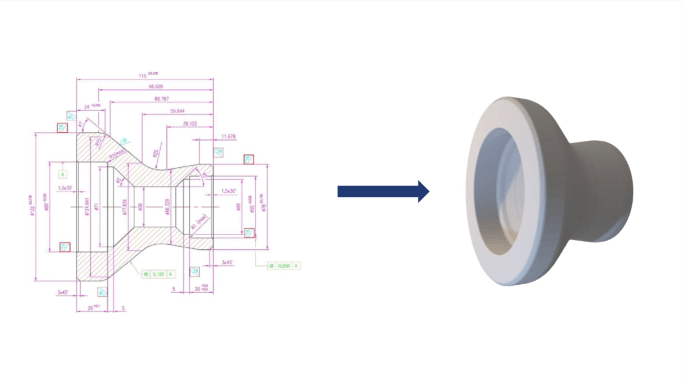
The French Defense Innovation Agency, along with Spare Parts 3D and the University for Research in Automated Production (LURPA) at the École Normale Supérieure (ENS) Paris-Sarclay, have announced that they've begun a joint R&D project. The three-year project is named "RAPID", not to be confused with North America's largest 3D printing event. The goal of RAPID will be to use Spare Parts' proprietary DigiPART platform to create a software solution capable of automated reconstruction of 2D drawings, combined with brief written product descriptions, into printable 3D models.

In a press release, the deputy director of LURPA, Nabil Anwer, explained, "The reconstruction of 3D models from technical drawings is a real challenge for which the combination of digital geometry processing techniques, expert and deep learning algorithms will pave the way for considerable breakthrough in the creation of digital inventories." Christophe Migliorini, Spare Parts 3D's chief technology officer (CTO), noted, "Thanks to this program, we have set up a team at the forefront of technology for the development of this fundamental software module. This will strengthen the attractiveness of our DigiPART solution and consolidate our leadership in the identification of parts for additive manufacturing."

Image courtesy of Spare Parts 3D

Based in Singapore with offices in Paris, Spare Parts 3D was founded in 2015. The company's aforementioned in-house software, DigiPART, employs algorithms to combine semantic recognition and the reading of 2D plans, with material databases and AM techniques, in order to help customers create the most economical and effective digital supply chains. On the user-end, DigiPART has three main components: IDENTIFY, CATALOG, and PRINT. As the labels suggest, "IDENTIFY" assesses the potential for 3D-printing customers' parts, "CATALOG" creates a digital inventory for those parts, and "PRINT" connects customers with the best matches for local 3D-printing services.

Image courtesy of Spare Parts 3D.

The French Defense Innovation Agency was created in 2018, became operational in 2019, and has an expected 2022 budget of €1 billion (currently about $1.079 billion). The agency considers itself something of a "French DARPA" — referring of course to the U.S. military's Defense Advanced Research Projects Agency — and was created after the EU scuttled French President Macron's pet project of creating a European DARPA. It is headed by Emmanuel Chiva, a specialist in AI and military simulation.

LURPA, founded at ENS Paris-Sarclay in 1981, has two main divisions, both of which do work highly relevant to the RAPID project. The Geo3D team researches "the three-dimensional geometry of parts and mechanisms", while the Automated Systems Engineering team studies Discrete Event Dynamics Systems (DEDS). DEDS modeling and simulation is increasingly important to the field of industrial engineering — among other reasons, because it's crucial to the development and optimization of workflow management software platforms.

Various software tools that transform 2D drawings into printable 3D models have existed for some time. For instance, ZVerse, one of the most well-known company in this space, launched an earlier version of its LAYR software in 2015. In recent years, the evolution of these tools, as with the industry as a whole, has been towards greater automation, as discussed in the "Automation, Additive Manufacturing and the Factory of the Future” report from SmarTech Analysis. Like the 3D-printing sector overall, this type of software has improved in recent years. A project like this could be coming along at exactly the right time to push the tech even further. Finally, it also shows how serious all the world's militaries — and not just those of the U.S. and China — are about taking control of their nations' critical emerging technologies (CETs).

The post French DARPA to Drive Automated 2D-to-3D 3D Printing Software appeared first on 3DPrint.com | The Voice of 3D Printing / Additive Manufacturing.

The Top 10 3D Printing Venture Capital Funds and Investors

Posted: 20 Apr 2022 05:30 AM PDT

If you're anything like me, then you endlessly come up with business ideas that you think could really be worthwhile. For instance, what about an advanced AI that will create any media you dictate on command (e.g., "Siri, please curate an episode of Friends in which all of the characters are played by the cast of Seinfeld!")? All that's missing to bring your amazing concept into the real world is the necessary funding.

To help you get your idea off the ground, we are exploring the world of capital funding, specifically with a focus on additive manufacturing (AM). With that in mind, we will begin our series with 3D printing-specific venture capital funds. Not all of the players on this list are entirely dedicated to the technology, but they either have enough of a role in the AM industry or dedicate enough funds to 3D printing that they're worth including.

The post The Top 10 3D Printing Venture Capital Funds and Investors appeared first on 3DPrint.com | The Voice of 3D Printing / Additive Manufacturing.

Hypersonics Take Flight: NASA’s New Metal 3D Printing Alloy Takes 1000°C Heat

Posted: 20 Apr 2022 05:00 AM PDT

Key to the function of proposed hypersonic vehicles, which have proven challenging to the U.S., are high-temperature materials, such as metals oxygen dispersion strengthened (ODS) metals and ceramics. ODS materials are able to withstand reentry forces and hypersonic speeds very well compared to other materials, making them important for space capsules, reusable rockets and hypersonic glide vehicles. But even beyond hypersonics, heat-resistant materials are key to rocket and jet engine performance, as running the engine hotter in order to gain fuel efficiency.

Therefore, it’s more than timely that NASA has released an ODS alloy it calls GRX-810 that can withstand temperatures over 1000°C. The malleable metal has been created for rocket and turbine engines, with applications in launch vehicles, ICBMs, missiles, commercial jet engines, hypersonics and much more. It also follows on from other groundbreaking work at NASA and its Jet Propulsion Laboratory, such as GRCo-84 copper alloy, for engines, as well.

NASA points out that GRX-810 has,

  • ¨Twice the strength to resist fracturing
  • Three and a half times the flexibility to stretch/bend prior to fracturing
  • More than 1,000 times the durability under stress at high temperatures”

"The nanoscale oxide particles convey the incredible performance benefits of this alloy. This breakthrough is revolutionary for materials development. New types of stronger and more lightweight materials play a key role as NASA aims to change the future of flight. Previously, an increase in tensile strength usually lowered a material's ability to stretch and bend before breaking, which is why our new alloy is remarkable,” said Dale Hopkins, deputy project manager of NASA's Transformational Tools and Technologies project at NASA Glenn.

The news is doubly interesting for the additive manufacturing (AM) industry due to the fact that not only is the alloy an interesting candidate for 3D printing but it was created with AM, as well. NASA used 3D printing to “uniformly disperse nanoscale oxides throughout the alloy, which provides improved high-temperature properties and durable performance.”

Based on target calculations, this allows NASA to make GRX-810 in a manner that is lower cost and more controllable than normally possible. Traditionally, ball milling is used to make ODS materials. However, with 3D printing and methods like electrostatic deposition, it’s possible to design ODS feedstock that have a higher performance than those made with other methods. In effect, 3D printing can render these materials more versatile and make it easier for an engineer to design them as the engineer wishes them to be.

What’s more the agency was able to do this quickly. Hopkins said, “What used to take years through a trial-and-error process, now takes a matter of weeks or months to make discoveries.” In addition to 3D printing, what really accelerated NASA’s creation of GRX-810 was thermodynamic modeling, in which computational thermodynamics is used to model and predict energy systems, combustion, and the development of suitable alloys. This development has been underway for many decades now and NASA is sure to have used it extensively, as would other government agencies such as Sandia National Laboratory.

"Applying these two processes has drastically accelerated the rate of our materials development. We can now produce new materials faster and with better performance than before," said NASA material scientist Tim Smith.

What NASA is demonstrating is a material that fulfills what a number of researchers have been dreaming about for a while now. What’s more, the agency could very well have come up with a method to develop many more tailored materials much more quickly than it has before.

3D printing again comes to the rescue in a key area of the hypersonics race: trying to develop the right materials for hypersonic glide vehicles, particular for engine and skin components. However, rather than just being a production technology, AM is acting as a materials discovery tool. 3D printing had previously been used to create unique microstructures and macrostructures, but now it can design the material itself before designing the structure and part later on. This could mean that AM could become a materials development platform and that the design of a precise material for a precise application could go much further than many of us thought that it would.

The post Hypersonics Take Flight: NASA’s New Metal 3D Printing Alloy Takes 1000°C Heat appeared first on 3DPrint.com | The Voice of 3D Printing / Additive Manufacturing.

3D Printing Media Network – The Pulse of the AM Industry

3D Printing Media Network – The Pulse of the AM Industry


Desktop Metal officially launches all-new S-Max Flex

Posted: 20 Apr 2022 07:00 AM PDT

After an early reveal last March, Desktop Metal (NYSE: DM) officially introduced the new ExOne S-Max Flex, a scalable, large-format binder jetting system that 3D prints sand tooling, which foundries …

The post Desktop Metal officially launches all-new S-Max Flex appeared first on 3D Printing Media Network - The Pulse of the AM Industry.

TCT Magazine | Additive Manufacturing & 3D Printing Intelligence | News, Interviews, Features | Additive Manufacturing | Product Development Technology

TCT Magazine | Additive Manufacturing & 3D Printing Intelligence | News, Interviews, Features | Additive Manufacturing | Product Development Technology


Foresight Management carries out independent life cycle assessment of 6K Additive's UniMelt

Posted: 20 Apr 2022 08:08 AM PDT

6K Additive has announced an independent life cycle assessment of its UniMelt process 'significantly reduces environmental impact' in the 'key areas of energy usage and global warming.'

This posting includes an audio/video/photo media file: Download Now

Amnovis to additively manufacture patient-specific ClairnSurgical Breast Cancer Locator products in Europe

Posted: 20 Apr 2022 07:04 AM PDT

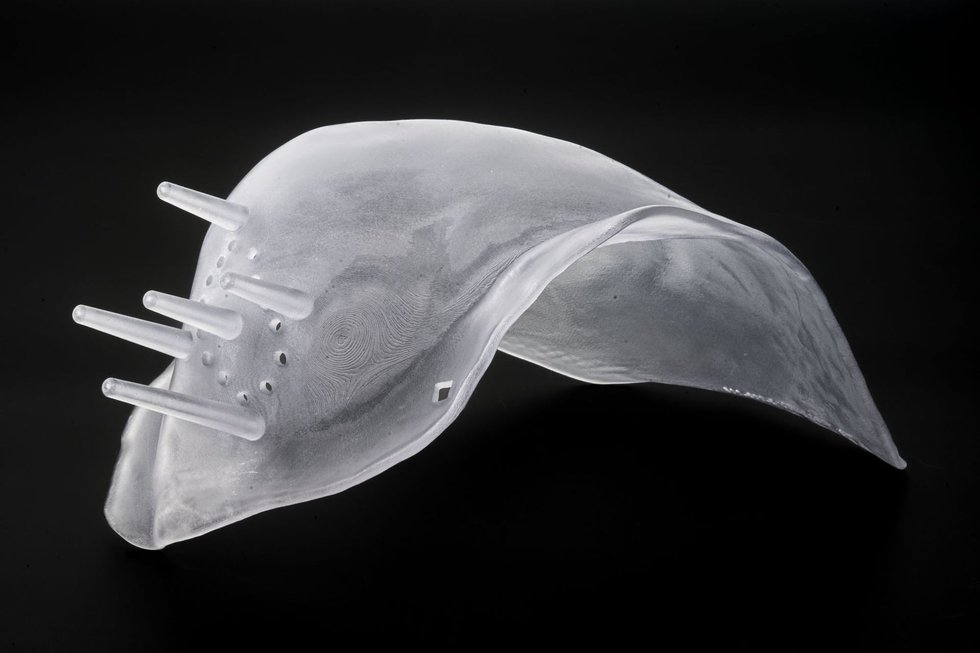
Contract additive manufacturing firm Amnovis has been selected by ClairnSurgical to produce a patient-specific Breast Cancer Locator (BCL) product, designed to help surgeons precisely locate and excise breast tumours, for patients in Europe.

This posting includes an audio/video/photo media file: Download Now

Incodema3D - Reaching new heights with premium metal powders

Posted: 20 Apr 2022 01:26 AM PDT

In this webinar, Incodema3D, a strategic supplier to aerospace and defense customers, will discuss their evaluation of 6K Additive's sustainable nickel 625 powders.

This posting includes an audio/video/photo media file: Download Now

TCT Magazine | Additive Manufacturing & 3D Printing Intelligence | News, Interviews, Features | Additive Manufacturing | Product Development Technology

TCT Magazine | Additive Manufacturing & 3D Printing Intelligence | News, Interviews, Features | Additive Manufacturing | Product Development Technology


6K Additive - Reaching new heights with premium metal powders

Posted: 20 Apr 2022 01:26 AM PDT

In this webinar, Incodema3D, a strategic supplier to aerospace and defense customers, will discuss their evaluation of 6K Additive's sustainable nickel 625 powders.

This posting includes an audio/video/photo media file: Download Now

Phillips Corporation installs Markforged FX20 composite 3D printer

Posted: 20 Apr 2022 01:20 AM PDT

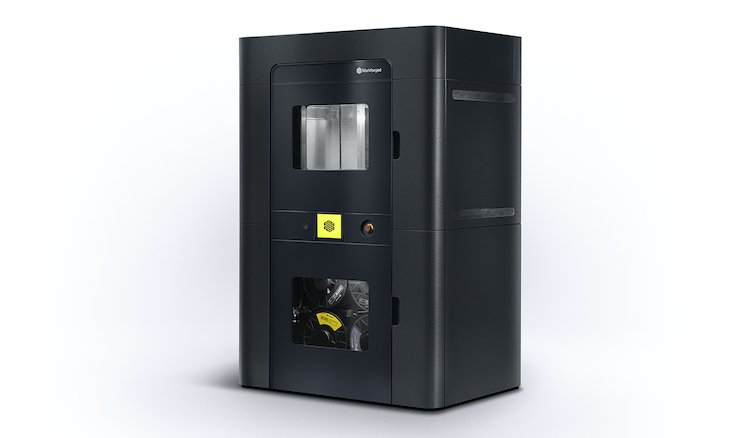
Manufacturing equipment company Phillips Corporation has installed a Markforged FX20 composite 3D printing system, becoming one of the first to take delivery of the large-format machine.

This posting includes an audio/video/photo media file: Download Now

3D Printing Media Network – The Pulse of the AM Industry

3D Printing Media Network – The Pulse of the AM Industry


Former EOS CEO Adrian Keppler joins Roboze advisory board

Posted: 20 Apr 2022 01:24 AM PDT

Roboze, the supplier of one of the world’s most accurate 3D printers for metal replacement with super polymers and composite materials, has announced the entry of Dr. Adrian Keppler, a …

The post Former EOS CEO Adrian Keppler joins Roboze advisory board appeared first on 3D Printing Media Network - The Pulse of the AM Industry.

Tuesday, April 19, 2022

3D Universe

3D Universe


MakerBot SKETCH Classroom Bundle Overview

Posted: 19 Apr 2022 10:24 AM PDT

Meet the all-new MakerBot SKETCH Classroom Bundle, the comprehensive 3D printer solution designed to accelerate learning and design thinking. If you’re a teacher working with students in K-12 and looking to bring 3D printing into [...]

The post MakerBot SKETCH Classroom Bundle Overview appeared first on 3D Universe.

3D Printing Media Network – The Pulse of the AM Industry

3D Printing Media Network – The Pulse of the AM Industry


New RF additive manufacturing laboratory opened by CAES

Posted: 19 Apr 2022 03:00 AM PDT

CAES, a leading provider of mission-critical electronics, has opened its new state-of-the-art radio frequency (RF) additive manufacturing operations in Exeter, New Hampshire. The lab supports CAES' partnership with SWISSto12, a …

The post New RF additive manufacturing laboratory opened by CAES appeared first on 3D Printing Media Network - The Pulse of the AM Industry.

3DPrint.com | The Voice of 3D Printing / Additive Manufacturing

3DPrint.com | The Voice of 3D Printing / Additive Manufacturing


Steel Giant Takes Home Large-Scale Metal 3D Printer from Eplus3D

Posted: 19 Apr 2022 06:30 AM PDT

Rapidly expanding metal powder bed fusion (PBF) manufacturer Eplus3D has found an important client in JINGYE Additive Manufacturing, a subsidiary of Hebei JINGYE Group. Best known for being the owners of British Steel, the $4 billion conglomerate is one of the world’s largest steel companies. JINGYE has acquired an EP-M650, a quad laser metal 3D printer with a sizable build volume of 655 x 655 x 800 mm (2.15′ x 2.15′ x 2.63′).


Eplus3D is a newly emerging maker of inexpensive metal PBF 3D printers that are more than a tad reminiscent of PBF systems made by certain other firms. Together with Farsoon, they exemplify a bold set of Chinese players who aim to conquer the additive manufacturing (AM) OEM market for metals. We’ve mentioned before that Eplus does not only have low-cost machines, but rather large ones, too. This includes the EP-M450H, which has a build volume of 455 by 455 by 1100 mm, as well as the EP-M650.

“The first EP-M650 3D Printer arrived a few months ago and we installed it immediately, which has been continuously printing metal parts. Often one part has to be printed for more than ten days. At present, the printing success rate of our large parts is 100%, and there is no waste product. Whether it is foreign or domestic 3D printers, it is very difficult to do this, as the requirement of the stability is very high. Continuous printing for up to 12 days without any problems in the process, requires high stability of the 3D printer. If the intermediate printing of such a large product fails, a lot of powder materials will be wasted , which may cost a lot , and seriously affect the delivery date,” an unnamed JINGYE representative was quoted as saying.

“JINGYE Additive Manufacturing attaches great importance to the development of 3D printing projects, and spare no effort to provide all-round support, promote the development of high-end manufacturing and intelligent manufacturing industry, and contribute to China’s entry into a powerful country in science and technology.”

Now a few things here that make this very interesting indeed. First off, this could mean that Chinese firms are able to produce cutting-edge systems in the very highest regions of our current market. Everyone expects Chinese OEMs to snip at the heels of established competitors on the accessible end of the product portfolio. However, this may mean that Chinese firms will try to sell their much more expensive wares internationally, as well.

JINGYE´s involvement also points to serious levels of Chinese commercial capital being available to develop 3D printing at an industrial scale. What’s more, with both firms touting this as a part of the “development of high-end manufacturing and intelligent manufacturing industry,” much more local, regional, or national funding could be in the offing.

It is a priority for China to develop high-end manufacturing nationally. In our, “China’s Belt and 3D Printed Road” series, we’ve explored China’s accelerated national development of additive manufacturing (AM). This is a key national priority. We’ve looked at how the country is using 3D printing technology to advance complex manufacturing skills, as well as how it will use AM to extend its technological capabilities.

We’ve also pointed out that the global 3D printing market is split in two, with Chinese firms turning almost exclusively to Chinese OEMs for 3D printers. 3D printing is also an integral part to China’s self-sustainment strategy and to its attempts to make aero engines and craft. What we are seeing here is validation of that thesis that the 3D printing market is actually bifurcated. China will serve as a home base to incubate Chinese 3D printing technology and give companies revenue for expansion. If you are a legacy OEM outside of China and this doesn’t scare you, it probably should.

The post Steel Giant Takes Home Large-Scale Metal 3D Printer from Eplus3D appeared first on 3DPrint.com | The Voice of 3D Printing / Additive Manufacturing.

Bioprinted Wagyu Beef to Hit Automated Production by 2025

Posted: 19 Apr 2022 06:00 AM PDT

Soaring demand for meat alternatives has prompted Japan-based Osaka University to team up with Kyoto biotechnology research corporation Shimadzu and Tokyo consulting firm Sigmaxyz to create a new food tech ecosystem, which includes the development of cultured meat via its bioprinting technology. Furthermore, the three parties have signed a collaboration deal to use bioprinting to solve environmental and food issues and improve healthcare, drug discovery, and medicine.

The collaboration's core foundation is a bioprinting technology that creates muscle tissue structures developed by Michiya Matsusaki, an Associate Professor at Osaka University's Graduate School of Engineering. At his lab, Matsusaki and his group of researchers have been exploring how to produce artificial steak-like meat, especially the highly marbled Wagyu steak.

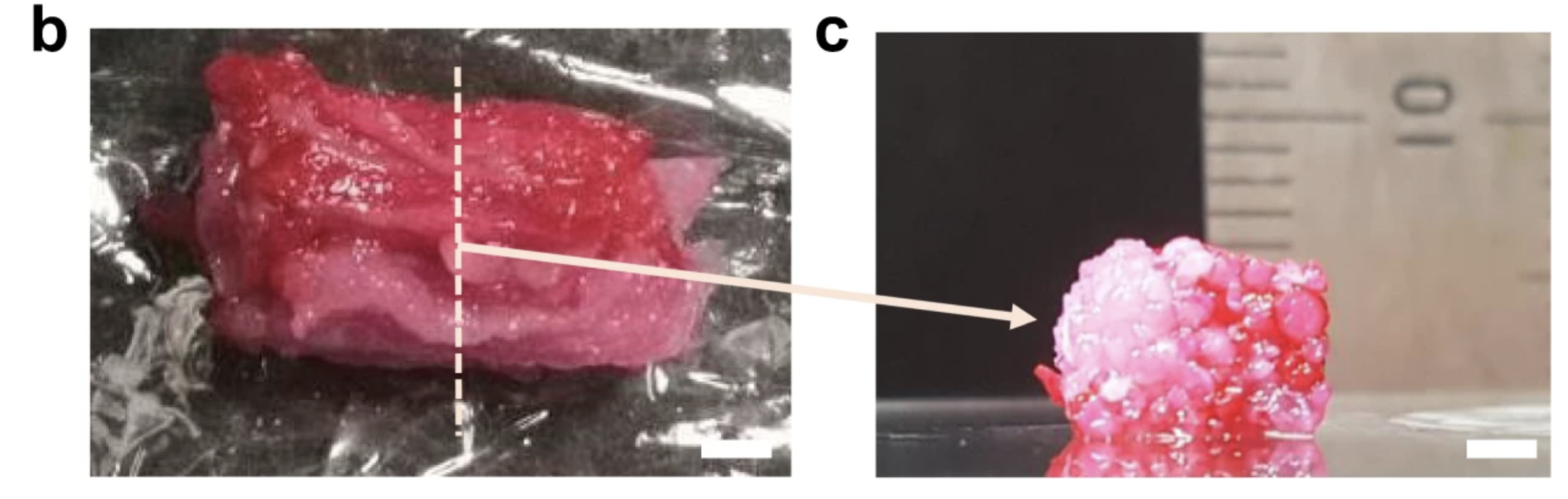
Osaka University researchers created cultured steak with bioprinting.

Osaka University researchers created cultured steak with bioprinting. Osaka University/Nature Communications.

Many of the cultured meats reported so far have a minced structure consisting only of muscle cells, making it challenging to reproduce complex structures. However, Matsusaki and his co-researchers developed a bioprinting process that uses 3D printing to produce the different fibrous tissues (muscle, fat, and blood vessels) and then integrates them into a bundle.

By investigating how to culture stem cells taken from Wagyu cattle, Matsusaki's team has been assembling them using a 3D printer to make a meat alternative of muscle, fat, and blood vessels that mimic the arrangement of a conventional steak. In 2021, they succeeded in creating steak-like meat measuring five millimeters in diameter and ten millimeters long and consisting of muscles, fat tissue, and blood vessels. When sliced perpendicularly, the beef had a marbling structure resembling Wagyu beef.

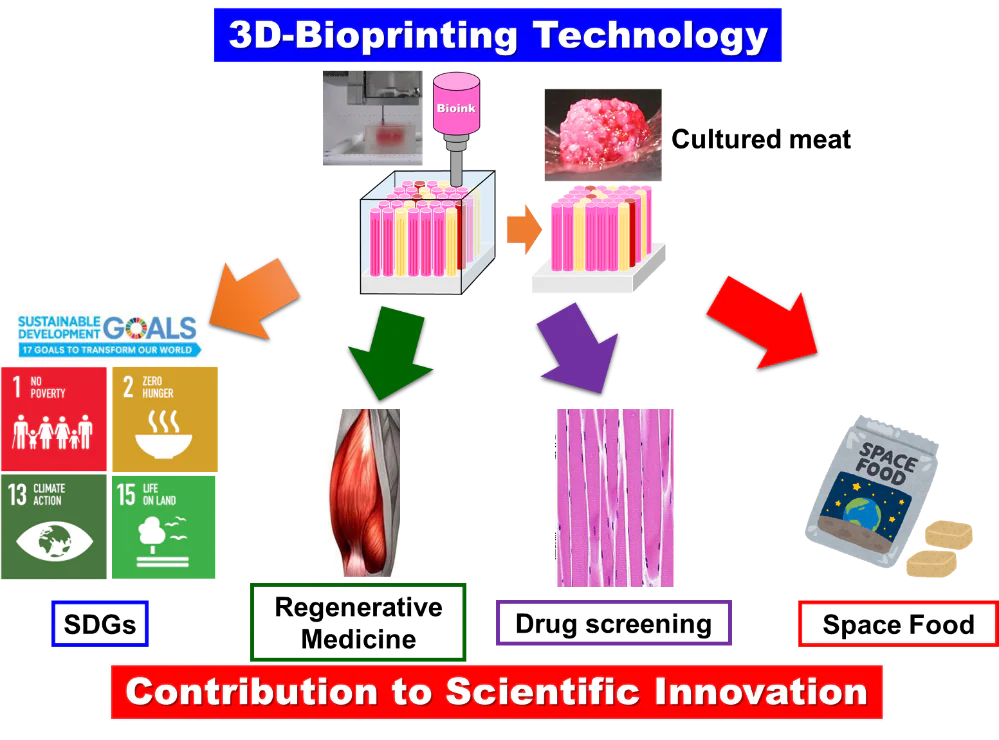
Scientific and technological development based on 3D printing technology.

Scientific and technological development based on 3D printing technology. Image courtesy of Shimadzu.

Researchers can create “cultured meat with a controlled arrangement of muscle, fat, and blood vessels through this technology.” In addition, this bioprinting methodology has made it possible to reproduce the uniquely beautiful marble design called Sashi, characteristic of Wagyu beef, and "delicately adjusting the fat and muscle components," described Shimadzu in a recent statement.

An expert in biomaterial and biomedical engineering, Matsusaki has shown engineered marbled Wagyu meat by using a newly developed bioprinting technique. The work has attracted a great deal of attention both domestically and internationally. However, Matsusaki anticipates that “you can’t eat it yet, so you're going to have to wait. But everyone seems to be very interested in it.” Indeed, that interest led to this collaboration.

Ultimately, Osaka University and Shimadzu will jointly develop bioprinting equipment to automate cultured meat production, hoping to present it in time for the 2025 World Expo in Osaka, held between April 13 and October 13 of that year. According to Sankei News, the team will initially target high-quality meat that exceeds 100 grams and ¥10,000 (roughly $80).

Thanks to bioprinting technology, we have seen companies devising new meat alternatives in the last few years. From Spanish startup Novameat's proprietary bioprinting technique to MeaTech 3D, a company dedicated to creating cultured meat, the broad spectrum of possibilities with the technology is taking the "fake meat" industry by force. However, at its core, bioprinters were developed to create living tissues from bioinks of cells, nutrients, and other biocompatible substances. Therefore, in promoting the creation of cultured meat, the Japanese partners will also develop healthcare models in regenerative medicine and drug discovery, such as internal organs using human cells.

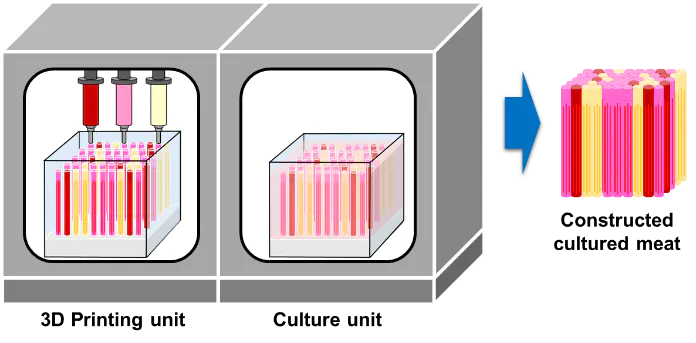
Illustration of an automated tailor-made cultured meat production device by 3D bioprinting.

Illustration of an automated tailor-made cultured meat production device by 3D bioprinting. Image courtesy of Shimadzu.

Each of the three collaborators will play a crucial role in the partnership. Osaka University will continue its efforts to develop tissue engineering technologies, including the 3D bioprinting technique developed by Matsusaki. So far, his unique approach has been ideal for building muscle, fat, and blood vessel fibers, but reproducing more complex tissue and organ structures has been a challenge and will be one of the targets in the future.

Osaka University has indicated it will focus on developing the essential technologies to realize new “reconstruction of complex tissue and organ structures” and “long-term culture of organ models by the circulation of nutrients and oxygen through blood vessels.”

Shimadzu will leverage its know-how to automate cultured meat production and analyze the cultured meat’s taste, texture, flavor, chewiness, and nutritional content. With over 40 years of history, this company has a lot of expertise to draw from. Notably, in recent years, it has focused on developing equipment and technology to automate and streamline the cell culture process through artificial intelligence and robot technology and engaged in research with the National Agriculture and Food Research Organization to analyze the functional components of agricultural products. Further, Sigmaxyz will serve as the program management office for the social implementation of 3D bioprinting technology.

The post Bioprinted Wagyu Beef to Hit Automated Production by 2025 appeared first on 3DPrint.com | The Voice of 3D Printing / Additive Manufacturing.

A Trip to Nano Dimension HQ: Electronics 3D Printing Live and In-Person

Posted: 19 Apr 2022 05:30 AM PDT

Earlier this month, I traveled to Israel for a 3D printing event and several site visits. The final company I had the opportunity to see while in the Tel Aviv area was printed circuit board (PCB) leader Nano Dimension.

When I first began writing for 3DPrint.com in 2016, Nano Dimension was a frequent topic. It announced customer after customer for its newly released DragonFly 2020, touted as the world’s first desktop electronics 3D printer. The company has been going strong ever since. It released its industrial DragonFly 2020 Pro 3D printer in 2017. It opened its first 3D printed electronics service bureau a year later. And it continued to announce advantageous partnerships. Most recently, Nano Dimension unveiled its DragonFly IV this fall, and I was excited to see it for myself at the company’s Israeli headquarters in Ness Ziona.
I was met in the reception area by Julien Lederman, Director of Corporate Development for Nano Dimension, who then took me on a quick tour of the space. We started with the area that houses Nano Dimension’s Additively Manufactured Electronics (AME) systems. These, as Lederman explained, have “effectively two materials in the same printer at the same time.” These include both Nano Dimensions’ proprietary conductive and nonconductive materials, developed in a materials area located on the first floor of the building.

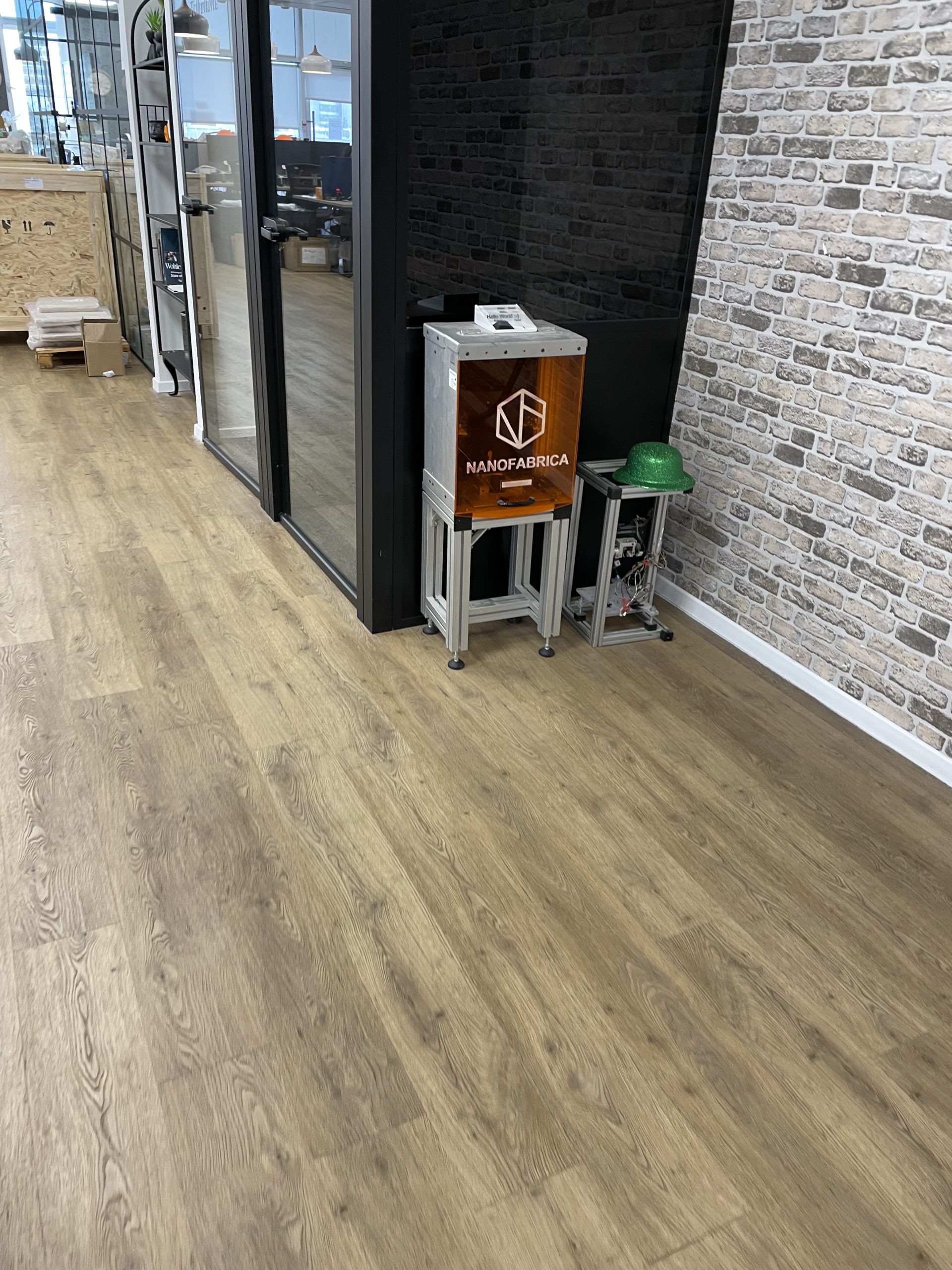
The second floor is where the company’s Fabrica Group (formerly Nanofabrica) 3D printers are. Last year, Nano Dimension acquired and rebranded the microscale AM company, which specializes in precise, tiny 3D prints with features down to 1 micron in size. This was the company’s first acquisition in the AM sector, and as Lederman explained, there are plans for Nano Dimension to acquire more AM companies and “become a dominant player.”
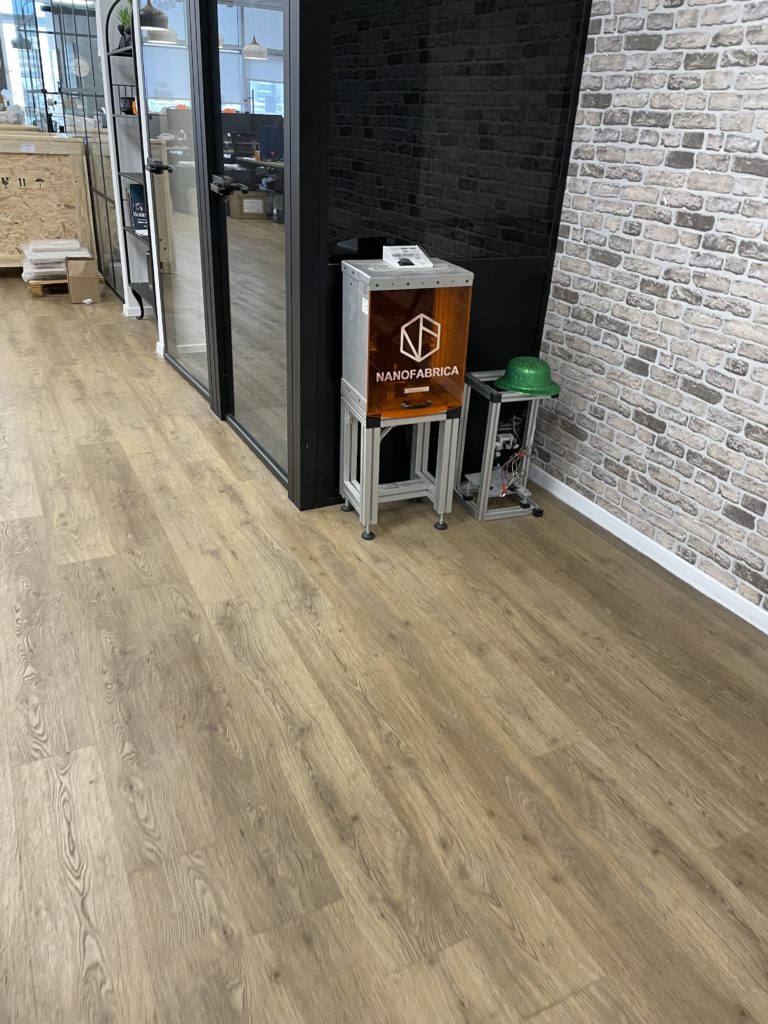
Photo by Sarah Saunders for 3DPrint.com

Though it was the first in the AM space, Nanofabrica was certainly not the company’s first ever acquisition. In fact, the same week that Nano Dimension purchased Nanofabrica, it also acquired DeepCube, a real-time, deep machine learning, AI company. By integrating DeepCube’s software platform into its solutions, and those of its other acquired companies, Nano Dimension can close the loop in smart industrial solutions and “execute machine learning on the fly.”

“So, on top of the revenue we gain from these leading companies in the Western world, we have a complementary technology for our AME solutions,” Lederman told me.

I asked Lederman how micro 3D printing, and other acquisitions, fit into Nano Dimension’s larger tech strategy. He filled me in, starting with electronics company Essemtec, which develops technology for pick-and-place technology. Nano Dimension sells Essemtec’s electronic manufacturing services (EMS) to its assembly customers. Additionally, as Nano Dimension fabricates its PCBs layer by layer, Essemtec’s solutions make it possible to embed components inside and on top of the PCBs.
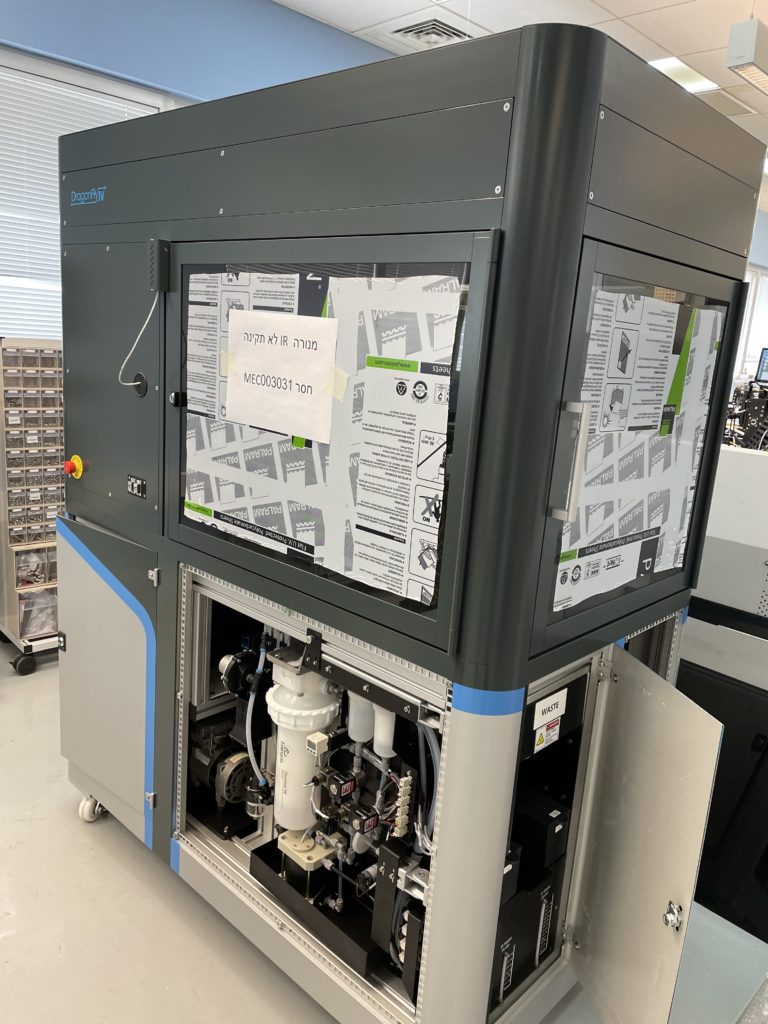
Photo by Sarah Saunders for 3DPrint.com

Nano Dimension also acquired UK-based company GIS (Global Inkjet Systems), which is focused on inkjet technology—the “primary tech in our AME solutions.” GIS has hundreds of global customers in the 3D printing and graphic arts sectors, and sells ink delivery systems, controller electronics for inkjet printheads, and the software that “orchestrates all these components together.” This acquired company has significant revenue, which makes it an ideal acquisition. However, its complementary technology was the real draw here, as Nano Dimension can maximize its own inkjet process used in its AME solutions.

Hanan Gino, CPO and Head of Strategic M&A at Nano Dimension, joined us then, and he and Lederman explained to me that the company’s portfolio offers a proof of concept for academia in regards to AME. According to the executive, the firm’s next-generation systems will be focused on prototyping first, with functional PCB manufacturing coming later. The end goal is to sell the solution to manufacturers producing PCBs. In regards to its strategic acquisitions, Nano Dimension looks for technology that complements its own AME solution, in addition to equipment vendors in the same domain, “which means horizontal integration.”

“We also look for companies who will give us the presence in the right market, and companies in material development, as everything we do is based around this. So, that’s the scope of what we’re looking for.”
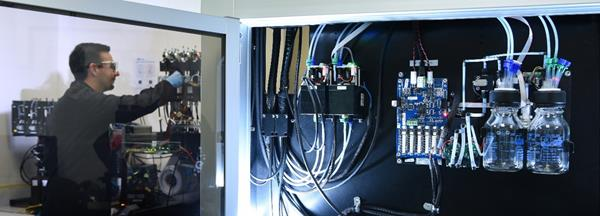
Global Inkjet Systems showing Inkjet System Components in a laboratory environment. Image courtesy of Nano Dimesnion.

Gino explained that Nano Dimension has a “unique operation,” and that it’s growing fast. When he joined the team a year ago, there were 80 employees, but after four acquisitions, they’re close to 500.

“We built the company from the bottom up” he told me. “We have great technology, and a real challenge—we want to revolutionize the electronics industry.

“With the graphic arts domain, and 2D printing on paper…the eye is very sensitive. And then you have 3D printing, which is 3D but not really functional. When you go to AME, you add the functionality dimension. It should be 3D and also functional. So, it’s very, very complex.”

Nano Dimension also invests a lot in different feedstocks for different applications, because the company believes each application will require a unique material. Gino said that Nano Dimension works with 20 external material companies to develop additional feedstocks, and that the company also develops two main families of inks—conductive and electric—in-house.
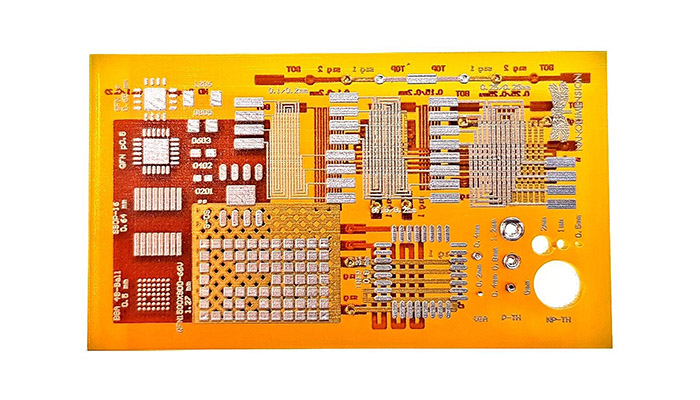
A 3D printed circuit board made with Nano Dimension technology. Image courtesy of Nano Dimension.

I asked how many PCBs the DragonFly can make in a single print process. Gino said it depended on how many materials were needed, as well as the complexity of the product and the number of layers required. But he was able to give me a ballpark figure and said it can take “tens of hours to fabricate this kind of product.”

“That's the current solution we have, but we are in the advanced stages of developing our next-generation product. So, we’re hoping to reduce that number,” he said. “The target is to make a very large PCB in a very few hours.”

Gino explained that for one of their customers, which he wasn’t allowed to name but assured me had plenty of available revenue, Nano Dimension replaced its entire PCB lines—which used to consist of 70-100 stages—with a single solution. This was helped by the fact that the company has several R&D centers, with the main one in Israel, another in Boston, and one in Munich. This helps shorten the time to market.

“In the last year, we've become a totally different company,” Gino said. “We're not young, but since our CEO raised the money, we have the capital and we can use it to acquire companies.”

He said that Nano Dimension also has enough revenue to be disruptive, and has recruited people from some other big-name companies, like Amazon, 3D Systems, and PCB manufacturing company TTM.

“We are equipped with the right people and the right technology,” Gino said.
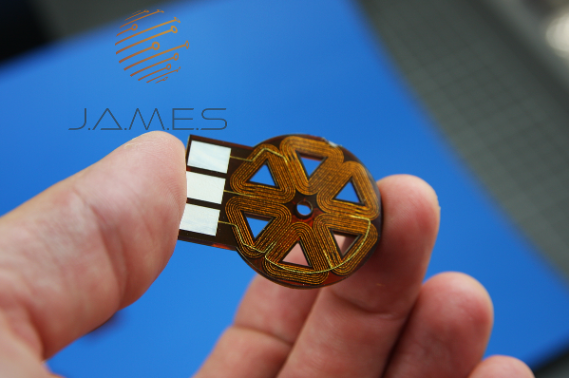
Speaking of TTM, it’s the leading PCB manufacturer in the western world, according to Gino. It is also one of Nano Dimension’s partners, having purchased three of its DragonFly systems. He also mentioned Jetted Additively Manufactured Electronics Sources (JAMES). JAMES is a joint venture with Hensoldt AG, a market leader in civilian and military sensor solutions and defense and security electronics. The goal behind this is to develop a crowdsourcing platform in order to get more people involved in 3D design. Nano Dimension also offers the AME Academy, which is a platform that offers different types of webinars that champion new types of electronics design.

Before I left, Gino relayed some crucial specifics of Nano Dimension’s technology, first noting that strength and weight ratios, and internal architectures, are talked about a lot with AME.

“AME is different from the conventional PCB manufacturing in multiple aspects: it is eco-friendly without any toxic material, it simplifies and digitizes manufacturing processes, and it allows for previously unprecedented geometries and complex devices,” he explained. “With AME, it’s effectively about a multi-material, multi-layer 3D, end-to-end solution that generates the entire circuits in one step, including substrate, conductive traces, and passive components.”

He explained that you are “bound by right angles of connections in the Z dimension and by physical limitations of a PCB” with traditional printed circuit boards, but that you don’t have this limitation with AME.

“Traditional PCB manufacturing isn’t really a 3D structure, it is 2.5D,” Gino explained. “Multiple 2D layers are manufactured separately and then connected through the plated holes (vias) to each other.”

Gino told me that the biggest pain points in traditional PCB manufacturing are holes drilling, holes plating, and the registration between layers. These issues can be overcome with AME because Nano Dimension doesn’t drill holes.

“We print just the pattern itself, we plate the holes using additive manufacturing technology and we print all layers on the same printer, thus we do not face registration problems.

“With our AME tech, we enable electronic designers to utilize and maximize the power of the 3D.”
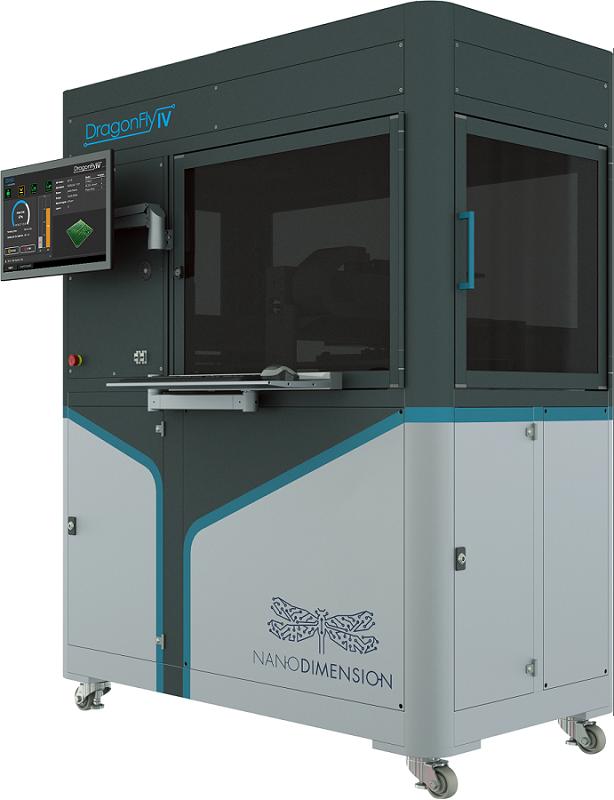
Gino said with Nano Dimension’s solution, “the pads on a PCB can be connected from any point to another directly,” instead of only through the vias, which are holes drilled to connect conductors on different layers.

“It’s like drawing an electronic picture in free space,” he concluded.

To see Nano Dimension’s PCB technology for yourself, come visit the company at Rapid.Tech 3D in Erfurt, Germany, and at RAPID + TCT in Detroit, Michigan, May 17-19.

The post A Trip to Nano Dimension HQ: Electronics 3D Printing Live and In-Person appeared first on 3DPrint.com | The Voice of 3D Printing / Additive Manufacturing.

Swarm 3D Printing Heralds Future of Lights-Out Manufacturing

Posted: 19 Apr 2022 05:00 AM PDT

A number of firms have advocated for—and even carried out experiments in—collaborative 3D printing robots. However, few have brought a suite of 3D printing robots to market. Arkansas-based AMBOTS is one of the few exceptions.

Established in 2015, the firm is dedicated to swarm 3D printing, with AMBOTS as an acronym for "Autonomous Mobile roBOTS and Advanced Manufacturing roBOTS." The company is led by Dr. Wenchao Zhou, founder and director of the AM3 Lab  at the University of Arkansas.

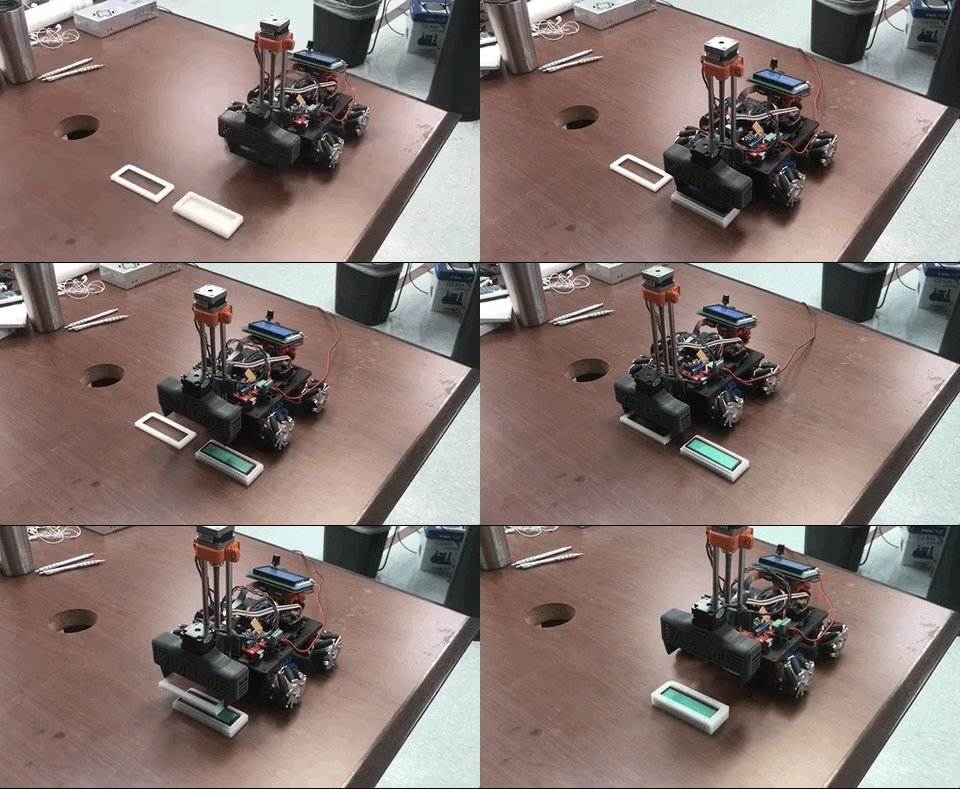
So far, AMBOTS has developed a very unique technology, in which multiple thermoplastic extrusion robots work together to 3D print the same object. This isn't just a dual extruder slapped onto a RepRap. These are multiple separate extruders that can be picked up and moved by mobile robots around a miniature factory floor to print the object. More than that, the robots can perform pick-and-place assembly to create fully functional objects.

The company describes its methodology in this way:

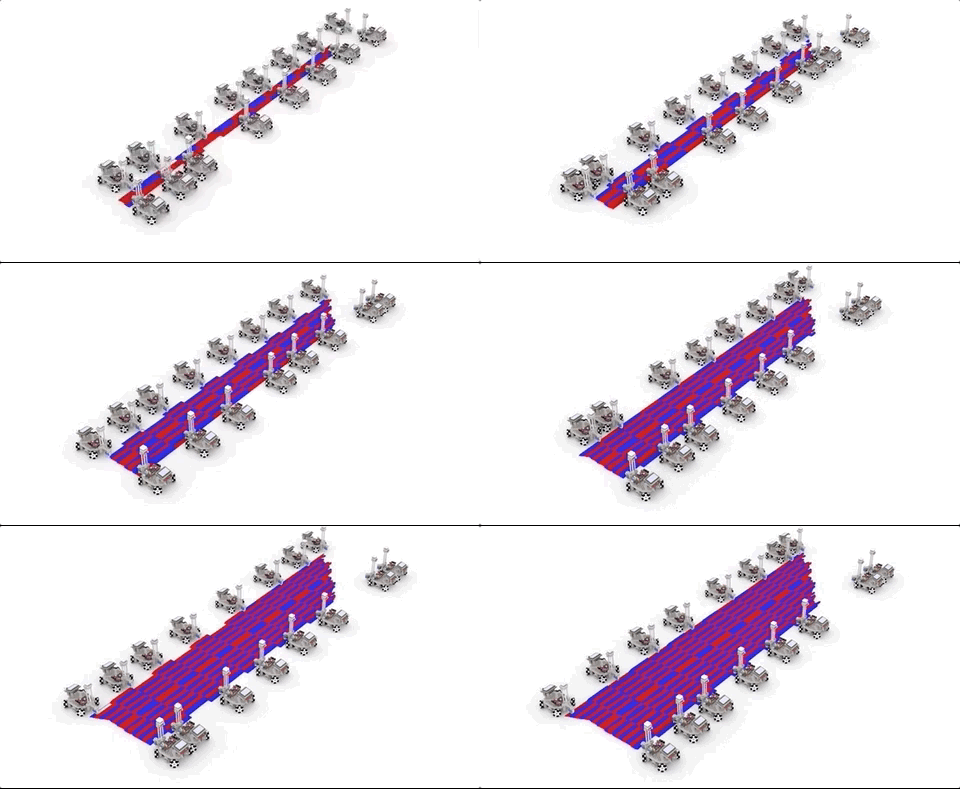
"To ensure the speed of the 3D printing process is not limited by the size of the object, we developed a new chunk-based 3D printing method, which divides an object into smaller chunks to be printed individually. The chunk-based printing method keeps the 3D printing process localized and solves many issues that arise when the size of the object increases (e.g., warping issue, accuracy control, wait times). The chunk-based printing method has been validated in a tensile strength study, which showed the chunk-bond to be stronger than a regularly 3D printed part."

To coordinate all of this activity, the company has created software that can take a 3D model, split it into smaller tasks and assign them to the various bots. They are then scheduled to finish their objectives sequentially and in parallel. The robots are powered by an electrified floor, enabling wireless energy generation. Other features in development include robots that perform tape-laying, screw driving, adhesive printing, and inkjetting.

AMBOTS' technology is remarkable, to say the least. As we have seen by companies like Ocado, warehouse robots can now perform unprecedented sorting and retrieval tasks at blinding speeds. The grocery and robotics firm also 3D prints some 300 parts for its warehouse fleet using HP's Multi Jet Fusion technology.

Divergent 3D has also developed an industrial robotic production platform, in which a collection of robotic arms collaborates to assemble 3D printed metal parts into a complete vehicle. Divergent CEO Kevin Czinger says that this fixtureless system can theoretically go from building a hypercar to building a drone with zero hardware modifications necessary.

It's not hard to imagine that AMBOTS could scale its technology to create machines with a similar size to those used by Ocado or Divergent. Because AMBOTS also features 3D printed parts on its systems, we might envision them even duplicating themselves, finally fulfilling the RepRap dream of self-replicating 3D printers. Combined with Czinger's technology and/or Ocado's, the "lights-out factory" could finally be achieved.

Before we get to that point, of course, there are countless questions to ask. Is a self-replicating, lights-out factory something any rational, empathetic human actually wants? Not only are there the considerations about displacing workers and the possibility of an all-powerful artificial intelligence. We also have to think of the ecological consequences of an endless factory.

Global society already operates on a basis of 24/7 production-consumption, such that countries like China manufacture nearly everything for nations like the U.S. to the detriment of our planetary ecosystem and its interdependent inhabitants. And it does so in a nearly automated fashion, except that the inputs are human and ideological rather than robotic and code based. Even under the existing system, it has become almost impossible for the public to intervene in any meaningful way. The Paris Agreement is a case in point

The only difference between the existing system and a lights-out factory would be that it could potentially produce more stuff more quickly. This would, in turn, result in destroying the planet at an even faster pace, perhaps with even less opportunity for human intervention.

The post Swarm 3D Printing Heralds Future of Lights-Out Manufacturing appeared first on 3DPrint.com | The Voice of 3D Printing / Additive Manufacturing.
The BioElectroCathode Project: The Future of Biofuels, Thanks to an Industrial 3D Printer

Posted: 19 Apr 2022 04:30 AM PDT

BioElectroCathode is an innovative project which aims to develop bioelectrosynthesis processes that can be used to convert carbon dioxide (CO2) into methane (CH4) or ethanol. The two main pillars of the project are the application of 3D printing technology for the production of electrochemical bioreactors and the development of methods to produce the cathodes necessary for the bioelectrosynthesis process. The entire process enables the conversion of CO2 into a biogas-like gas that can be used as fuel. Can 3D printing technology from Omni3D help produce the fuels of the future?

An international, Poland-Cyprus team of scientists in collaboration with Omni3D is working on a technology that in the future may help solve three major problems of today’s energy systems, related to energy storage, grid stability and CO2 emissions.

The BioElectroCathode project aims to innovate the biocatalysis of bioelectrosynthesis processes by:

  • fabricating new cathodes,
  • using 3D printing technology to create a MEBR reactor (3D-Microbial Electrosynthesis Baffle Reactor) capable of converting CO2 into methane (CH4) or ethanol.

What is the BioElectroCathode project about?

In the 3D printed bioreactor, optimal conditions are created for the growth of bacteria, which, stimulated by a small electrical charge flowing through the cathode, convert CO2 into methane or into ethanol.

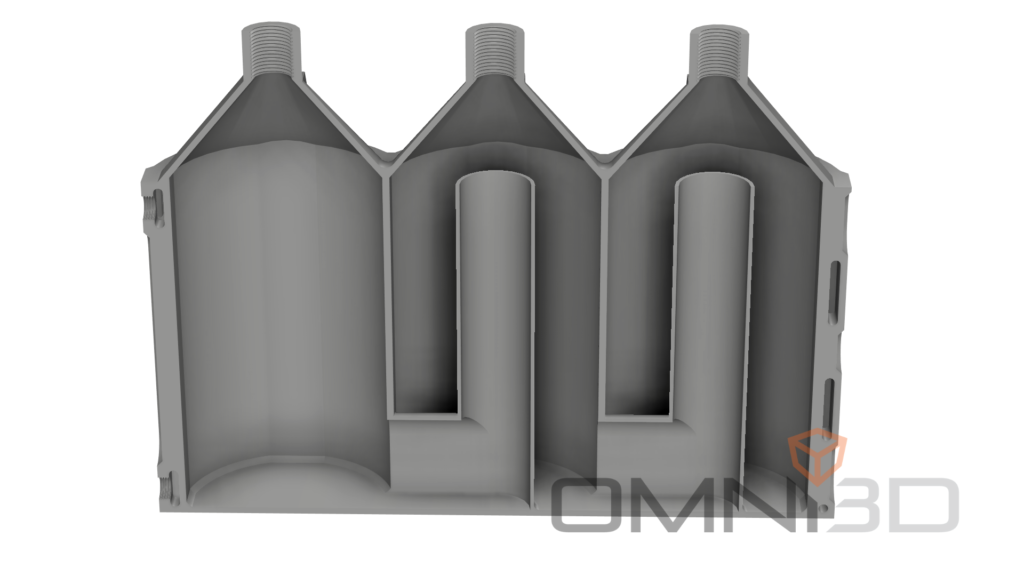
The 3D print was prepared to provide the best possible fluid flow for the bioelectrosynthesis process with simultaneous separation of the resulting gases:

Cross-sectional view of 3D printed MEBR (3D-Microbial Electrosynthesis Baffle Reactor)

The energy carrier produced in this way can be stored, distributed and used, for example, as fuel in gaseous fuel vehicles or in industrial production processes.

The principle of the microbial electrosynthesis system is shown in the diagram below:

Schematic of the microbial electrosynthesis system in the BioElectroCathode project. [S. Bajracharya, Microbial electrosynthesis of biochemicals: innovations on biocatalysts, electrodes and ion-exchange for CO2 supply, chemicals production and separation, dissertation 2016.]

What techniques were used to print the bioreactors?

One of the biggest challenges during the project was preparing a fully tight 3D print to meet the requirements of the BioElectroCathode project. The goal was also to use tested and readily available thermoplastic materials, which in the future will serve for mass, energy-efficient and stable production of bioreactors by incremental technology.

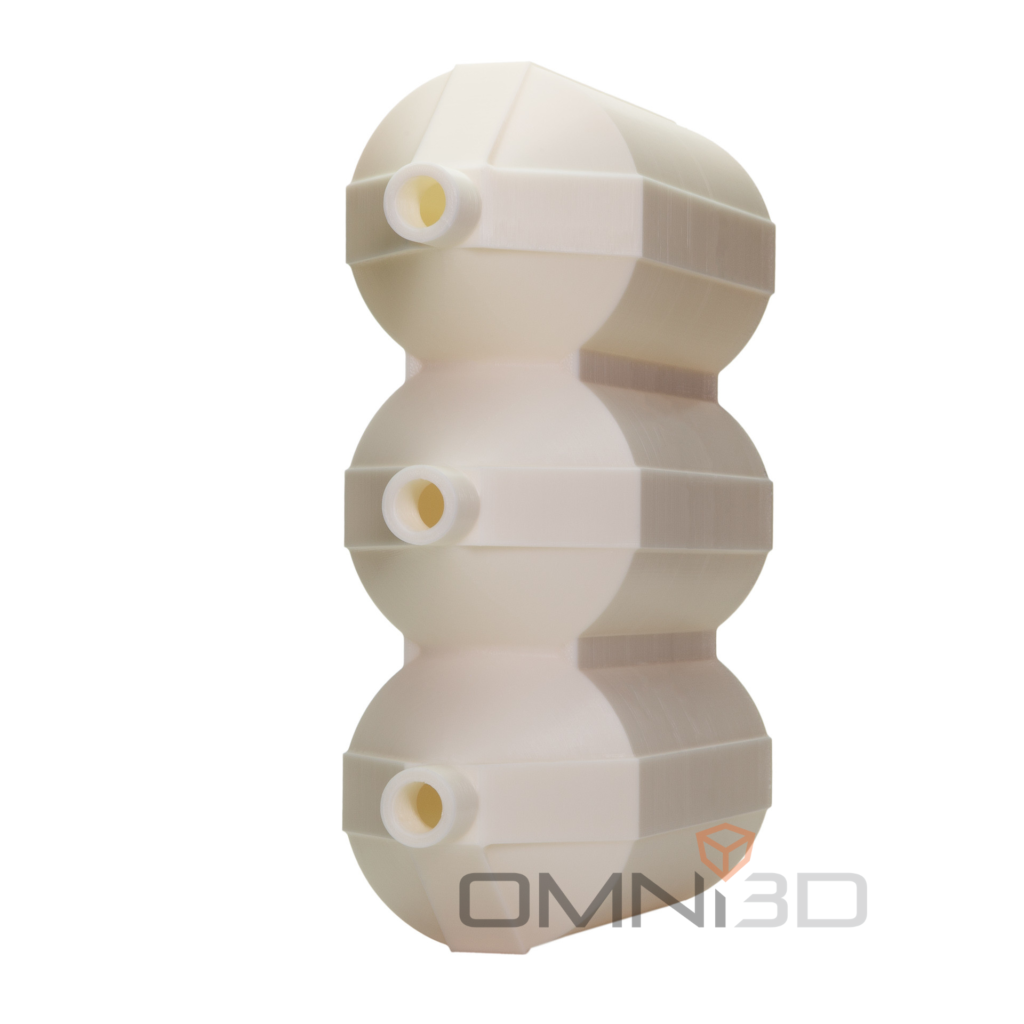
After many tests, ABS and CF-PA filaments were used for the models, and the printouts are created on a Factory 2.0 NET industrial 3D printer. The shape of the reactor evolved during the project to fully optimize the fluid flow inside the reactor:

3D printing: 5 liter MEBR reactor (3D-Microbial Electrosynthesis Baffle Reactor)

Factory 2.0 NET 3D printer equipped with Omni3D Web Control system allows for remote viewing of the 3D printout via camera and thanks to Omni3D AirCirculation function provides temperature control of the printout on its entire surface. Thanks to these features, work on the BioElectroCathode project was not only much easier, but also more efficient.

“The bioelectrocathode science project has enabled Omni3D to identify a new application that is still unknown under standard industrial conditions. On the one hand, we have expanded our knowledge in the area of joining different polymer materials, tested the effects of pressure and temperature on the degree of bonding of model layers. On the other hand, we were able to provide a solution that I hope will contribute in the future to the improvement of living conditions on Earth.” – comments Pawel Robak, CEO of Omni3D

Bioreactors are designed in such a way that their printing takes place without the use of supports. Thanks to this, as well as using a higher printing layer of 0.3 mm, the production time of bioreactor is significantly shortened. 3D printing allowed for multiple changes and improvements to the design. By changing the design parameters of individual reactor elements such as shape or thickness and degree of filling, the structure of the printed device can be easily manipulated and, consequently, the bioreactor’s operation can be improved.

You can read more about the technology and the project on: www.omni3d.com

The BioElectroCathode project is carried out in the following partnership:

  1. Pro-Academy Research and Innovation Center (Poland)
  2. OMNI3D Sp. z o.o. (Poland)
  3. Cyprus University of Technology (Cyprus)
  4. ENERES CPM Ltd (Cyprus).

The post The BioElectroCathode Project: The Future of Biofuels, Thanks to an Industrial 3D Printer appeared first on 3DPrint.com | The Voice of 3D Printing / Additive Manufacturing.