3DPrint.com | The Voice of 3D Printing / Additive Manufacturing |
- New Volumetric 3D Printing Technique Opens Bioprinting Possibilities
- The State of 3D Printing: Reading the Room at RAPID + TCT
- Mitsubishi Electric Embarks on 3D Printing Satellites in Space with Solar Power
- EOS President of North America Discusses the Future of Metal Laser 3D Printing
- Metallum3D Successfully Completes Validation Tests of New Microwave Heating Process for Additive Manufacturing
| New Volumetric 3D Printing Technique Opens Bioprinting Possibilities Posted: 24 May 2022 06:30 AM PDT
The work was carried out by a team consisting of researchers from the Laboratory of Applied Photonics Devices, School of Engineering, Ecole Polytechnique Fédérale de Lausanne and startup Readily 3D. You may recognize Readily for its volumetric Tomolite bioprinter. In its paper, the team explained how it was able to correct for light scattering in opaque resins:
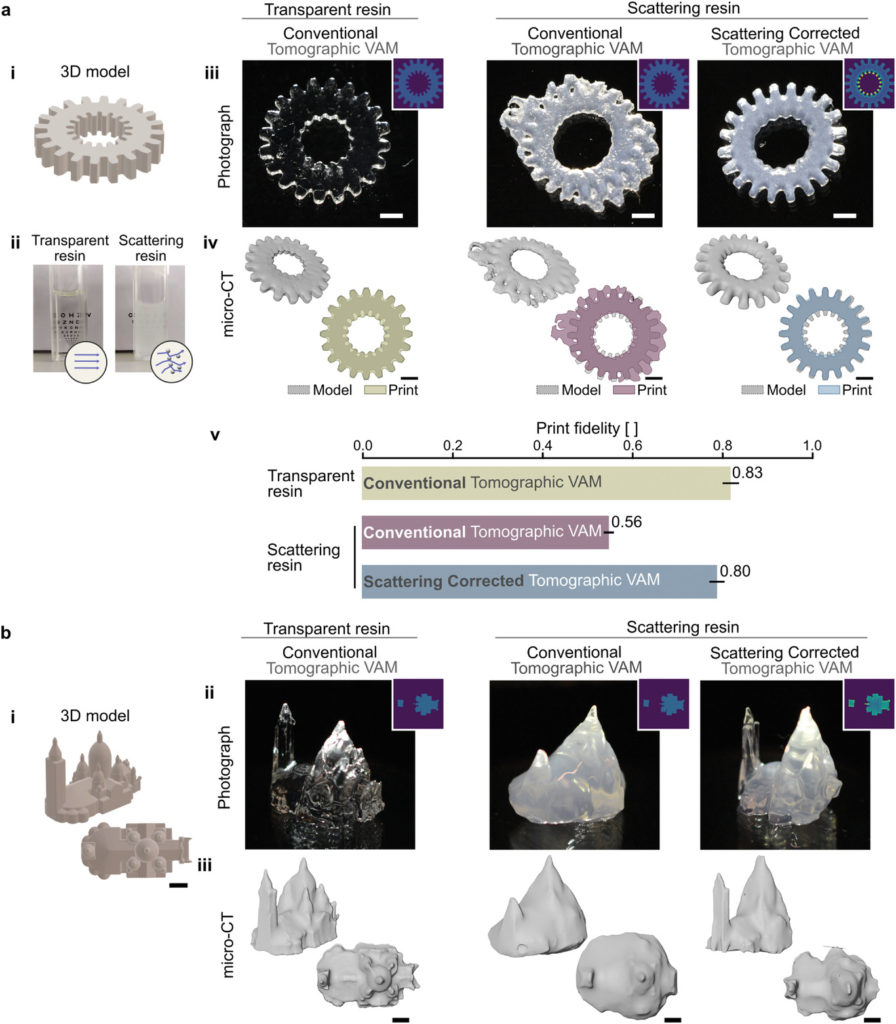
The researchers believe that their approach can be applied to other volumetric 3D printing technologies, as well. However, they do qualify their work in stating that a lot of resins will scatter light way beyond what is reasonably correctable. For now, the team specifically looked at highly loaded cell-laden hydrogels adapted through contrast agents. The team first examined the scattering effects and corresponding changes to the digital micromirror device (DMD) to correct for these effects.  “Scattering-corrected tomographic volumetric additive manufacturing (VAM) allows to print complex geometries with hollow channels in scattering materials, such as cell-laden hydrogels. a) A 3D model of an object with a core surrounded by four interconnected hollow channels. b) Example of a hydrogel containing 4 million cells mL−1. The text written behind a typical vial used for printing is not readable due to light scattering by the cells in suspension. c) In conventional tomographic VAM, the 3D model is binarized into a computed light dose that is used to calculate the set of patterns for printing. When these patterns are projected onto the scattering material, they are blurred and the resulting deposited light dose prevents from printing the target object. d) In scattering-corrected VAM, the 3D model is transformed into a continuous light dose that accounts for light distortions by the gel. The projection of the corresponding light patterns produce a print that matches the geometry and the function of the target 3D model.” Used in digital light processing (DLP) and other 3D printing techniques, the DMD is where millions of tiny mirrors are manipulated to generate an image. By changing the amplitude and angle of the mirrors in the DMD through a correction mask, the team hopes to correct the attenuation and distortion of light in the resin. Their correction method is such that intensity is greatest at the center of parts where it is needed most. Normally, this cannot be done because you’d have to do this by overexposing a section of the vat in order to adequately expose an interior area. Their technique, which they also refer to as “scattering corrected volumetric additive manufacturing”, can also increase print fidelity compared to other volumetric methods. Their technique is especially viable for bioprinting hollow channels, convenient because this has historically been rather difficult to do. It is, however, essential since hollow channels are needed to provide nutrients and oxygen to printed tissue. It is in 3D printed hydrogel hollow channels that the team therefore envision its work to be the most relevant. 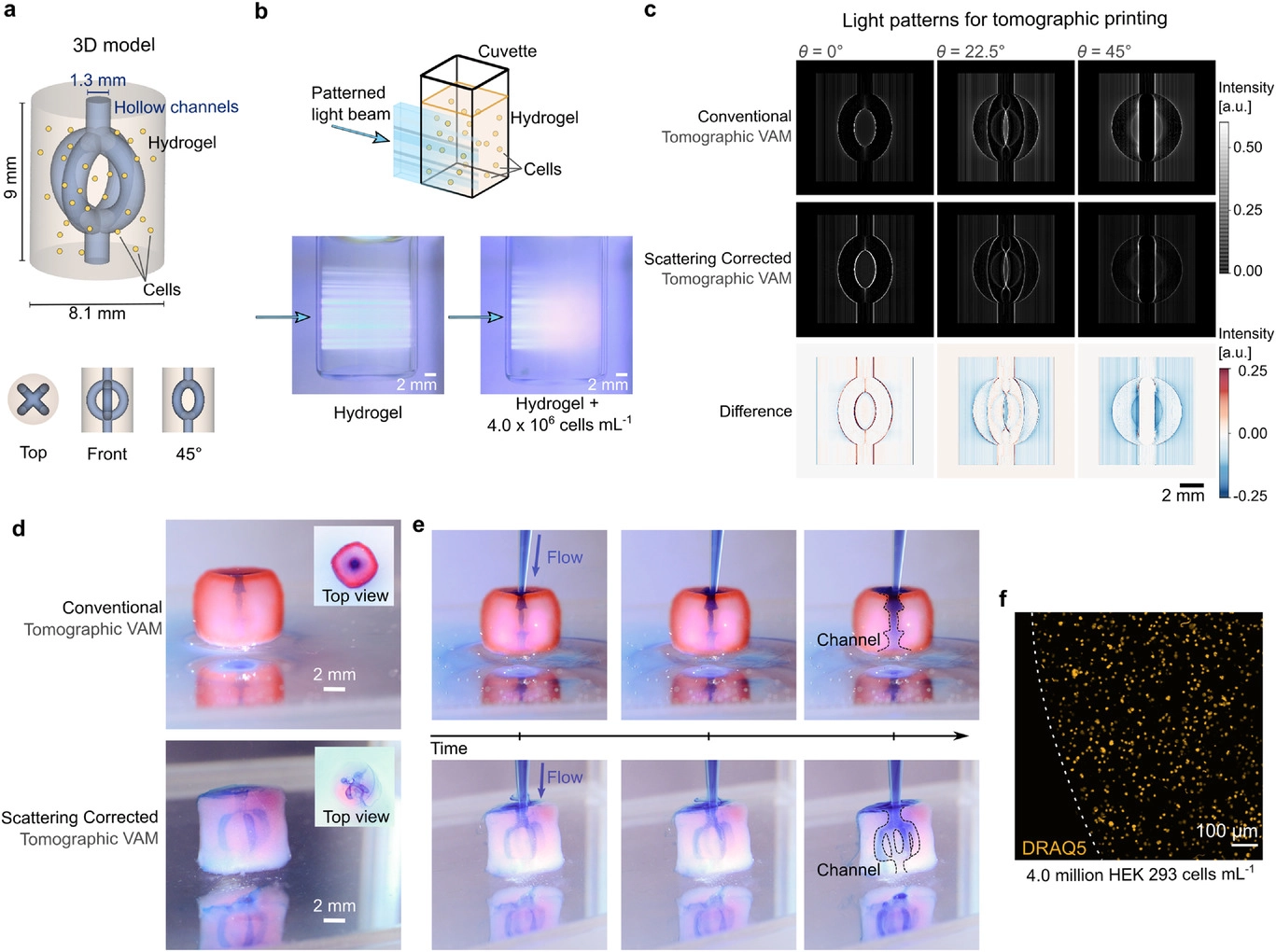 “Bio-fabrication of a functional vascular model in cell-laden hydrogels. a) 3D model of a construct with a core surrounded by four channels, emulating vasculature. b) Side-view of how light is blurred as it penetrates into the hydrogel with cells. c) Corresponding light patterns projected at different angles during tomographic VAM with and without correction. The difference shows by where and by how much is the correction applied to account for scattering d) Photographs of the resulting printed constructs after dying them in red. e) Timelapses of a blue dye flowing through the constructs. The scattering corrected tomographic VAM produces an object that matches the geometry and function of the model; while conventional tomographic VAM results in an unintended malfunctioning tube at the center of the construct. f) Fluorescence microscopy image of stained nuclei of cells in the fabricated hydrogels (4.0 million cells mL−1).” This is good news for the participating researchers from Readily3D (and another Ecole Polytechnique Fédérale de Lausanne researcher who is a shareholder). Readily3D advises that its bioprinter uses a low photoinitiator dose and “shaped light beams from multiple angles” to produce constructs. The main feature is, of course, that because the “entire build volume is illuminated simultaneously, centimeter-scale biological systems are produced in just tens of seconds. After printing, the object is simply separated from the uncured ink and collected.” Low photoinitator doses will of course help mitigate cell death which is a continuous issue with light based bioprinting methods. At the moment, the printer can build objects 27mm high with a diameter of 12.5mm in hydrogels, silicones, and acrylics. The speed of volumetric printing is very exciting, but this team may yet have improved upon it in a very significant way. The team also may have some valuable IP on its hands that it could license to other firms playing in the space. Bioprinting is to be a very long race, a marathon not a sprint. Firms will have to have war chests or continuous revenue to survive the current dearth of funding and emerge at a time when bioprinting is more mature and ready to treat patients. Due to this, it is tough to pick the winners now, but this technology would be an interesting thing to have in anyone’s arsenal—most of all 3D Systems. Image courtesy of Advanced Science. The post New Volumetric 3D Printing Technique Opens Bioprinting Possibilities appeared first on 3DPrint.com | The Voice of 3D Printing / Additive Manufacturing. |
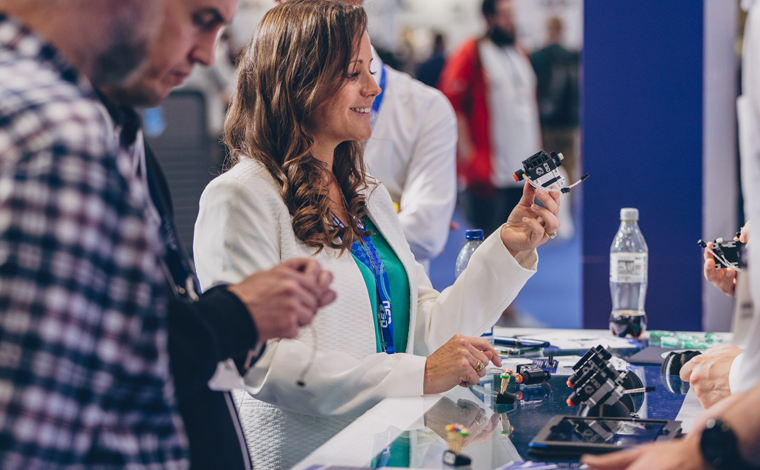
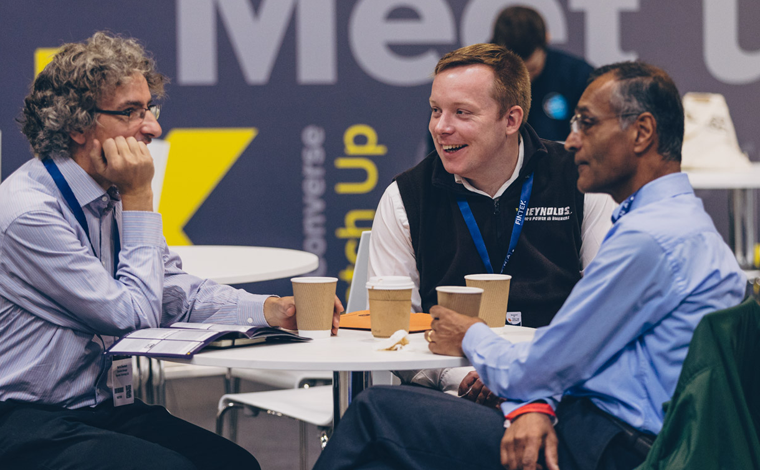
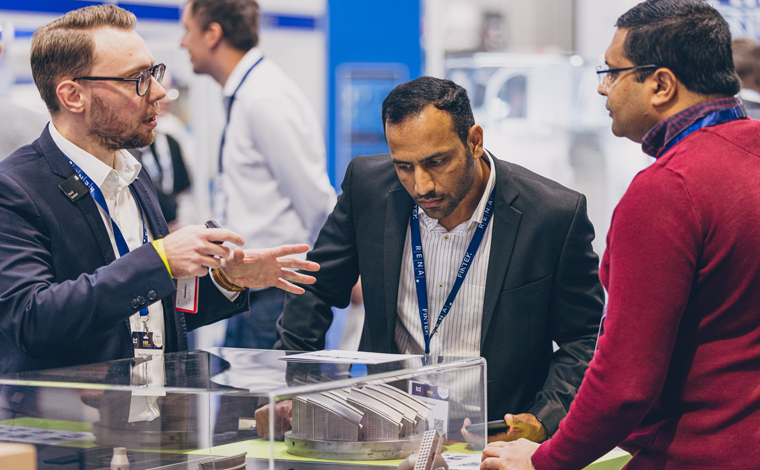
| The State of 3D Printing: Reading the Room at RAPID + TCT Posted: 24 May 2022 06:00 AM PDT As far as cliches go, "timing is everything" is a pretty good one. It's especially useful to keep in mind for when you're making predictions: voice your prediction too early and you risk looking either wildly unrealistic or irrelevant. Voice it too late and you'll seem like you're just hopping onto a bandwagon that's already in motion. Despite its overall steady growth in recent years, the 3D printing industry has nonetheless obviously suffered during the last decade from timing issues. Some of these issues were created or made worse by the behavior of certain companies in the industry. However, for the most part, they were related to larger historical trends that were out of any individual's hands. To a significant extent, the industry suffered from too much hype — in other words, too many overly-early predictions concerning what the technology could/would do— especially in the early-to-mid 2010s. The current state of the 3D-printing sector, on the other hand, is defined by hype-minimization. That was reflected well by this year's RAPID + TCT event, held in Detroit, May 17-19, at the Huntington Place convention center. 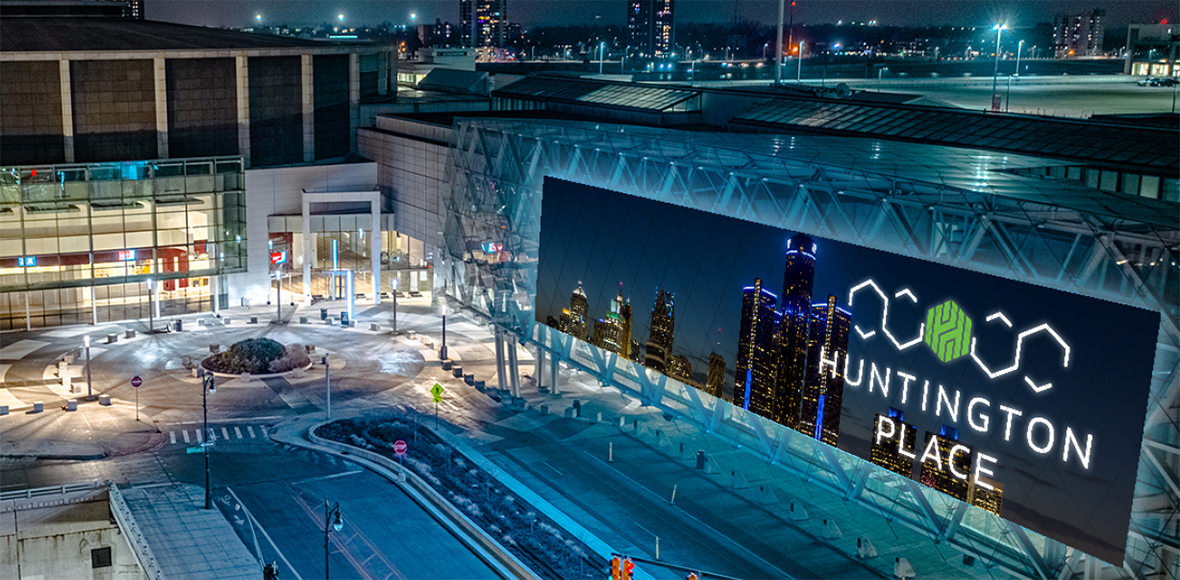 The overall impression I got from the two-plus days I spent at the event was of a sector that seems to have finally hit its stride, and is finally getting its timing right. Again, this is largely not even due to actions taken by entities within the industry, itself. Rather, it has much more to do with external events. For the most part, for instance, the implicit mission statement of the companies on the show floor at RAPID + TCT 2022 seemed to be that they're here to help American industry manage its supply chains. Everyone who follows the industry knows this is one of the things that additive manufacturing (AM) companies tout most concerning the technology's advantages. Nevertheless, it was still striking to see the ubiquity of a single particular message being conveyed, one way or another, by company after company. 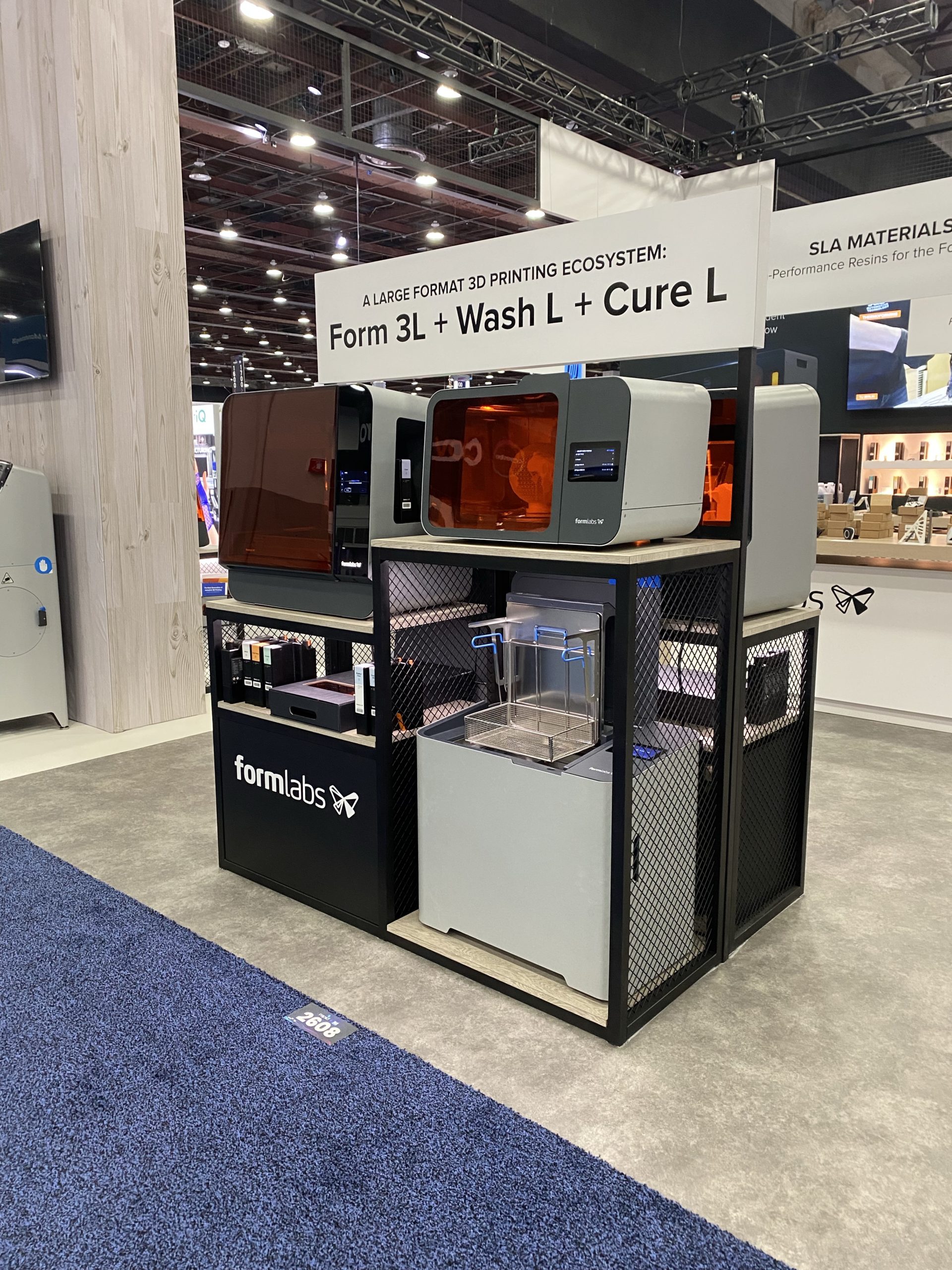 In this same vein, then, it was certainly symbolic that the event started off with Siemens' CEO Barbara Humpton giving a keynote address titled, "The 'Glocal' Future of American Manufacturing". I'm not crazy about "glocal" as a neologism, although it is effective in at least one sense: once you find out it's not just a typo, it becomes clear almost instantly what it means. And in a variety of ways, this was definitely the year of glocalization at RAPID. I think that can be extrapolated out to apply to the state of the AM sector, as a whole. Moreover, I think this factor, in particular, indicates exactly why the industry is poised for further accelerations in its growth over the next several years. 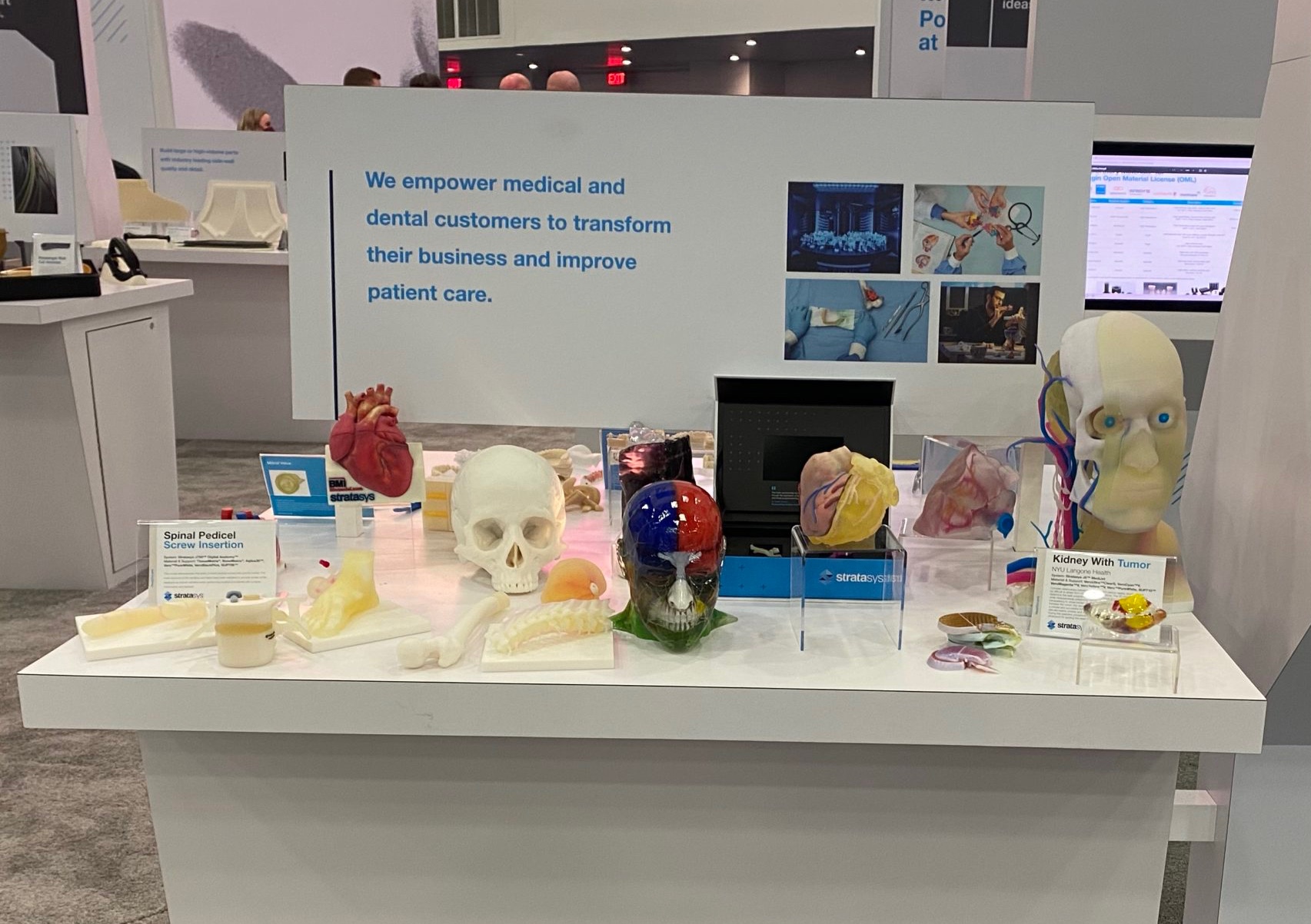 For one thing, simply on the broadest level, you couldn't help but notice the distinctly international makeup both of the companies in attendance, as well as the workforce of those companies. At a time in history when it's becoming less likely that someone lives in the same place where their job is based, the fact that this is already decidedly the case for AM — primarily thanks to the nature of the technology itself — means that the industry will have to adjust far less than other industries to continued changes to how working happens. 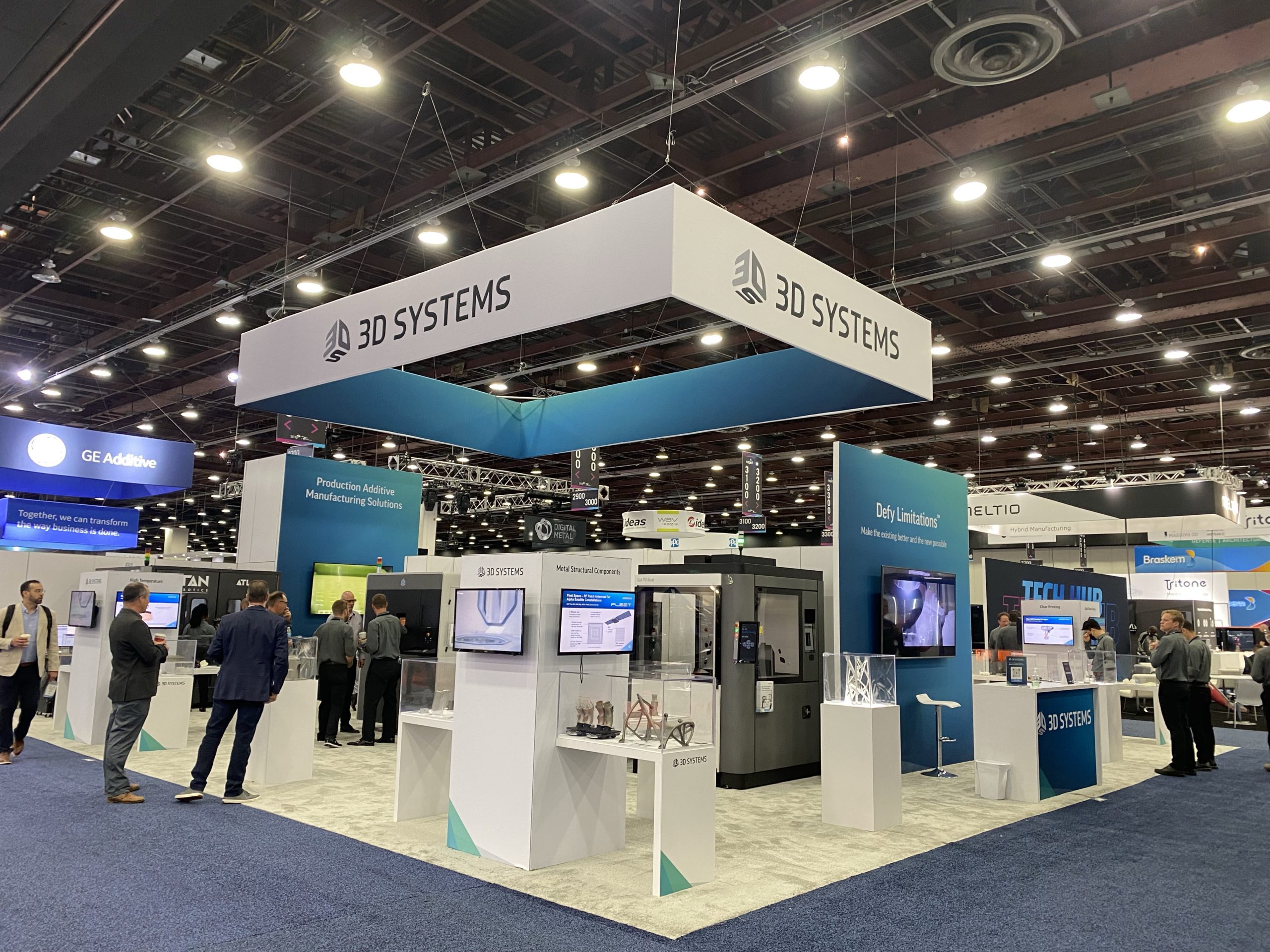 At the same time, it was also clear, just from walking around the trade floor, the extent to which local economies in the United States have already been affected by AM — and how much more so they will be over the next five-ten years. Beyond the raw financial data, the industry over the last five-ten years has gone from one centered around consumer-oriented craftsman tools, to one providing a supply-chain insurance policy for the global economy's most Too Big to Fail manufacturing sectors. If any of the so-called "critical emerging" or "industrial 4.0" technologies are culturally selected to be macroeconomically pivotal sectors in the next twenty years, it's easy to see AM being the one, or one of the primary ones, chosen. And if any country will need glocalization just to have a chance at treading water in the next couple of decades, it's the country where everyone always wants more things at a faster pace. If it's going to fill this role, though, the AM sector will need to standardize and scale-up, which are two more things you heard from just about every company at RAPID. I think both things are going to happen and that they're interrelated. I also think that, in the process of their happening, there are going to be plenty of mergers and acquisitions along the way. At the show, you didn't see too many truly new developments. You also saw plenty of instances in which multiple companies were selling more or less similar applications. In a way, this is positive, as it means the industry has become less gimmicky and is finding its foothold in the broader economy. On the other hand, of course, it also means that, if the industry as a whole is attempting to scale up, only a relatively small percentage of the companies that were in the room last week will make it, especially considering the increasingly dim outlook for the economy-at-large. If there were something like 400 companies at RAPID 2022, by RAPID 2025, it's possible that only 75-100 of those companies exist in some form or another. The industry probably needs to consolidate in order to grow further, and once that growth starts, the landscape will consolidate even more, and so on. Finally, it was evident from the attendance that glocalization of the future workforce will clearly continue to draw more and more people into the sector. This is what will truly be the key, in the long run, in order for AM to follow through on its technological promise. According to TCT Magazine's write-up on the event, about 1,000 middle and high school students were there as part of the organization's Bright Minds program. There were many college students in attendance, as well. One attribute that AM has that other technologies don't is that it allows individuals to actually make something they can see and touch, and this appeals especially to kids. In general, the show confirmed my general perceptions that the industry is set to exceed its expectations for growth over the next five years, to about $30 billion, according to SmarTech Analysis. It gave me a much better idea of how that could happen. I think the larger companies have considerable leverage to control increasing amounts of the industry, all the more so the worse the economy gets. RAPID suggested that the industry is ready to go both globally and locally — and that the companies that comprise it are ready to compete. The post The State of 3D Printing: Reading the Room at RAPID + TCT appeared first on 3DPrint.com | The Voice of 3D Printing / Additive Manufacturing. |
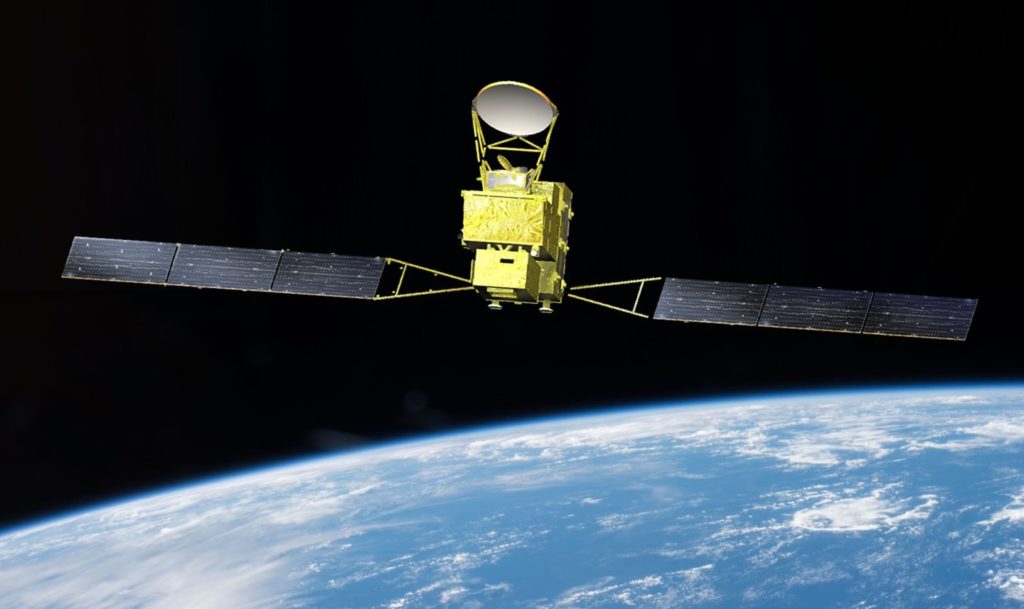
| Mitsubishi Electric Embarks on 3D Printing Satellites in Space with Solar Power Posted: 24 May 2022 05:30 AM PDT I’m bullish on 3D printing antennas, and I’ve also written about the billions to be had in 3D printing for satellites. It’s no surprise then that I’m very excited about the intersection of the two, which makes this recent announcement from Mitsubishi Electric particularly thrilling.The company aims to 3D print antennas for satellites and other components in space.
What the company is developing is an “on-orbit additive-manufacturing technology that uses photosensitive resin and solar ultraviolet light for the 3D printing of satellite antennas in outer space.” Mitsubishi Electric has managed to make a photopolymer resin that is stable in a vacuum and can be hardened by the sun’s UV rays. The firm’s solar 3D printing process is meant to be able to build large components that can be attached to the main satellite structure (bus). This could mean that relatively compact satellites could be launched before antenna, solar panel arrays, and other elements are attached to 3D printed structures as they are built in space, allowing for a much larger satellite. Ideally this would save a lot of money on launch costs. Mitsubishi also hopes that the printed components would not have to be overbuilt to survive the stress of launch, so that they could be much lighter. This could save in launch costs overall, but you would still have to resupply the resin. Specifically, the team hopes that it can print bodies for antenna because their ¨resin-based on-orbit manufacturing—efficiently realizes high-gain, wide-bandwidth, large-aperture antennas deployed from a lightweight, vibration-resistant launch package.¨ This is a very innovative approach and makes a lot of sense. Tethers Unlimited and Redwire subsidiary Made In Space have looked at similar in-space, in-orbit fabrication ideas previously. However, the idea to use solar curing is new. The idea of using it to help usher in new satellite designs could see some very impressive benefits.
This is no idle corporate thought experiment, though. Mitsubishi Electric manufactures air conditioners, elevators, and satellites. The company’s technological reach and breadth of activity is bewildering really. It is working on improved nuclear plants, semiconductors, LED displays, radar systems, robots and much more. In turn, Mitsubishi has the heft and technological expertise to build and implement something like this as well. Japan is also finding itself in the new space race. The company has missed out on the new crop of space startups and has little in the way of exciting ideas to lead the charge in space. However, now we’re seeing a good idea that would be immensely challenging to carry out, but could really make satellites better and more cost effective. Will Mitsubishi pull it off? We can’t be sure at this point. There are really very few things a $34 billion corporation with the technical expertise Mitsubishi has cannot do. It could, given enough internal resources make this happen. But, it’s still a big bet on something very new. This seems sensible, much more so than other in-space manufacturing approaches do. It seems like there could be a business case for it, as well. It could radically change satellite design and have far reaching impacts on the development of space technology. The satellite market is set to grow astoundingly quickly and something like this could very well play a role in the future of the commercial space race. Also, this sounds like it could be the plot of a Bond film. The post Mitsubishi Electric Embarks on 3D Printing Satellites in Space with Solar Power appeared first on 3DPrint.com | The Voice of 3D Printing / Additive Manufacturing. |
| EOS President of North America Discusses the Future of Metal Laser 3D Printing Posted: 24 May 2022 05:00 AM PDT EOS has been the long-established leader in laser sintering, representing the largest installed base in the market. However, as companies new and old attempt to push the segment, particularly in metal powder bed fusion (PBF), the German stalwart may be facing some important challenges. At the same time, metal additive manufacturing (AM) is transforming into an end part production technology. To learn more about how EOS is managing this changing environment, we caught up with the company at RAPID + TCT 2022. 3DPrint.com spoke to Glynn Fletcher, Chief Customer Advocate and President of North America. Fletcher heads all three EOS sales regions—North America, EMEA and APAC—as well as its polymer feedstocks division, Advanced Laser Materials (ALM). We were also joined by Maximilian Eils, Senior Vice President of Sales Excellence. To capture the insights of the EOS team, the full interview is transcribed below. Competition In and Outside of 3D Printing3DPrint.com: How is the new competition coming from the rest of the industry impacting EOS in terms of strategy? Are you shifting gears in any way because of that? Are you adding more lasers or automation to take on some of these competitors? 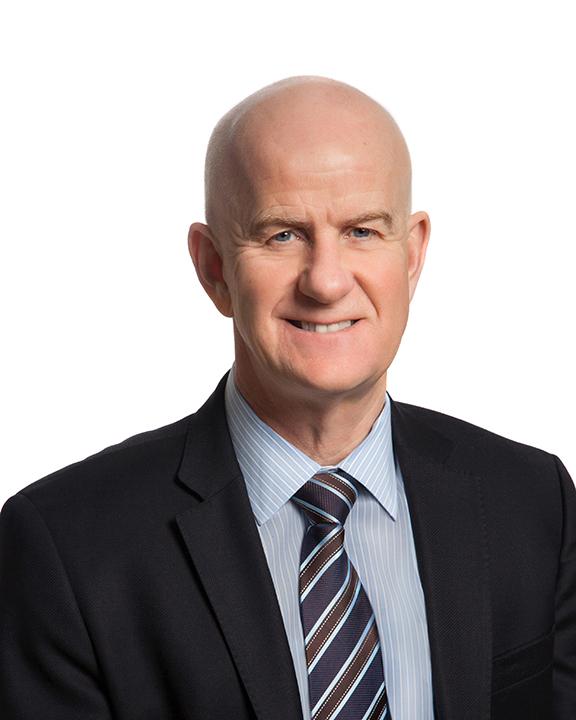 Glynn Fletcher, Chief Customer Advocate and President of North America. Image courtesy of EOS. Glynn Fletcher: There is a lot of additional competition. You look around this place and you can see there’s typically more competition than there was even a couple of years ago. However, when we think about competition, we don’t focus as much on the additive space. We try to think a little bit more progressively. A good way of describing that is that at IMTS in 2018, there were 2,500 exhibitors and a really cool additive pavilion with maybe 25 organizations. If you think about the way that we that we need to develop to make it into the mainstream, it’s not the 25 organizations that are in the additive pavilion that we need to concentrate on competing against. It’s the 2,475 companies in the larger IMTS space. What we have to do as an industry is figure out how to be competitive in this wider manufacturing space rather than bicker and scramble amongst ourselves—because there’s plenty to go around. And I’m absolutely convinced that the secret of success is not a question of getting a big slice of a small pie. It's having a smaller slice of a huge pie. To do that, we have to understand that we’re competing with very mature industries. Castings, for instance, has been around for 8,000 years. If they don’t know what they’re doing by now, there’s a problem. So, we are still nascent. We’re still, say, 30 years old. If we talk about real industrial manufacturing, it’s less like 30 years and more like six or seven. So we’ve got to use the experience and expertise that we have been developing over this period, not to add more lasers and not to enable this and to enable that, but to truly industrialize and make sure that the systems that our customers are using are consistent, reliable, robust, can be automated, can do all of those sort of things that you can typically get well as standard by default when you invest in CNC with milling or turning or grinding. Max Eils: Adding to that: what we see is obviously we’re moving in this market of traditional manufacturing and these companies [that you are referring to], they are new to additive. They might have some experience. Besides really making sure that our machines do have this industrial level and can really run in a production environment and achieve the right part quality, we are also really focusing on taking the customer and helping them to get there because this is also a learning curve for them. And we try to shorten this as much as possible, helping them with the business case implementation.  The EOS M 400 metal AM machine in Audi's Metal 3D Printing Centre in Ingolstadt, Germany (Courtesy Audi AG) 3DPrint.com: Okay, so outside of internal competition within the industry, what are some of those things that end users are looking for to get 3D printing to meet their requirements with regards to quality and throughput for a production scenario? Fletcher: As much as anything, I think it's about confidence. There’s that old saying that we have to overcome the habits of the present. There’s a huge amount of anxiety. People don’t typically enjoy change. We must reduce this anxiety and de-risk the process of investment. To do that we are investing a lot of time, effort, and resources into building an infrastructure that supports the technology. So, we have a group called Additive Minds that guides our customers through the transition process. We’ve made a huge investment in our training and enablement resources. AM is still not plug-and-play and there remains a learning curve. We try to make sure that we provide the necessary resources to our customers allowing them to transition with the least amount of anxiety, the least amount of risk. If you had to take a pillar of our strategy, that would be one of those pillars that we concentrate on a lot: improving the customer experience. Investing in the 3D Printing Value Chain3DPrint.com: Through AM Ventures, the Langer family has invested in some technologies that would suggest that there’s more than just lack of experience and confidence that’s necessary to push 3D printing to the next stage. There's 3YOURMIND for integrating it into the software of a factory, and DyeMansion for post-processing. It sounds like there are still things that need to be done from a technological standpoint to get 3D printing, to fit into an industrial setting. Fletcher: Well, I think that's concentrating on the full value chain. 3YOURMIND is pre-process and DyeMansion is post-process. It’s the same with subtractive today. If we were sitting here and we’re going to create a little CNC machining business, we could get on a tablet and, in five minutes, we could have a Haas machining center with the tooling, the programming, and all of the post processing. We find 5,400 potential operators to help us. It’s all there. It’s all mature and available. What we’re trying to do is build an ecosystem that allows our customers to do the same in a more nascent environment. You’re right, though. There is a requirement to innovate in the technology, but there’s also a huge requirement to innovate around the technology. 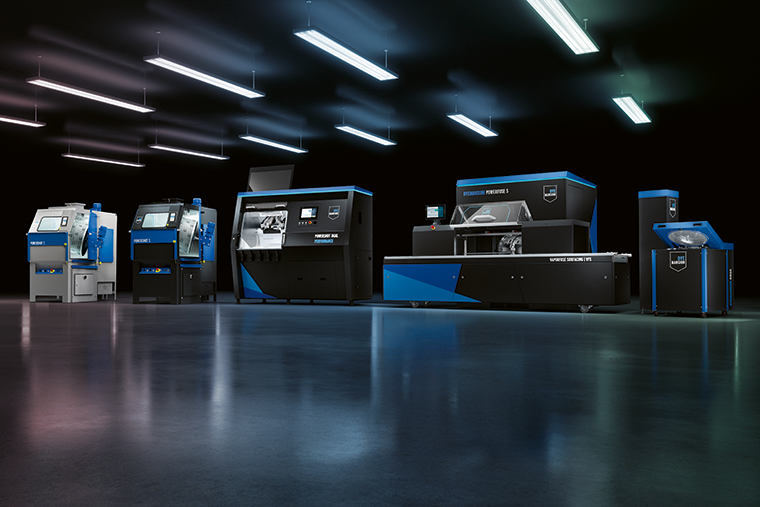 DyeMansion’s Print2Production workflow. Image courtesy of DyeMansion. Eils: In the end, if we have all these pieces in place, what really allows more business cases and applications is the productivity in cost per part. If we look at what we’re investing technology-wise, it’s about the interaction between the laser and the process. Obviously, we have our Shared Modules where you can automate, but now we are really thinking that the next innovation is around how to increase the productivity of our existing machines by using new optics and new scan strategies where you can really open up a new window of fine tuning the application to really customize this to your need. If we talk about casting, for example, there's a different requirement than if you are talking about milling. You can really define what you need. You need less density, but higher productivity, and now you’ve become more competitive for the consumer industry, medical, etc., where you might need a very, very high density. So I think this is what we look at to get more productivity. Fletcher: There are really cool parts at this trade show and helps create a lot of interest in AM, but what we need to do is produce a bunch of really mundane parts cost effectively, in volume. And then you start to be in the place where you can say we’ve crossed that famous chasm and are now a mainstream manufacturing technology. EOS Expands Abroad3DPrint.com: EOS has been expanding in the United States much more, recently, with the Pflugerville acquisition and the new facility in California. What is the motivation with the U.S. expansion? Fletcher: Well, it’s twofold. First, we want to be as close as we can to as many customers as we can. Our original facility was in Novi, Michigan because of the automotive industry. We then expanded to Austin to support our growing customer-base in that region. Now we want to be in the Los Angeles area to be close to our space, medical and consumer customers with the goal of giving our customers access to resources, technical support—getting closer to where they are rather than asking them to fly to Germany, Michigan or Texas. 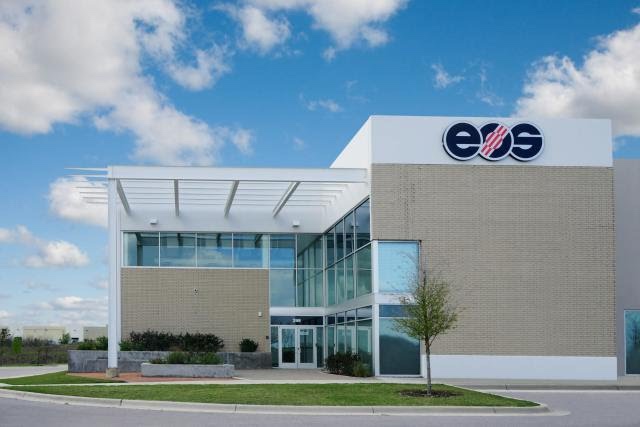 EOS’s location in Texas. Image courtesy of EOS. The second part of it is that we are really, really committed to the U.S. market. We are grateful that the U.S. market has one of the earliest adopters of additive manufacturing. We’ve been very successful over the course of many years now in the U.S. market. And we want to give back and make sure that we are not just seen as a foreign supplier, but that we’ve got a footprint and that we’re doing manufacturing, engineering, R&D, and a lot of added-value activities in the North America. 3DPrint.com: How do you see the increased activity in China, with Farsoon and EPlus as sort of low-cost competitors to EOS? Fletcher: I have a responsibility for all global regional sales. So, the Chinese market reports to me and we have a facility with about 40 people in Shanghai. What we’ve come to realize is that the Chinese market is quite insular. The Chinese government or Chinese companies tend to buy from Chinese companies. As a consequence, there’s EPlus, Bright Laser, and Farsoon. We’re reconciled to the fact that it’s very difficult to compete under those circumstances because Chinese competition tends to less expensive. So, that’s not our strategy for China. Our strategy is to be the most important foreign supplier of high-tech, high-level additive manufacturers. We’re building our organization around that kind of strategy. If we were having this conversation about a year ago, I’d be saying it a is kind of inevitable and only a matter of time before these Chinese competitors start to play a more important role in the European and U.S. markets. I’m not convinced that it's quite the same these days, with the ongoing global situations. There's a lot more nationalism creeping into every country in the world. The more nationalistic the Chinese become, the greater, the resistance there will be in the non-Chinese markets to their technology. 3DPrint.com: India is a growing market, as well. Then prior to the conflict, it seemed like Russia was growing a nascent additive industry. How do you see EOS's position in those two countries for supplying 3D printers to a quickly growing India and to a Russian market that’s trying to develop its own additive sectors Fletcher: Two really easy answers. We’re only committed to India and we won’t do business for Russian. Eils: Only one element, which for me is fascinating is the change of the global focus. Everyone is focused on their own supply chain. COVID, I think, really had an effect that pushed companies to adapt to this digital age. But also disrupted supply chains, we feel in the market, as well. Additive really is getting a boost here in terms of adoption because companies are realizing we need to take care of getting our parts. If we are dependent on certain, let’s say, casting parts that have a huge lead time, maybe shipped from other areas. However, in-time production was always the case for additive. But, now, with external pressure, it’s interesting to see that becomes more and more of a driver. Feature image courtesy of EOS. The post EOS President of North America Discusses the Future of Metal Laser 3D Printing appeared first on 3DPrint.com | The Voice of 3D Printing / Additive Manufacturing. |
| Posted: 24 May 2022 04:30 AM PDT Over the last two years, Metallum3D has been developing a new type of microwave heating process that uses non-resonant, cross-polarized slotted waveguides and a granular susceptor material to evenly distribute microwave energy during processing. Until now, microwave energy has not been successfully used in additive manufacturing applications due to the uneven microwave energy distributions of the current multi-mode resonant technology. Recently, Metallum3D completed the construction of a second-generation microwave furnace that implements non-resonant, cross-polarized slotted waveguides as a microwave energy feeding system. A picture of the microwave furnace is shown below in Figure 1. 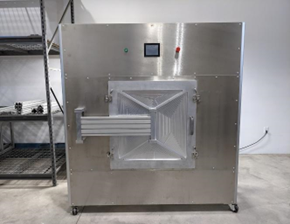 Figure 1 The performance of the non-resonant, cross-polarized slotted waveguides used in this microwave furnace has been simulated using the electromagnetic simulation software CST Microwave Studio. The simulations showed that the non-resonant, cross-polarized waveguides generate an electric field with uniform microwave energy distribution. Figure 2 shows a 3D CAD model of the non-resonant, cross-polarized waveguide pair and a simulation of the electric field being generated in free space. The uniform color distribution within the electric field cross-section is indicative of uniform microwave energy distribution. 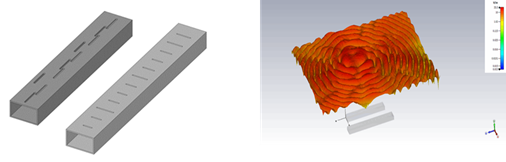 Figure 2 A separate simulation was conducted to evaluate the performance of the non-resonant, cross-polarized slotted waveguides as mounted in the microwave cavity. Figure 3 shows the simulation of the electric field generated by the non-resonant, cross-polarized waveguides at the mid-section of the microwave cavity. The uniform color distribution within the electric field cross-section is indicative of uniform microwave energy distribution.  Figure 3 A recent validation study completed by Metallum3D utilized cast gypsum plates saturated in a cobalt chloride solution and thermal imaging to map the actual microwave energy distribution of the non-resonant, cross-polarized waveguides under operating conditions. After exposing the plates to a microwave field, the heating of the plates causes a color change in the cobalt chloride that forms a color map of the microwave energy distribution. The visual color map results were cross-validated with thermal imaging. The Metallum3D microwave furnace uses two sets of waveguides, with each waveguide being directly fed by 1.5 kW magnetrons for a total of 6kW. Figure 4 shows the internal and external waveguide arrangement. 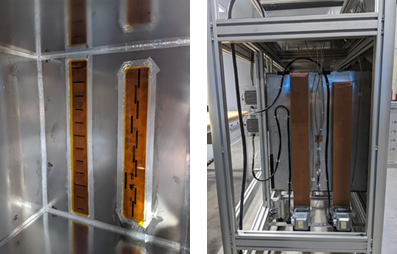 Figure 4 For validation testing, 6 casted plates were vertically loaded into the microwave with the aid of a PVC fixture as shown in Figure 5. 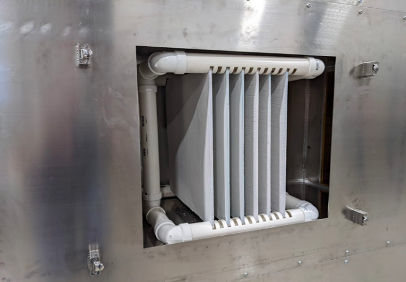 Figure 5 Microwave heating of the plates resulted in a uniform color change of all the plate surfaces from a pinkish-grey color to a bluish-gray color. There was no color banding in any of the plate surfaces indicating homogenous microwave heating throughout the entire microwave cavity volume. The visual results obtained were then cross-validated through thermal imaging, which also showed uniform microwave heating throughout the surfaces of all the plates. The actual microwave energy distribution of the non-resonant, cross-polarized slotted waveguides is in good agreement with the predicted microwave energy distribution previously obtained through electromagnetic simulation. A technical white paper detailing the validation testing and results is available for download at the following link: Metallum3D Technical White Paper Download The successful validation of this new type of microwave heating process by Metallum3D is creating new opportunities for processing additively manufactured parts. Our Microwave Furnace is configured for both microwave sintering and microwave digital casting. For microwave sintering, parts are embedded in a granular susceptor material within a microwave transparent and thermally insulating box for rapid microwave sintering, which is up to 90% faster than conventional sintering. A schematic representation of the Metallum3D microwave sintering process is shown in Figure 6. 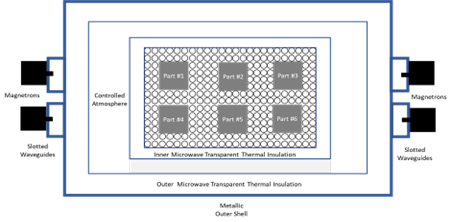 Figure 6 Microwave Digital Casting is a process that combines additive manufacturing and microwave heating to create a new agile and cost-effective casting process that bypasses the need to pour molten metal into a mold. The first step in the microwave digital casting process is to 3D print a sacrificial ceramic shell mold. The second step is to fill the ceramic shell mold with a metal powder and embed it in our granular susceptor material. The third step is to place the embedded mold in our microwave furnace to melt the metal powder within the mold to form a cast part. Figure 7 shows the basic steps of the Metallum3D Microwave Digital Casting process. 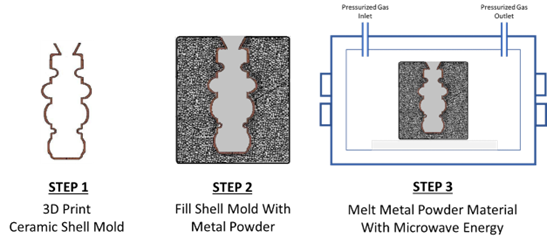 Figure 7 As a result of the successful validation of our new microwave heating process, Metallum3D in conjunction with P3 Additive is launching a Beta Customer Program. Under this program, we are looking to identify 10 customers that have applications that could benefit from implementing our Microwave Sintering or Microwave Digital Casting process. Use the link below to apply to the Beta Customer Program. Metallum3D Beta Customer Program The post Metallum3D Successfully Completes Validation Tests of New Microwave Heating Process for Additive Manufacturing appeared first on 3DPrint.com | The Voice of 3D Printing / Additive Manufacturing. |

| You are subscribed to email updates from 3DPrint.com | The Voice of 3D Printing / Additive Manufacturing. To stop receiving these emails, you may unsubscribe now. | Email delivery powered by Google |
| Google, 1600 Amphitheatre Parkway, Mountain View, CA 94043, United States | |